Nomex is a meta-aramid insulation material that combines thermal stability, electrical insulation performance, mechanical durability, and flexibility. Compared with para-aramids such as Kevlar, Nomex is generally more closely associated with electrical insulation systems, while para-aramids are often selected when mechanical strength is the primary requirement. However, Nomex is not automatically the best choice for every application. Polyimide film, mica, polyester film, and aramid-based composites can offer advantages under different electrical, thermal, mechanical, and dimensional requirements.
What Is Nomex and Why Is It Used for Electrical Insulation?
Nomex® is a DuPont™ brand of aramid material, primarily associated with meta-aramid fibers and papers. It belongs to the broader aramid family but differs structurally from para-aramid materials such as Kevlar®.
This distinction is important because “aramid” describes a broader material family, while Nomex and Kevlar represent different types of aramid materials with different performance profiles.
Nomex is widely used in electrical insulation because it can provide a combination of:
- Thermal stability
- Dielectric insulation
- Mechanical toughness
- Flexibility
- Flame resistance
- Resistance to electrical aging
- Dimensional stability
These characteristics make Nomex-based insulation suitable for applications including:
- Electric motors
- Generators
- Transformers
- Traction motors
- Power converters
- Cables and leads
However, the performance of an electrical insulation system depends on more than the fiber itself. The paper, felt, laminate, pressboard, or composite construction determines how the material performs in a particular component.
Nomex vs. Other Aramid Insulation Materials
The most useful way to compare Nomex with other aramid materials is to consider what each material is designed to do well.
| Material | Primary Strength | Typical Advantage |
|---|---|---|
| Nomex / meta-aramid | Thermal and electrical performance | Electrical insulation and heat-resistant structures |
| Para-aramid / Kevlar | Mechanical strength | High-strength reinforcement and mechanically demanding applications |
| Aramid paper | Electrical and thermal insulation | Flexible insulation structures |
| Aramid-cellulose hybrid | Performance/cost balance | Transformer and electrical insulation |
| Aramid felt | Heat resistance and mechanical protection | High-temperature industrial applications |
Nomex vs. Kevlar
Nomex and Kevlar both belong to the aramid family, but they have different molecular structures and are generally selected for different priorities.
Nomex: Meta-Aramid
Nomex is particularly well suited to applications requiring a combination of:
- Thermal stability
- Electrical insulation
- Dielectric performance
- Flexibility
- Flame resistance
This makes it a common choice for insulation systems in motors, generators, and transformers.
Kevlar: Para-Aramid
Kevlar is better known for its exceptional:
- Tensile strength
- Specific strength
- Mechanical durability
- Abrasion resistance
Therefore, engineers may select para-aramid when mechanical reinforcement is more important than the specific characteristics required from an electrical insulation paper.
This does not mean Kevlar cannot be used in electrical applications. Rather, Nomex is more directly associated with electrical insulation, while para-aramid is often selected when mechanical strength plays a dominant role.
Nomex vs. Other Electrical Insulation Materials
Nomex should also be compared with materials outside the aramid family. The appropriate choice depends heavily on the design requirements.
Nomex vs. Polyimide Film
Polyimide film is a major alternative when engineers need very thin electrical insulation with high dielectric and thermal performance.
Nomex
Nomex can provide:
- Good dielectric performance
- Mechanical toughness
- Flexibility
- Paper-like handling characteristics
- Good resistance to thermal aging
It works particularly well where the insulation must maintain its mechanical structure while being inserted, wrapped, folded, or laminated.
Polyimide Film
Polyimide film can provide:
- Very thin insulation
- High dielectric strength
- Excellent thermal performance
- Good dimensional stability
It can therefore be advantageous when space is extremely limited or insulation thickness must be minimized.
Engineers can also combine the two materials. Nomex and polyimide can be laminated together to balance mechanical properties, electrical performance, and thickness requirements.
The choice is therefore not simply Nomex versus polyimide. The better material depends on the required insulation thickness, dielectric stress, mechanical conditions, and construction.
Nomex vs. Mica
Mica is another important electrical insulation material, particularly in high-temperature and high-voltage applications.
Nomex
Nomex offers advantages such as:
- Flexibility
- Toughness
- Low weight
- Easy conversion into paper and composite structures
- Good mechanical handling characteristics
Mica
Mica is often selected when the application places greater emphasis on:
- Very high-temperature performance
- High-voltage insulation
- Dielectric strength
- Resistance to severe thermal conditions
Mica-based systems can be less flexible than Nomex-based constructions, depending on the specific product and binder system.
Therefore, Nomex is often attractive for flexible insulation structures, while mica becomes more attractive when extreme thermal and electrical insulation requirements dominate the design.
Nomex vs. Polyester Film
Polyester film can provide a cost-effective electrical insulation solution for applications that do not require the thermal performance of aramid materials.
Compared with polyester, Nomex generally becomes more attractive when the application requires greater thermal stability or resistance to thermal aging.
Polyester can remain a practical choice when:
- Operating temperatures are relatively moderate
- Cost is an important consideration
- High-temperature aramid performance is unnecessary
- The component does not experience severe thermal stress
The key principle is simple:
Do not specify Nomex simply because it is a high-performance material. Specify it when its performance characteristics solve an actual requirement in the insulation system.
Which Material Is Best for Different Electrical Applications?
There is no single insulation material that is best for every electrical component.
Electric Motors and Generators
Motor and generator insulation systems may require a combination of:
- Thermal resistance
- Dielectric strength
- Mechanical flexibility
- Resistance to vibration
- Resistance to electrical aging
Nomex-based insulation can be particularly useful for slot liners, phase insulation, barriers, and other flexible insulation structures.
Transformers
Transformers place significant demands on electrical insulation because the system must manage both electrical and thermal stresses.
Nomex-based papers and pressboards can be used in transformer insulation systems, while hybrid constructions can combine aramid materials with cellulose or other insulation materials.
The appropriate construction depends on:
- Transformer type
- Voltage level
- Thermal requirements
- Insulation geometry
- Cooling system
- Required service life
Power Converters
Power electronics can create demanding thermal environments while also placing strict limits on component dimensions.
In these applications, engineers may compare Nomex with polyimide film or composite insulation according to:
- Temperature
- Dielectric requirements
- Available space
- Mechanical requirements
What Factors Should Engineers Consider?
Material selection should begin with the application rather than the material name.
1. Operating Temperature
Determine both the normal and maximum temperatures.
A material that performs well at a moderate continuous temperature may not be suitable for repeated exposure to higher temperatures.
2. Dielectric Performance
Consider:
- Dielectric strength
- Dielectric loss
- Electrical aging
- Partial discharge
- Required insulation thickness
These factors become increasingly important as voltage and electrical stress increase.
3. Mechanical Strength
The insulation may experience:
- Vibration
- Compression
- Tension
- Bending
- Abrasion
- Repeated movement
If mechanical loading is significant, para-aramid reinforcement or a composite construction may be more appropriate.
4. Thickness and Space
Some electrical systems have extremely limited space.
In these situations, thin polyimide film or a thin composite may provide advantages over a thicker paper-based insulation system.
5. Flexibility
Flexible insulation is important when the material must be:
- Wrapped
- Folded
- Inserted into narrow spaces
- Laminated
- Formed around components
Nomex-based paper and composite constructions can provide useful flexibility without sacrificing the mechanical stability required for handling.
6. Moisture and Chemical Exposure
The operating environment also matters.
Engineers should evaluate exposure to:
- Moisture
- Cooling fluids
- Oils
- Solvents
- Cleaning chemicals
The insulation system should be selected according to the actual environment rather than laboratory properties alone.
Can Nomex Be Combined With Other Insulation Materials?
Yes. Composite insulation can combine the strengths of different materials rather than forcing one material to perform every function.
For example, manufacturers can combine Nomex with:
- Polyimide film
- Mica
- Cellulose
- Other aramid materials
- Adhesive or resin systems
A composite construction can provide a combination of:
Electrical performance + thermal resistance + mechanical strength + flexibility.
This approach is particularly useful when one material cannot simultaneously meet all the requirements of the application.
For example, a Nomex/polyimide laminate can combine the mechanical and handling characteristics of aramid paper with the thin-film dielectric performance of polyimide.
Is Nomex Always the Best Aramid for Electrical Insulation?
No.
Nomex is particularly well suited to applications that require a balance of electrical insulation, thermal stability, flexibility, and mechanical durability.
However, another aramid or composite may be preferable when the application places greater emphasis on:
- Mechanical reinforcement
- Tensile strength
- Abrasion resistance
- Specific thickness
- Cost
- Composite construction requirements
This is why engineers should compare material properties and finished insulation constructions, rather than simply comparing brand names.
How to Choose the Right Insulation Material
A practical selection process should follow these steps:
Step 1: Define the thermal requirements
Identify continuous and peak temperatures.
Step 2: Define the electrical requirements
Determine voltage, dielectric stress, insulation thickness, and electrical aging requirements.
Step 3: Define the mechanical requirements
Consider vibration, compression, bending, abrasion, and installation forces.
Step 4: Consider the available space
Determine whether the insulation must fit within a very limited thickness or geometry.
Step 5: Evaluate the complete construction
Do not evaluate only the fiber. Consider whether the final product is:
- Paper
- Felt
- Film
- Pressboard
- Laminate
- Composite
Step 6: Compare total performance
The most suitable material is the one that satisfies the actual combination of thermal, electrical, mechanical, dimensional, and environmental requirements.
Nomex Beyond Electrical Insulation
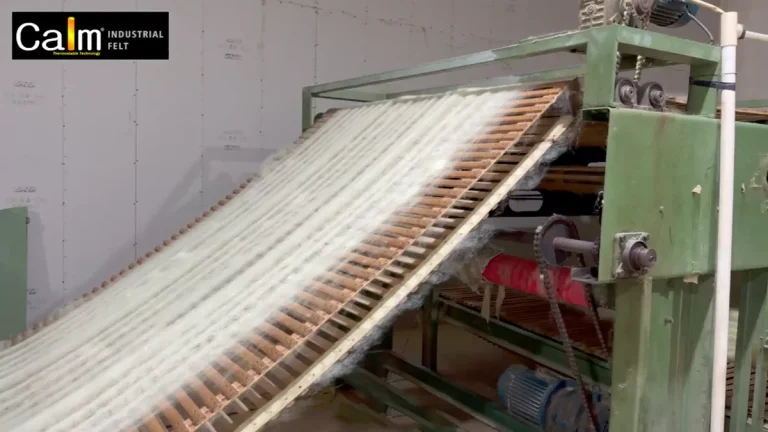
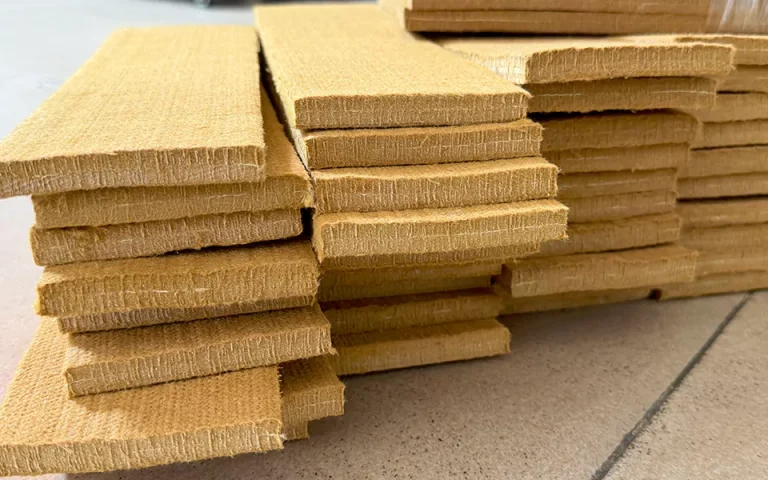
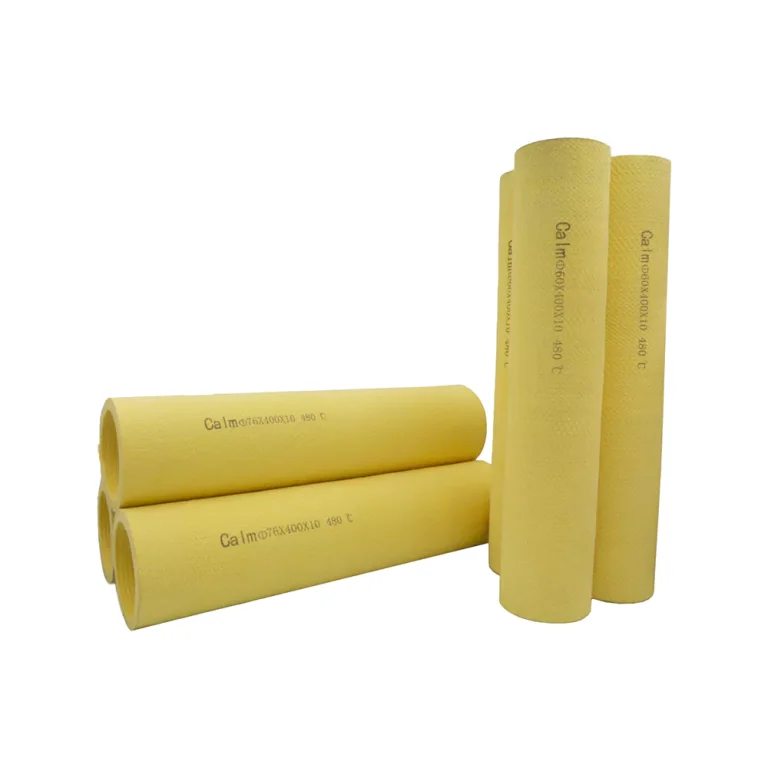
Nomex is not limited to electrical insulation. Its heat-resistant aramid fiber can also be processed into other industrial forms, including felt.
In these applications, engineers may use Nomex felt where they need a combination of:
- Heat resistance
- Abrasion resistance
- Surface protection
- Mechanical durability
Industrial felt manufacturers can also combine Nomex with other high-temperature fibers according to the operating environment.
For example, CALM manufactures industrial felt components using Nomex, Kevlar, PBO, and polyester for applications including high-temperature aluminum extrusion handling. In this context, Nomex is selected not for its dielectric properties, but for the thermal and mechanical performance required by the industrial process.
This distinction is important: the same fiber can serve very different engineering purposes depending on how it is processed and where it is used.
FAQs
No. Both belong to the aramid family, but Nomex is primarily associated with meta-aramid materials, while Kevlar is a para-aramid. Their different structures give them different performance characteristics.
Yes. Nomex is widely used in electrical insulation systems because it combines thermal stability, dielectric performance, mechanical toughness, and flexibility.
Neither is universally better. Nomex is generally more closely associated with electrical insulation, while Kevlar and other para-aramids are particularly valued for mechanical strength and reinforcement.
Not universally. Polyimide film can be advantageous when very thin, high-performance electrical insulation is required, while Nomex can offer advantages in mechanical handling, flexibility, and paper-based insulation constructions.
Aramid is the broader material family. Nomex is a specific commercial aramid material primarily associated with meta-aramid fiber and paper products.
Yes. Nomex-based insulation products are used in transformer insulation systems, including applications requiring thermal stability and dielectric performance.
Conclusion
Nomex is one of the most versatile aramid options for electrical insulation, but it is not automatically the best material for every application. Its main advantage lies in the balance it provides between thermal stability, dielectric performance, mechanical toughness, and flexibility.
Para-aramids such as Kevlar may be more suitable when mechanical strength is the priority, while polyimide, mica, polyester, or composite constructions can provide advantages under different electrical, thermal, dimensional, and cost requirements.
The best approach is therefore to select the insulation construction that matches the complete operating environment, rather than choosing a material based on its name alone.
Looking for high-temperature Nomex felt solutions for industrial applications? Contact CALM at [email protected] to discuss the right material, construction, and dimensions for your requirements.