
Where to Buy High-Quality Nomex Felt Pads for Industrial Applications?
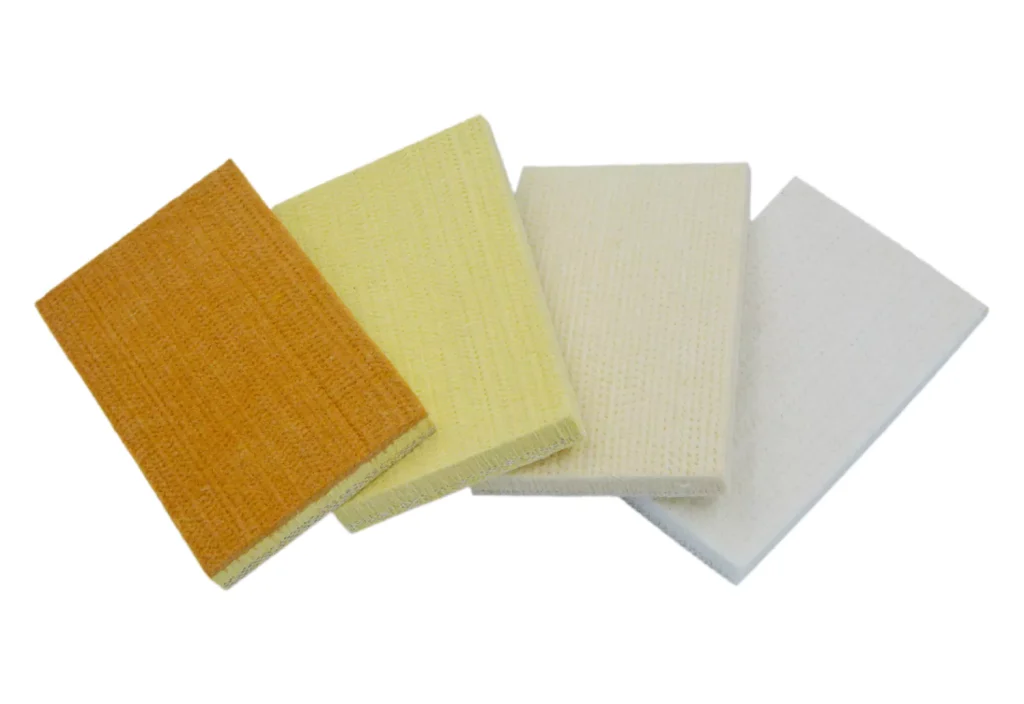
You can buy high-quality Nomex felt pads for industrial applications directly from specialized industrial felt manufacturers, industrial distributors, or established industrial marketplaces. For demanding applications, buying directly from a manufacturer is often preferable because you can specify the material, density, thickness, dimensions, and operating conditions and receive application-specific recommendations. However, the supplier is only part […]
Is Kevlar Fireproof? Understanding Kevlar’s Fire and Heat Resistance
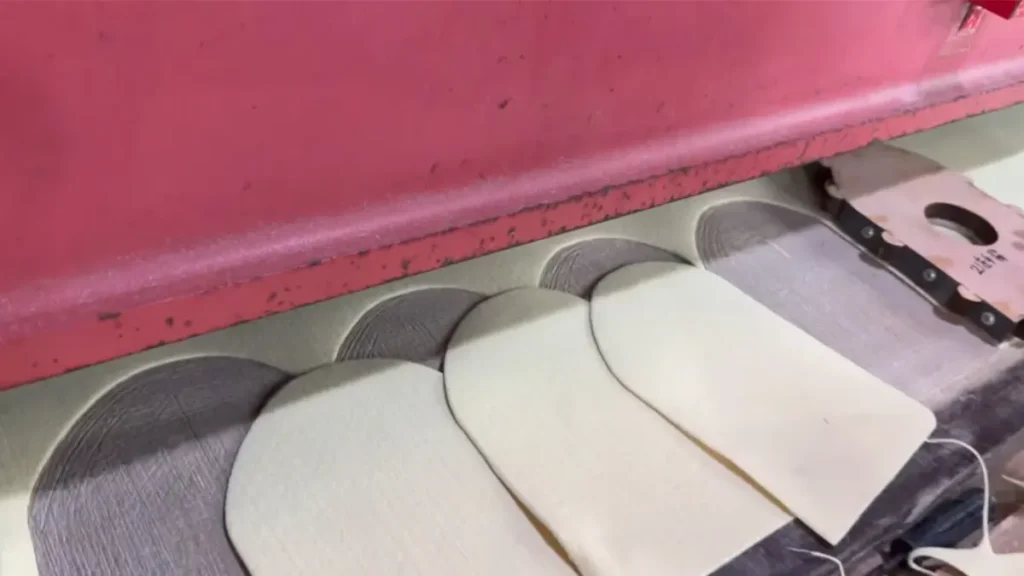
No, Kevlar is not completely fireproof. A more accurate description is that Kevlar® is an inherently flame-resistant and heat-resistant para-aramid fiber. It does not melt like conventional thermoplastic fibers, but sufficiently severe or prolonged heat exposure can cause the fiber to decompose and lose its properties. DuPont reports a decomposition temperature of approximately 427–482°C (800–900°F) for Kevlar® 29 and Kevlar® 49 in air, while its recommended maximum temperature range for long-term use in air is much lower, at 149–177°C (300–350°F).
Polyester Fiber: Properties, Types, Manufacturing Process and Uses
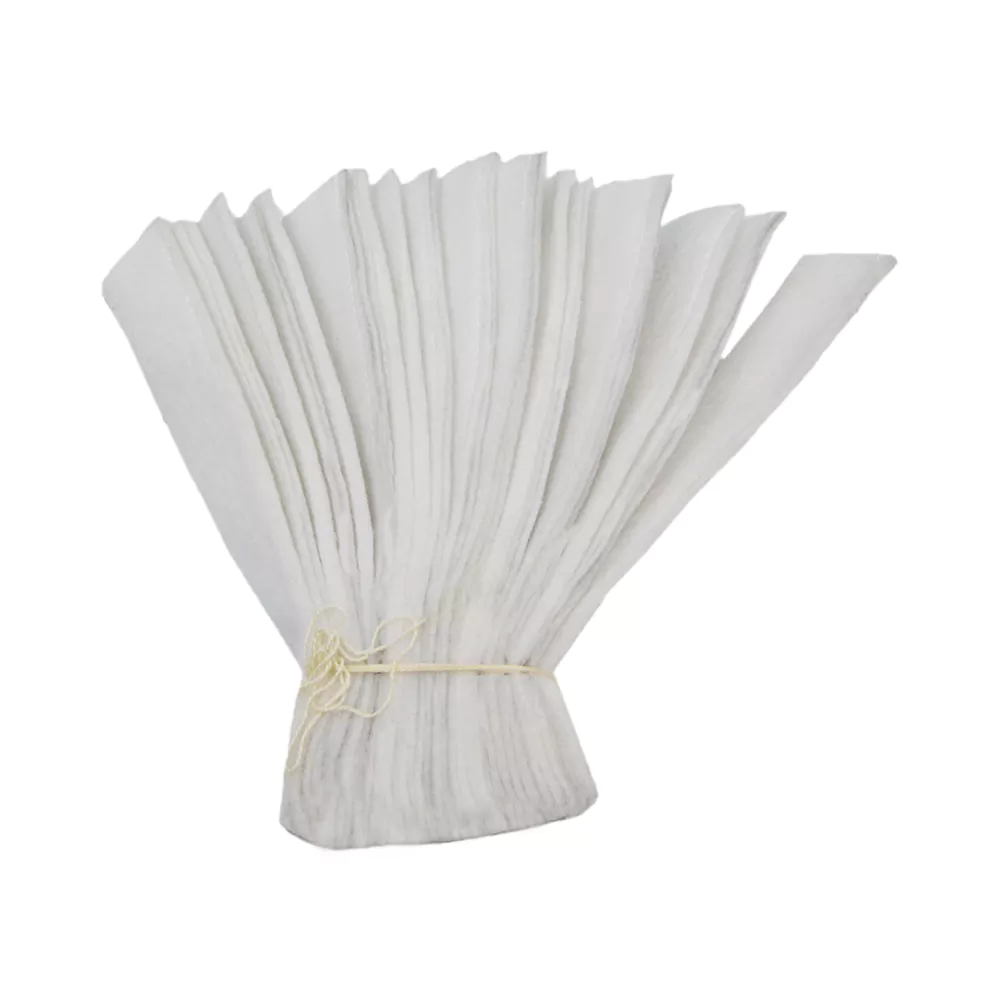
Polyester fiber is a synthetic fiber made primarily from polyester polymers, with polyethylene terephthalate (PET) being the most widely used polymer for fiber production. Manufacturers value polyester fiber for its strength, abrasion resistance, dimensional stability, low moisture absorption, and processing versatility. These properties make it useful not only for clothing and home textiles but also for industrial fabrics, reinforcement materials, ropes, conveyor components, and other technical applications.
Kevlar®: The Complete Guide to Properties, Types, Manufacturing and Uses
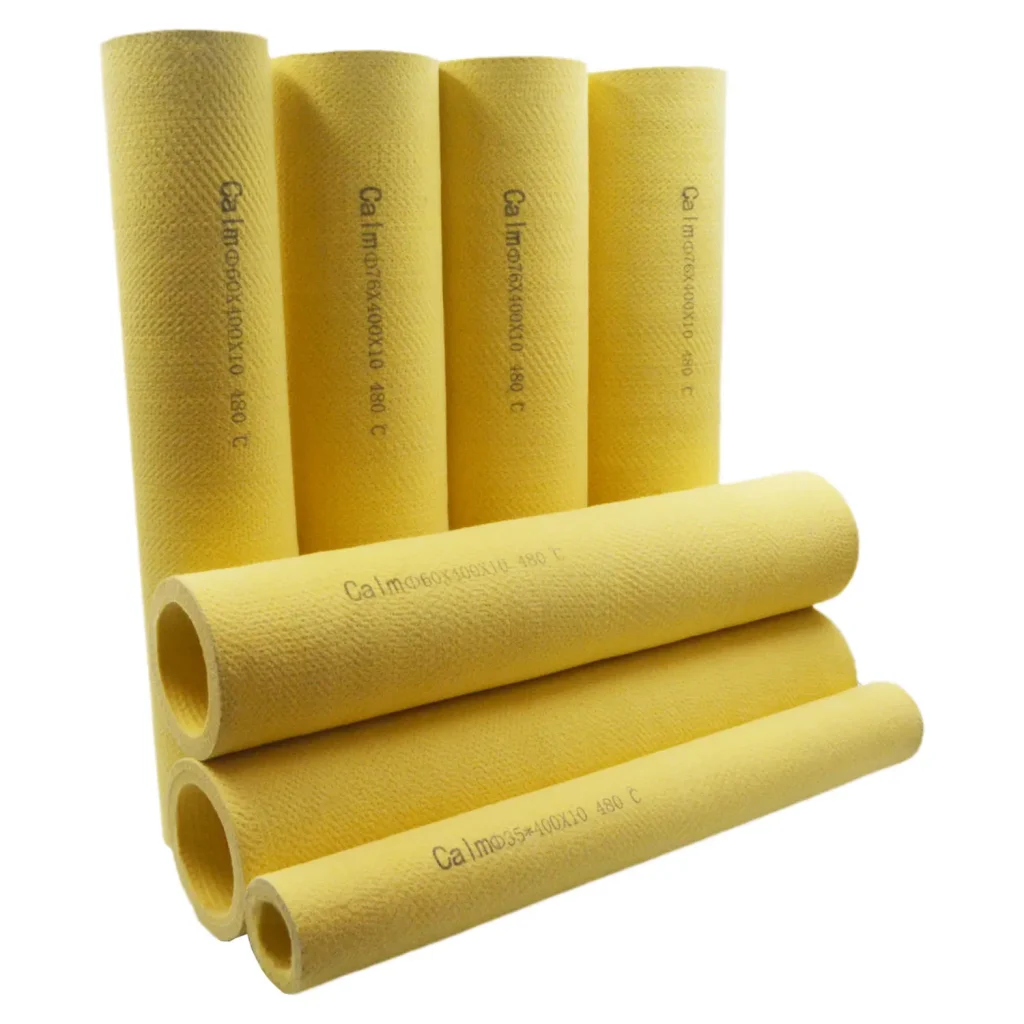
Kevlar® is a synthetic para-aramid fiber known for its high strength-to-weight ratio, thermal stability, abrasion resistance, and mechanical durability. Unlike natural fibers, Kevlar® is produced from synthetic aromatic polyamide polymers. Its combination of low weight and high mechanical performance makes it useful in protective equipment, industrial textiles, ropes and cables, composites, automotive components, aerospace applications, and many other demanding environments.
Kevlar® vs Nomex®: Key Differences in Strength, Heat and Flame Resistance
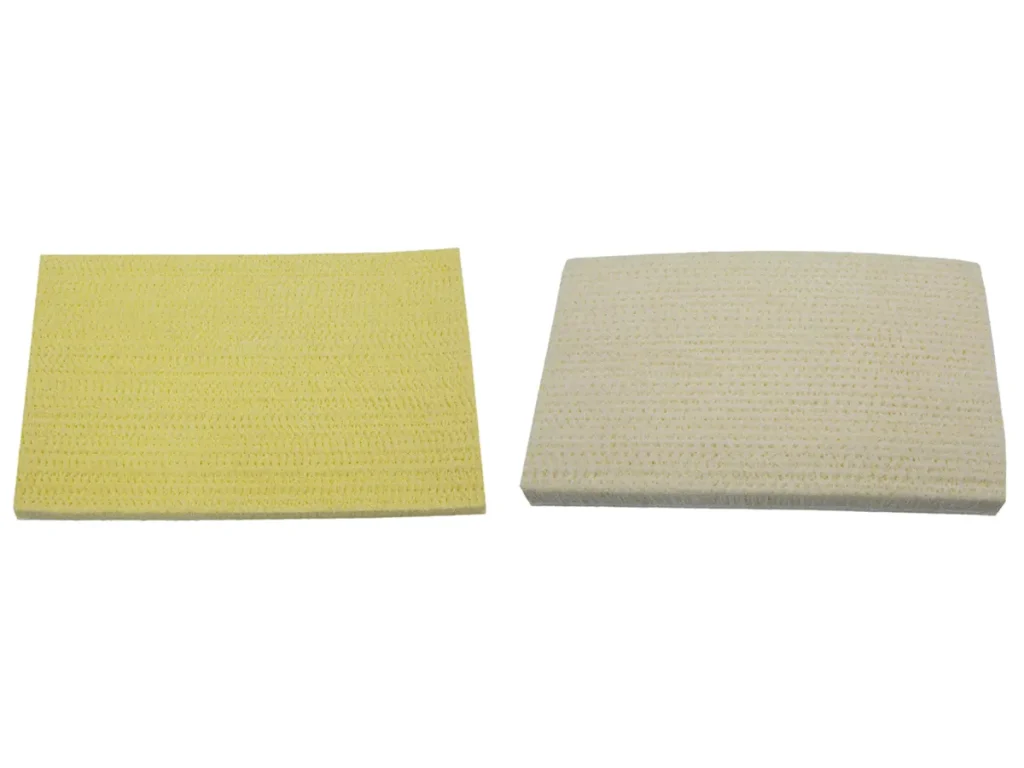
Kevlar® and Nomex® are both aramid fibers, but they belong to different aramid classes and provide different balances of mechanical strength, thermal stability, and flame resistance.
What Materials Are Used in Professional Heat Protection Handwear?
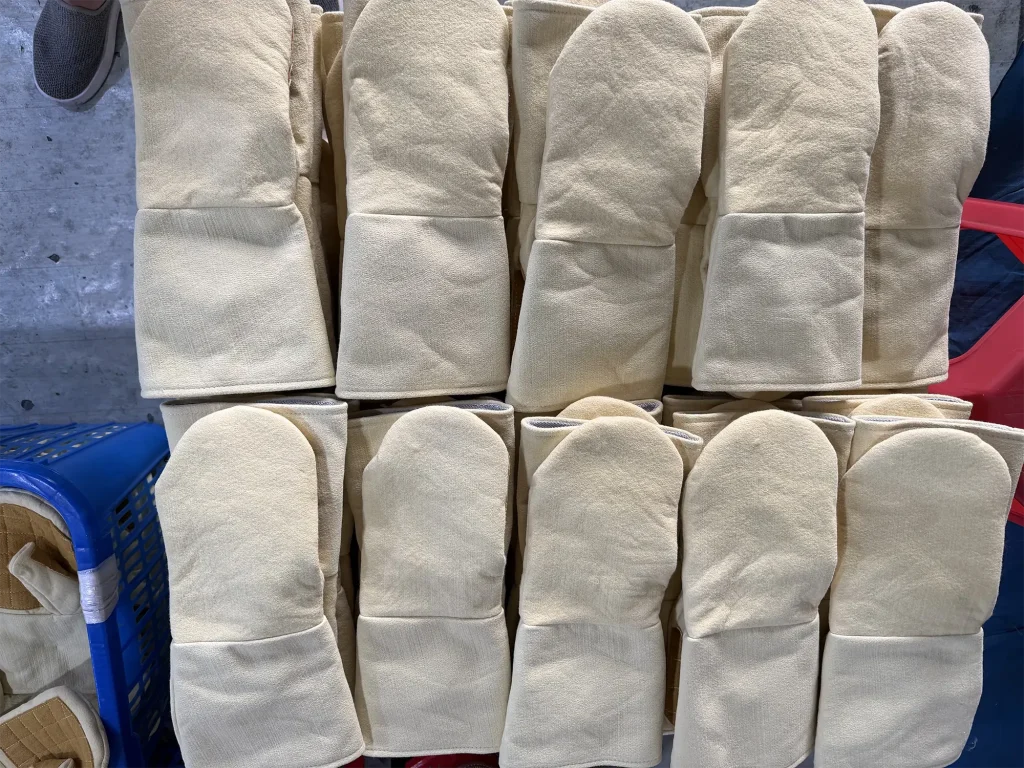
Professional heat protection handwear can use different materials depending on the heat source, exposure level, mechanical hazards, and required flexibility. Common materials include leather, aramid fibers such as Kevlar and Nomex, aluminized fabrics, and advanced high-temperature fibers such as PBO.
Nomex Felt: Properties, Applications, and Industrial Uses
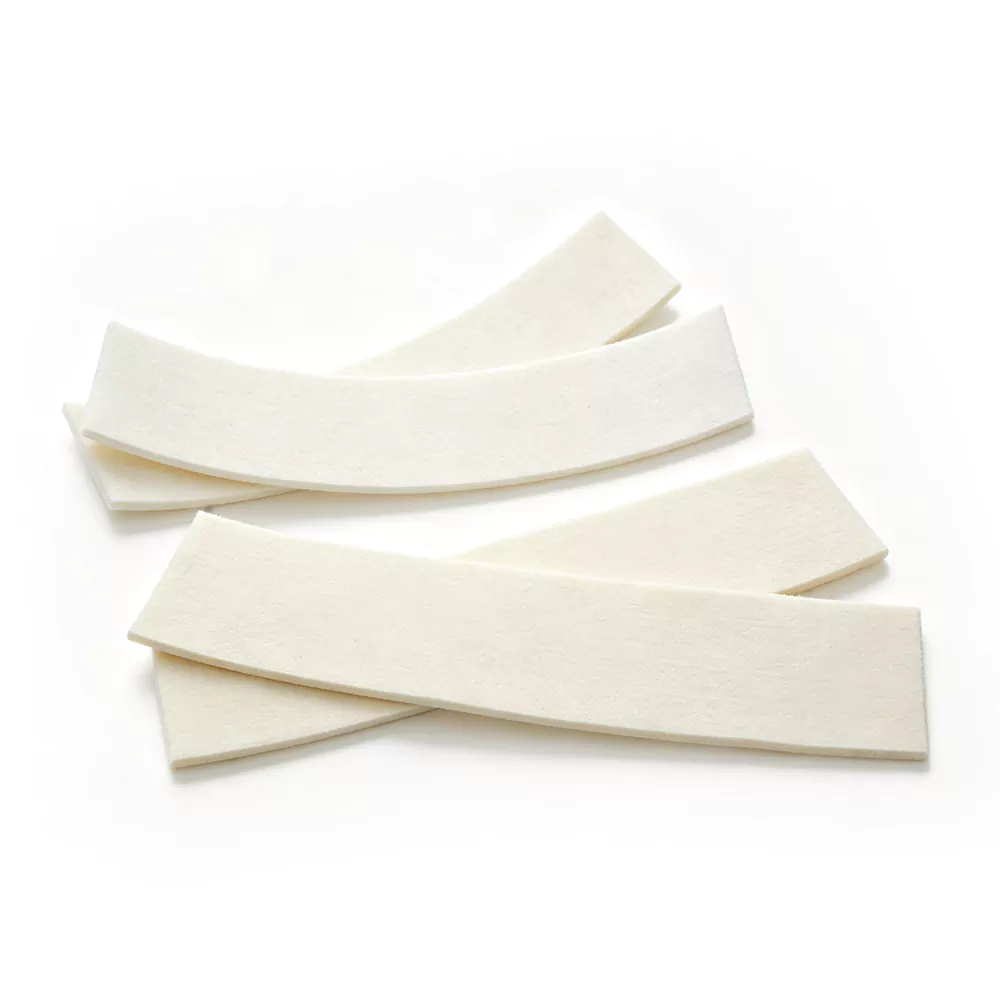
Nomex felt is a high-performance industrial felt made from Nomex® aramid fibers, known for its inherent flame resistance, thermal stability, and durability in demanding environments. Unlike conventional felt materials, Nomex felt maintains reliable performance when exposed to heat, friction, and continuous industrial operation, making it widely used in applications such as thermal protection, industrial insulation, metal processing, and high-temperature handling systems.
Kevlar Felt: Properties, Applications, and Industrial Uses
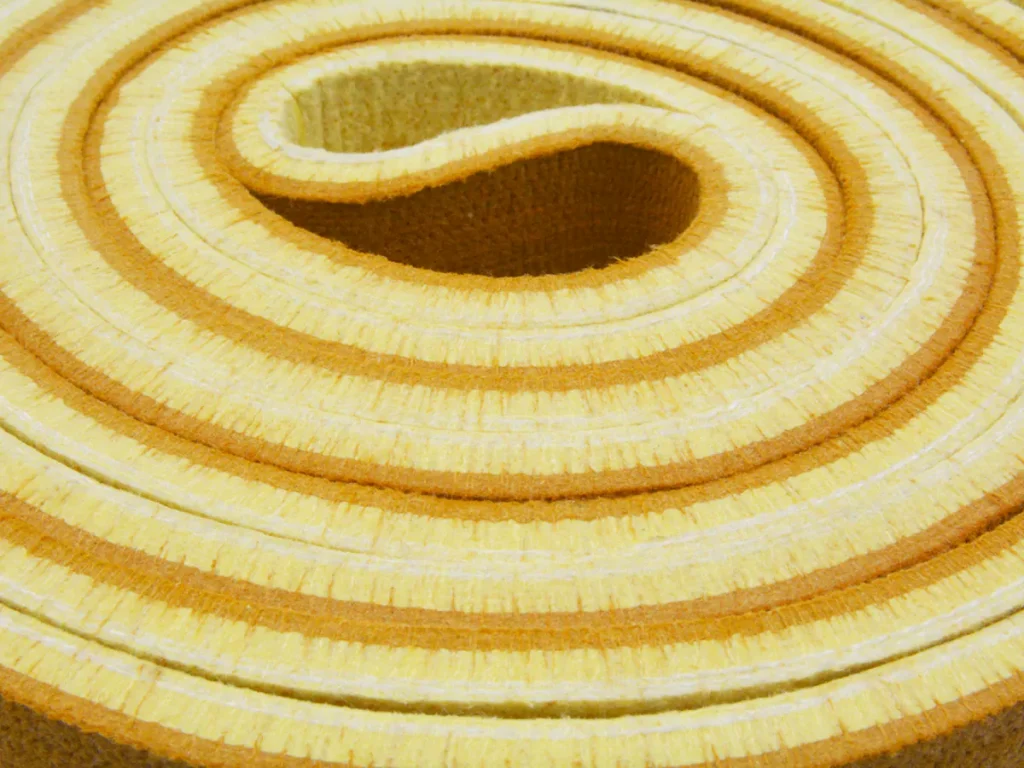
Kevlar felt is a high-performance industrial felt material made from para-aramid fibers, offering excellent heat resistance, high strength, abrasion resistance, and dimensional stability. It is widely used in demanding applications where conventional felt materials cannot withstand continuous mechanical stress or elevated temperatures.
PBO Fiber: Properties, Applications, and Industrial Uses
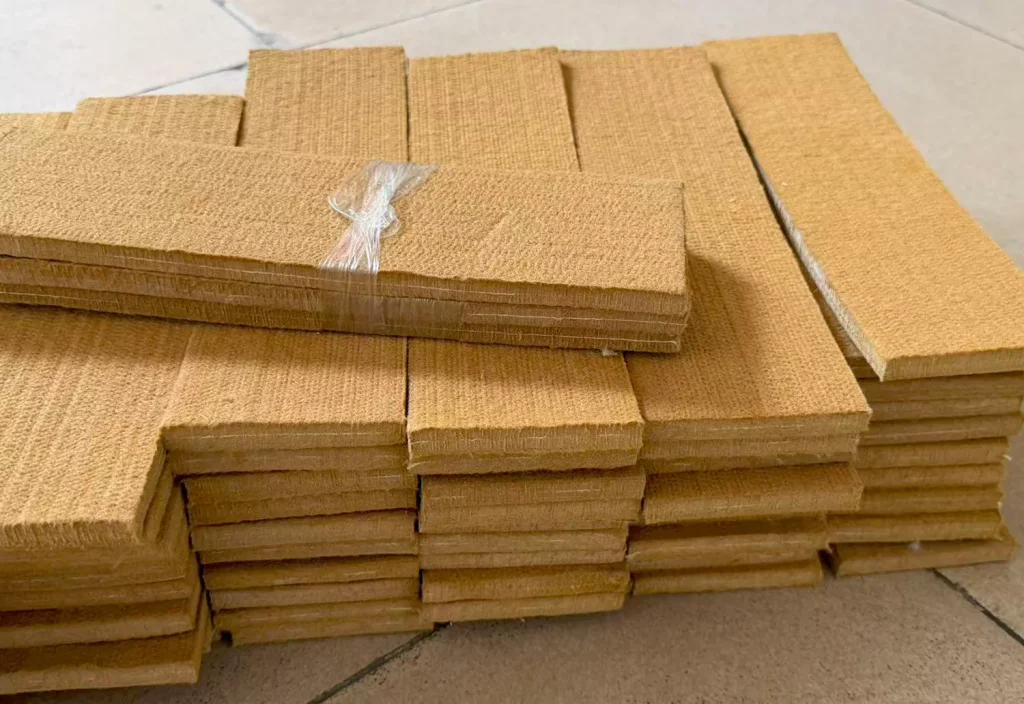
PBO fiber (Poly-p-phenylene benzobisoxazole fiber) is a high-performance synthetic fiber known for its exceptional strength, high modulus, flame resistance, and outstanding thermal stability. Originally developed for extreme-performance applications, PBO fiber can maintain its mechanical properties under temperatures far beyond the capabilities of many conventional fibers.
Industrial Felt Materials: Types, Properties, Applications, and Selection Guide
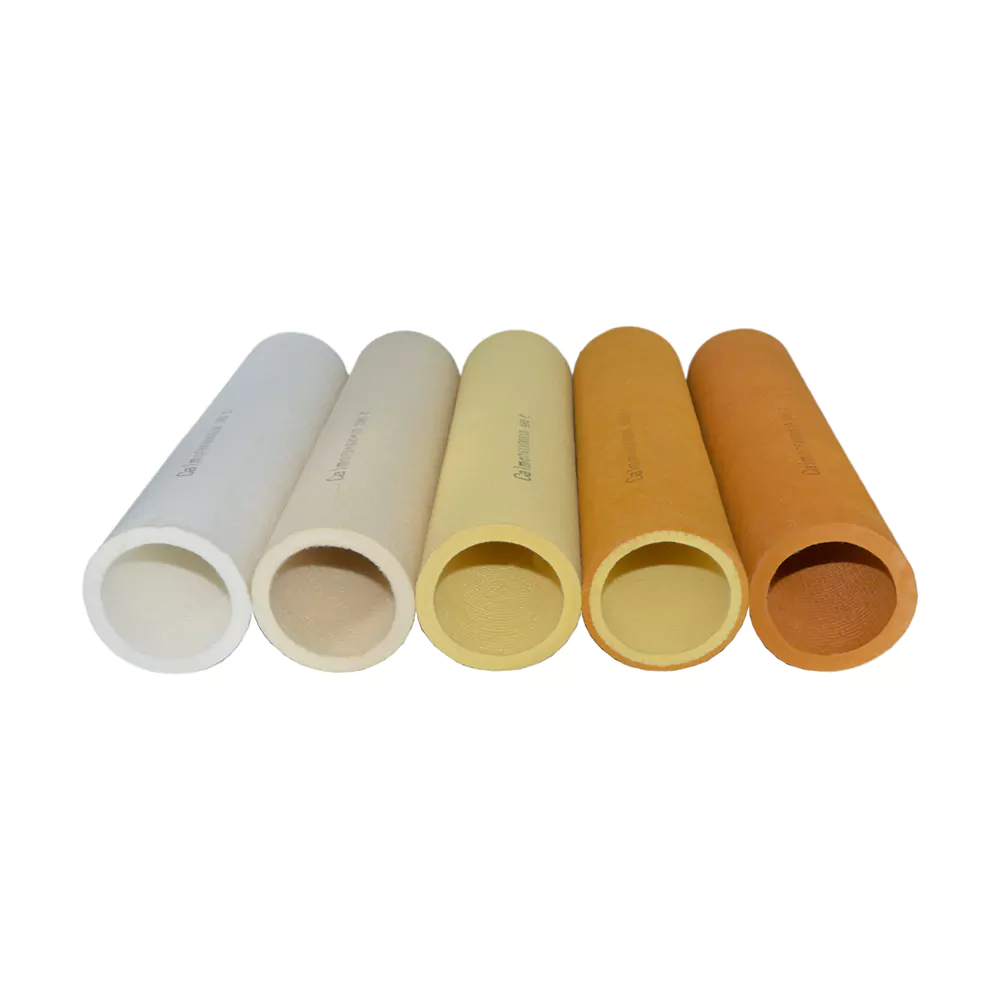
Industrial felt materials are engineered textile materials designed for applications requiring cushioning, insulation, filtration, sealing, polishing, heat resistance, and surface protection. Unlike decorative felt products, industrial felts are manufactured with specific fiber types, densities, and structures to meet demanding mechanical and thermal requirements.