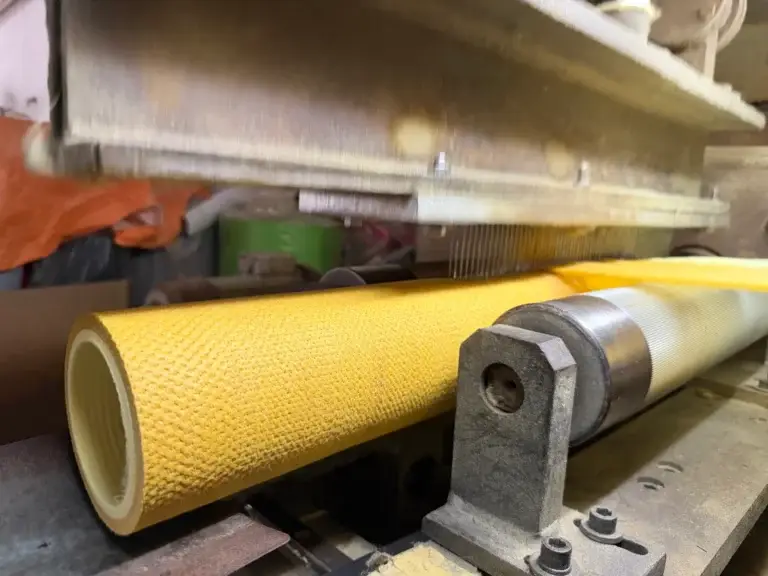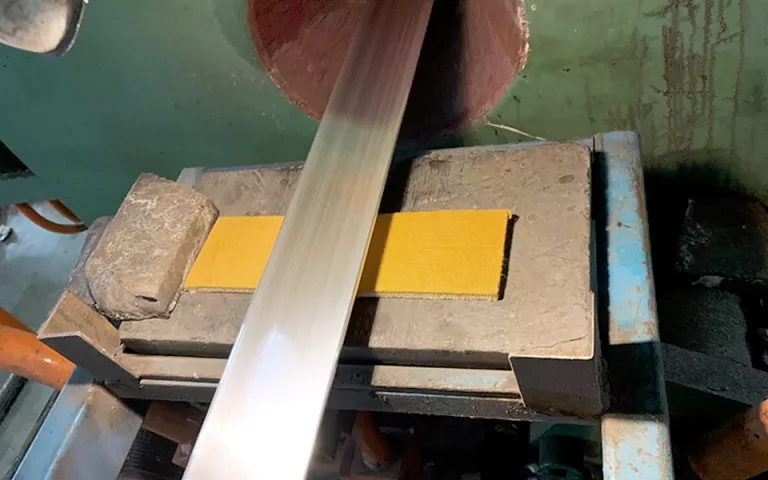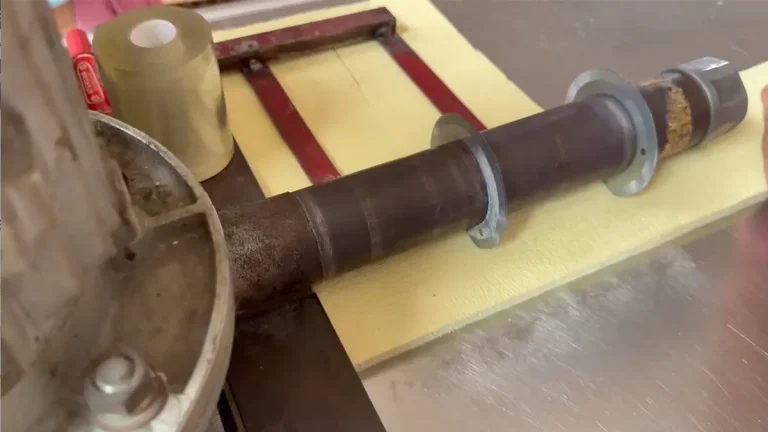
Felt gaskets can withstand elevated temperatures in certain industrial applications, but their ability to handle high pressure depends on the material, construction, compression behavior, and sealing requirements. Heat resistance alone does not make a felt gasket suitable for high-pressure fluid sealing. The correct choice depends on the operating temperature, pressure, contact medium, and whether the gasket needs to prevent leakage or provide cushioning, insulation, or dust protection.
1. What Are Felt Gaskets Made Of?
Felt gaskets are sealing or contact components manufactured from industrial felt. Depending on the design, they may be made from needle-punched felt, compressed felt, or other engineered fibrous materials.
Their compressibility and flexibility can help accommodate small surface irregularities and provide cushioning between contacting components. Depending on the application, felt components may also help reduce vibration, limit dust ingress, or provide thermal insulation.
Industrial felt is available in different fiber types, including polyester, Nomex®, Kevlar®, and PBO. Each has distinct thermal and mechanical properties, so the appropriate material depends on the intended operating conditions.
However, felt gaskets differ from conventional fluid-sealing gaskets. Many felt structures contain interconnected pores that can allow liquids or gases to pass through. Compression may reduce these pathways, but it does not automatically produce a gas-tight or liquid-tight seal.
For this reason, a felt gasket designed for cushioning or dust protection should not be assumed suitable for sealing pressurized liquids, gases, or steam.
2. Can Felt Gaskets Withstand High Temperatures?
Yes. Certain industrial felt materials can operate in elevated-temperature environments, provided the specific product is designed and validated for those conditions.
Temperature resistance depends on more than the fiber’s inherent properties. Fiber composition, density, thickness, binders, surface treatments, exposure duration, and mechanical loading all influence the performance of the finished gasket.
Polyester Felt
Polyester felt is commonly used in general industrial applications where its temperature capabilities meet the requirements. It may be suitable for cushioning, surface protection, and other applications at relatively moderate temperatures.
It should not be selected for high-temperature service without checking the specific grade’s thermal limitations and long-term stability.
Nomex® Felt
Nomex® is a meta-aramid material known for its inherent flame resistance and thermal stability. It may be considered for selected industrial applications involving elevated temperatures.
Its suitability depends on the finished felt construction and the exposure conditions. Nomex® used in one type of industrial component does not necessarily have the same operating limits as Nomex® used in a gasket.
Kevlar® Felt
Kevlar® is a para-aramid material known for its tensile strength and toughness. Depending on the construction, Kevlar® felt may be considered for industrial applications that combine heat exposure with mechanical contact or wear.
However, its mechanical advantages do not establish a universal temperature rating. The specific product must be evaluated under the intended thermal and mechanical conditions.
PBO Felt
PBO is a high-performance fiber used in selected industrial components exposed to extreme temperatures. Certain PBO felt products are designed for demanding high-temperature contact applications.
Nevertheless, a temperature rating published for a PBO roller sleeve, belt, or other industrial component cannot automatically be applied to a PBO felt gasket. Product construction, contact time, pressure, and the surrounding environment may differ significantly.
Why Fiber Temperature Ratings Are Not Enough
A fiber’s thermal performance does not establish the maximum operating temperature of every finished felt product.
Several factors must be considered:
- Continuous versus intermittent exposure: A material may tolerate brief temperature peaks but deteriorate under prolonged exposure.
- Compression under heat: Sustained loading can change thickness, density, and recovery behavior.
- Chemical compatibility: Moisture, oils, solvents, and corrosive substances may affect the fibers or other components.
- Thermal aging: Repeated heating and cooling can change mechanical properties over time.
- Product construction: Binders, coatings, and blended fibers may have different temperature limitations from the main fiber.
The correct approach is to obtain specifications for the exact felt gasket and verify its performance under representative operating conditions.
3. Can Felt Gaskets Handle High Pressure?
Felt gaskets should not be assumed suitable for high-pressure sealing unless the specific product has been designed and tested for that purpose.
Pressure can affect felt gaskets in several ways.
Compression and Permanent Deformation
Felt is a fibrous material that can compress under load. This property can help a component conform to a contact surface, but excessive compression may cause permanent thickness loss.
If the gasket cannot retain sufficient recovery or contact pressure, gaps may develop between the gasket and the mating surfaces. These gaps can create leakage paths.
Leakage Through the Felt Structure
Many industrial felts are porous. Depending on pore structure, density, fluid properties, and compression, a pressurized liquid or gas may pass through the material even when the gasket is tightly installed.
A felt gasket intended for dust exclusion or mechanical contact may therefore be unsuitable for applications requiring a defined leakage rate.
Where gas-tight or liquid-tight performance is essential, the complete sealing arrangement must be evaluated, including the gasket material, surface finish, installation conditions, and applied sealing force.
Extrusion and Displacement
Under pressure, a relatively soft gasket may move or extrude into available gaps, particularly if the joint design does not adequately support the material.
The risk depends on the pressure differential, gap dimensions, material properties, compression, and the geometry of the sealing interface.
Loss of Sealing Force
Temperature cycling, material relaxation, and permanent compression can reduce the force holding the gasket against the mating surfaces. This may compromise sealing performance even if the material has not visibly broken down.
High-pressure service therefore requires a validated sealing design rather than a material selection based solely on hardness, density, or heat resistance.
4. What Happens When High Temperature and High Pressure Occur Together?
High-temperature, high-pressure applications require particular care because temperature and pressure can interact.
Elevated temperatures may accelerate material aging or reduce the mechanical properties of some gasket materials. At the same time, pressure increases the demands placed on the sealing interface.
For a felt gasket, the combined effects may include:
- Increased permanent compression or loss of recovery.
- Changes in thickness and contact pressure.
- Degradation of fibers, binders, or surface treatments.
- Leakage through pores or gaps at the mating surfaces.
- Displacement or extrusion under pressure.
These risks depend on the specific material and joint design. There is no universal pressure limit that applies to all felt gaskets.
It is also important not to assume that a product can withstand its separately stated maximum temperature and maximum pressure simultaneously. The combined operating conditions must be validated.
For critical equipment, such as pressurized steam systems or connections containing hazardous fluids, use a gasket specifically engineered and qualified for the application. Do not substitute ordinary industrial felt based on its heat resistance alone.
5. Where Are Felt Gaskets Suitable for Industrial Use?
Felt gaskets may be useful in applications where their compressibility, cushioning, insulation, or contact properties meet the actual requirements.
Low-Pressure Mechanical Enclosures
Felt components can be considered for selected covers, housings, and mechanical assemblies where dust exclusion or light-duty sealing is required.
The design must account for whether the application needs only a physical barrier or a defined level of fluid sealing.
Dust Protection and Cushioning
In suitable assemblies, felt can provide a compliant interface that helps limit dust ingress, absorb vibration, or protect adjacent surfaces.
These functions do not necessarily require the same sealing performance as a pressurized fluid connection, making them more suitable candidates for conventional industrial felt.
Thermal Insulation and High-Temperature Contact
Certain high-temperature felts can be used as insulating, cushioning, or contact components near heated equipment.
Material selection should consider both temperature and mechanical loading. A felt component that performs well in an unloaded insulating application may behave differently when continuously compressed between two surfaces.
High-Pressure Fluid Connections
Ordinary felt gaskets are generally not the default choice for high-pressure liquid, gas, or steam connections.
Such applications require verified pressure capability, acceptable leakage performance, chemical compatibility, and a suitable joint design. A dedicated sealing material may be more appropriate.
6. Felt Gaskets vs. Other Gasket Materials
Different gasket materials are designed to meet different sealing requirements. Felt should be compared with alternatives based on the intended application rather than temperature resistance alone.
| Material | Main characteristics | Important considerations |
|---|---|---|
| Industrial felt | Compressible, flexible, and available in specialized fiber types | Porosity, compression recovery, and verified sealing performance |
| Rubber | Elastic and capable of conforming to mating surfaces | Temperature limits, chemical compatibility, and pressure capability depend on the elastomer |
| PTFE | Broad chemical compatibility and low friction | Creep, cold flow, and suitability for the specific pressure-temperature conditions |
| Flexible graphite | Used in many high-temperature sealing applications | Oxidizing environments, joint design, and grade-specific limitations |
| Spiral-wound gasket | Combines metal windings with a filler material | Requires suitable flange geometry, installation, and application-specific ratings |
| Metal ring gasket | Designed for specific metal-to-metal sealing arrangements | Requires compatible flange design, surface condition, and installation control |
These are general material categories, not universal performance rankings. The appropriate option depends on the fluid or gas being sealed, operating conditions, equipment design, and applicable engineering standards.
For example, a felt gasket may be suitable for cushioning or dust protection, while a qualified spiral-wound or metal ring gasket may be more appropriate for a particular high-pressure flange connection.
7. How to Choose the Right Felt Gasket
A reliable selection process starts with the actual operating conditions and the required function.
Step 1: Define the Temperature Profile
Record the normal operating temperature, maximum temperature, exposure duration, and frequency of heating and cooling cycles.
Do not rely exclusively on the theoretical temperature resistance of the fiber. Confirm the limits of the finished felt product.
Step 2: Establish the Pressure and Sealing Requirements
Determine the operating pressure and identify whether the component must resist external compression, prevent dust ingress, or provide liquid-tight or gas-tight sealing.
These requirements are different and may call for different materials or designs.
Step 3: Check Media Compatibility
Identify any liquids, gases, oils, solvents, cleaning agents, or corrosive substances that may contact the gasket.
The fibers, binders, coatings, and other components must remain suitable for the intended environment.
Step 4: Confirm Dimensions and Compression Behavior
Specify the inner and outer diameters, thickness, installation gap, and contact surface conditions.
Where compression is important, evaluate compression load, thickness change, recovery, and long-term stress retention. These properties can influence whether the gasket maintains adequate contact during operation.
Step 5: Verify Technical Data and Testing
Request the technical data sheet and any relevant test reports for the exact product.
Depending on the application, verification may need to cover thermal aging, compression behavior, chemical compatibility, leakage rate, or pressure capability.
For critical equipment, test the complete sealing arrangement under representative operating conditions before approving the material for service.
FAQs
Are felt gaskets heat resistant?
Some felt gaskets are suitable for elevated-temperature applications, depending on their fiber composition and construction. The temperature limit of the finished gasket must be verified rather than inferred from the fiber name alone.
Can felt gaskets seal high-pressure liquids or gases?
Ordinary felt gaskets should not be assumed suitable for high-pressure fluid sealing. Porosity, compression behavior, and the sealing interface can affect leakage. Use a product with verified pressure and leakage performance for the intended application.
Which felt material is best for high-temperature applications?
There is no single best material for every application. PBO, Kevlar®, Nomex®, and other fibers have different properties, and the right choice depends on operating temperature, exposure time, mechanical loading, and product construction.
Do felt gaskets lose thickness under compression?
They can. The amount of compression and permanent thickness loss depends on the fiber structure, density, applied load, temperature, and duration. Compression and recovery data are important when the gasket must maintain consistent contact pressure.
When should a felt gasket be replaced with another sealing material?
Consider an alternative when the application requires a defined high-pressure rating, very low leakage, compatibility with aggressive media, or long-term sealing performance that the felt product cannot demonstrate. A qualified gasket material should be selected for the complete operating conditions.
Conclusion
Felt gaskets can be suitable for certain high-temperature industrial applications, particularly when cushioning, insulation, dust protection, or light-duty sealing is required. However, high-pressure fluid sealing demands additional verification of pressure capability, compression behavior, and leakage performance.
The most reliable choice is a material and gasket design validated for the actual temperature, pressure, medium, and service conditions—not simply one made from a heat-resistant fiber.
Have questions about high-temperature felt for your application? Contact CALM at [email protected] to discuss your operating conditions and material requirements.