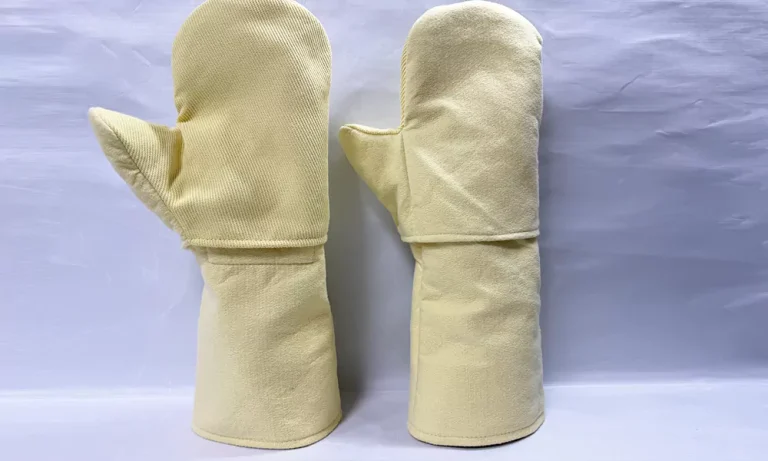
Welding requires heat resistant gloves that can protect against high temperatures, sparks, molten metal, and mechanical hazards. The most suitable gloves depend on the welding method, heat exposure level, and required balance between protection and flexibility. Leather, Kevlar, and advanced heat-resistant fibers such as PBO are commonly used materials, each offering different advantages for specific welding environments.
Choosing the right material is more important than simply selecting the thickest glove or the highest temperature rating. A suitable welding glove should match the actual working conditions to provide reliable protection without reducing productivity.
What Protection Do Welding Gloves Need?
Welding environments expose workers to multiple hazards. Unlike ordinary heat protection gloves, welding gloves need to handle a combination of thermal, mechanical, and operational challenges.
Heat and Contact Temperature Protection
During welding operations, workers may come into contact with:
- Heated metal components
- Hot welding tools
- Molten metal particles
- High-temperature surfaces
A suitable welding glove must slow down heat transfer and provide enough protection for the expected exposure time.
However, heat resistance is not determined only by the maximum temperature a material can withstand. Factors such as glove thickness, material structure, contact duration, and heat source type all influence actual performance.
Flame and Spark Resistance
Welding processes generate sparks, flames, and hot particles that can damage unsuitable gloves.
Materials used for welding protection should provide:
- Flame resistance
- Low flammability
- Thermal stability
- Resistance to burning or melting
For applications involving frequent exposure to flames or sparks, manufacturers often use flame-resistant fibers such as Kevlar because these materials help maintain protection under high-temperature conditions.
Mechanical Protection and Durability
Heat is not the only concern during welding. Workers may also face:
- Sharp metal edges
- Abrasion from tools and materials
- Repeated friction during operation
A good welding glove should provide sufficient mechanical strength while maintaining thermal protection.
This is why materials such as Kevlar are widely used in industrial protective gloves, as they combine heat resistance with excellent tensile strength and abrasion resistance.
Dexterity and Comfort
Higher protection does not always mean better performance.
Thicker gloves can provide additional insulation, but excessive thickness may reduce:
- Hand flexibility
- Grip control
- Precision handling
This is particularly important for welding methods such as TIG welding, where operators need better control and finger movement.
The ideal welding glove provides the right balance between protection, comfort, and usability.
Which Materials Are Used in Heat Resistant Welding Gloves?
Different welding applications require different material properties. The most common materials include leather, Kevlar, and other advanced heat-resistant fibers.
| Material | Main Properties | Advantages | Common Applications |
|---|---|---|---|
| Leather | Durable and abrasion resistant | Reliable protection and comfort | General welding |
| Kevlar | High strength and heat resistance | Excellent durability and cut resistance | Heavy-duty welding and fabrication |
| PBO | Extreme thermal performance | Advanced heat protection | Extreme heat applications |
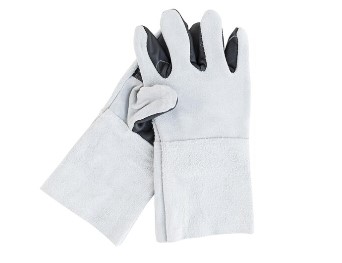
Leather Welding Gloves
Leather remains one of the most commonly used materials for welding gloves due to its durability, availability, and balanced protection.
Advantages of Leather Gloves
Leather welding gloves typically provide:
- Good abrasion resistance
- Strong mechanical protection
- Comfortable wear
- Cost-effectiveness
They are commonly used for general welding tasks where workers need reliable protection against sparks, heat, and rough materials.
Limitations of Leather Gloves
Although leather performs well in many welding environments, it may not be the best choice for extreme temperature applications.
Compared with advanced synthetic fibers, leather generally offers:
- Lower thermal performance under extreme heat
- Less specialized protection against prolonged high-temperature exposure
For demanding industrial environments, high-performance fibers may provide additional advantages.
Kevlar Welding Gloves
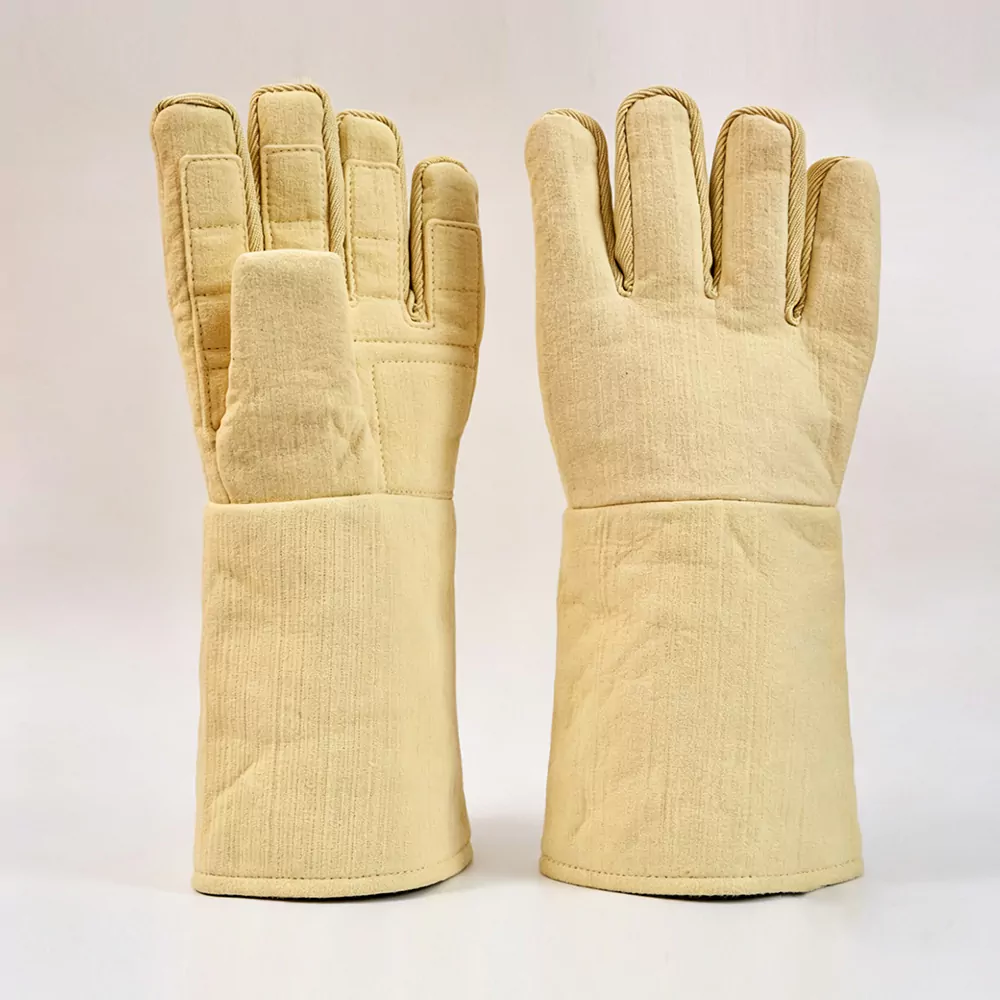
Kevlar is one of the most recognized high-performance fibers used in protective equipment.
As a para-aramid fiber, Kevlar is known for its combination of strength, heat resistance, and durability.
Advantages of Kevlar Gloves
Kevlar welding gloves offer several benefits:
- Excellent Mechanical Strength: Kevlar has high tensile strength, helping gloves withstand repeated mechanical stress.
- Good Heat Resistance: Kevlar maintains performance under elevated temperatures, making it suitable for many industrial heat protection applications.
- Abrasion and Cut Resistance: For welding environments where workers handle metal parts or sharp materials, Kevlar provides additional protection against physical damage.
Typical Applications
Kevlar gloves are commonly used for:
- Metal fabrication
- Industrial welding
- Heavy-duty material handling
- Applications requiring both heat and mechanical protection
Kevlar is especially suitable when durability is as important as thermal protection.
PBO Heat Resistant Gloves for Extreme Heat Applications
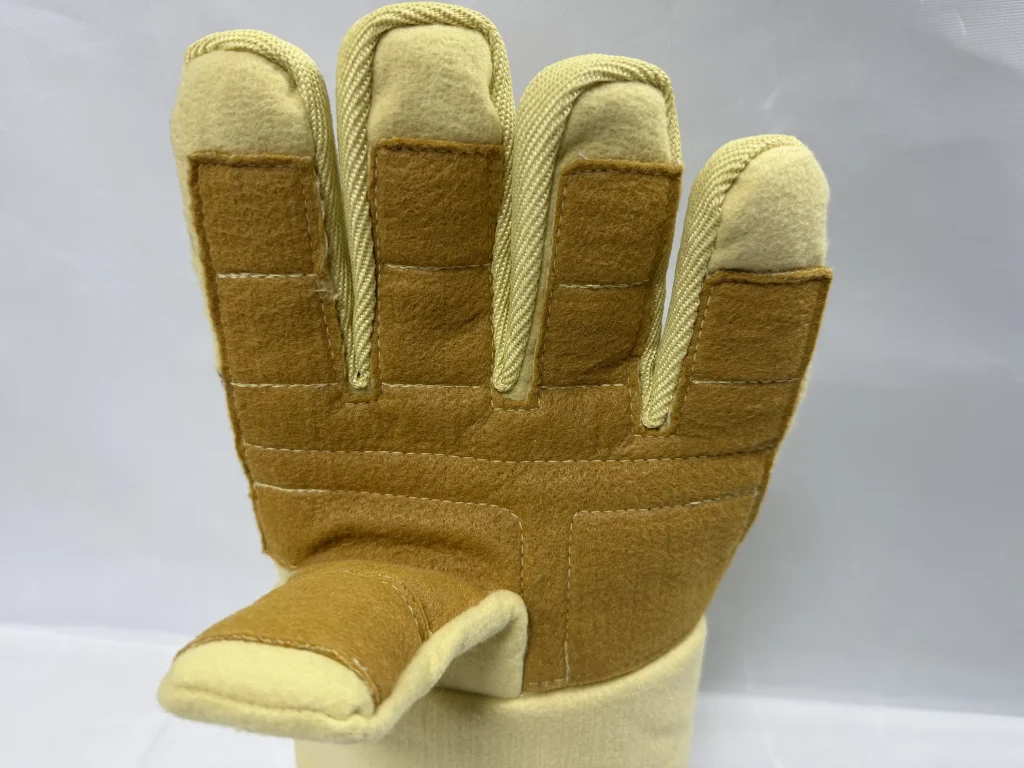
PBO (Polybenzobisoxazole) provides exceptional thermal performance in extreme temperature environments as an advanced high-performance fiber.
Compared with traditional heat-resistant fibers, PBO provides exceptional thermal stability and strength retention at very high temperatures.
Advantages of PBO Gloves
PBO gloves are known for:
- Extremely high heat resistance
- Excellent thermal stability
- High strength performance
- Long-lasting protection in demanding environments
When Are PBO Gloves Suitable?
PBO gloves are typically considered for applications where conventional heat-resistant materials may not provide enough protection.
Examples include:
- Extreme industrial heat exposure
- Metal processing environments
- High-temperature manufacturing operations
For welding applications involving severe heat conditions, PBO may provide additional protection compared with conventional materials.
Which Heat Resistant Gloves Are Best for Different Welding Methods?
Different welding processes create different levels of heat, sparks, and physical hazards. Therefore, the recommended heat resistant gloves may vary depending on the welding method.
A glove suitable for heavy-duty welding may not be ideal for precision welding tasks. Understanding the requirements of each process helps workers choose more suitable hand protection.
MIG Welding
MIG (Metal Inert Gas) welding is widely used in manufacturing, fabrication, and repair applications.
During MIG welding, workers are commonly exposed to:
- Continuous heat exposure
- Welding sparks
- Hot metal fragments
- Abrasion from handling metal parts
For MIG welding, gloves typically need:
- Good heat resistance
- Strong abrasion resistance
- Durable construction
Welders commonly choose materials such as leather and Kevlar for MIG welding because they provide a balance between thermal protection and mechanical durability.
Kevlar gloves can be particularly beneficial when workers frequently handle metal components before and after welding.
TIG Welding
TIG (Tungsten Inert Gas) welding requires greater precision and control compared with many other welding methods.
Operators often need to:
- Hold tools accurately
- Control small movements
- Maintain better finger flexibility
Therefore, TIG welding gloves usually prioritize:
- Dexterity
- Grip control
- Lightweight protection
A glove that is too thick may reduce sensitivity and make precise welding operations more difficult.
For TIG welding, thinner heat-resistant materials or flexible glove designs are often preferred.
Stick Welding
Stick welding, also known as shielded metal arc welding, generally involves higher heat levels and more intense sparks.
Workers may experience:
- Strong radiant heat
- Hot slag
- Molten metal droplets
- Longer heat exposure periods
Stick welding gloves typically require:
- Higher thermal protection
- Strong flame resistance
- Better durability
Professionals commonly choose heavy-duty leather gloves, Kevlar gloves, and flame-resistant materials such as PBO according to different working conditions.
How to Choose the Right Heat Resistant Gloves for Welding?
Selecting welding gloves should be based on the actual working environment rather than choosing a product only by its temperature rating.
The following factors should be considered before making a decision.
Consider the Welding Process
The first step is identifying the welding method.
Different processes require different protection levels:
| Welding Method | Main Requirements |
|---|---|
| MIG Welding | Heat resistance, durability, abrasion protection |
| TIG Welding | Flexibility, precision, comfort |
| Stick Welding | Maximum thermal and spark protection |
Choosing gloves designed for the specific welding process can improve both safety and working efficiency.
Consider Heat Exposure and Working Conditions
Temperature alone does not determine glove performance.
Important factors include:
- Contact temperature
- Exposure duration
- Frequency of heat exposure
- Distance from the heat source
- Presence of sparks or molten materials
For example, a glove that performs well during short-term contact with hot materials may not be suitable for continuous high-temperature operations.
Balance Protection and Flexibility
A common misconception is that thicker gloves always provide better protection.
In reality, glove selection requires balancing:
- Thermal protection
- Hand movement
- Grip ability
- Operator comfort
For tasks requiring precision, excessive thickness may reduce productivity.
For heavy-duty applications, additional insulation and durability may be more important.
Evaluate Material Quality and Glove Construction
The fiber material is important, but glove construction also affects performance.
Factors to evaluate include:
Stitching Quality
Strong stitching helps maintain glove integrity during repeated use.
Layer Structure
Multi-layer designs can improve:
- Heat insulation
- Comfort
- Durability
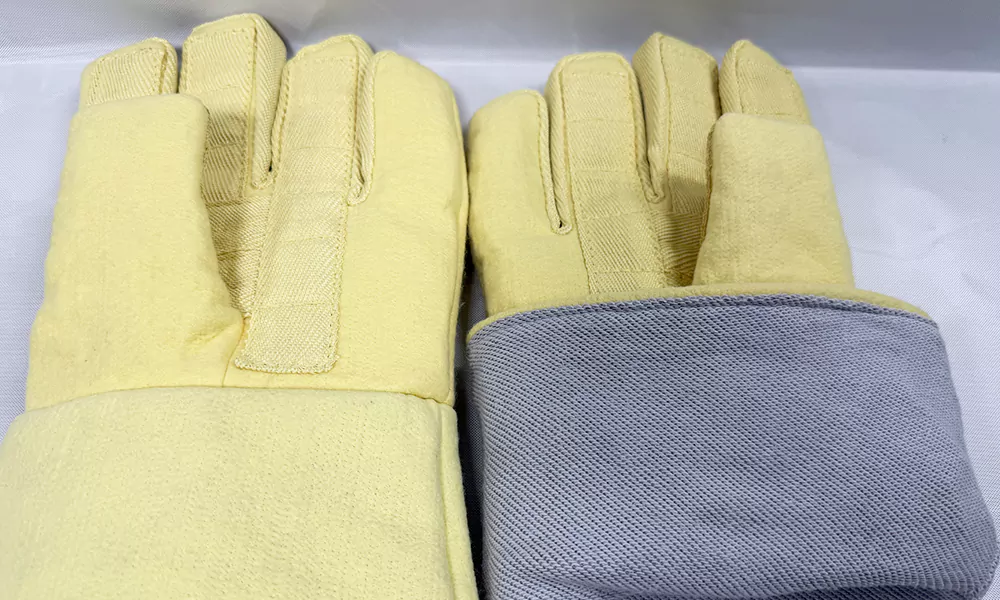
Cuff Design
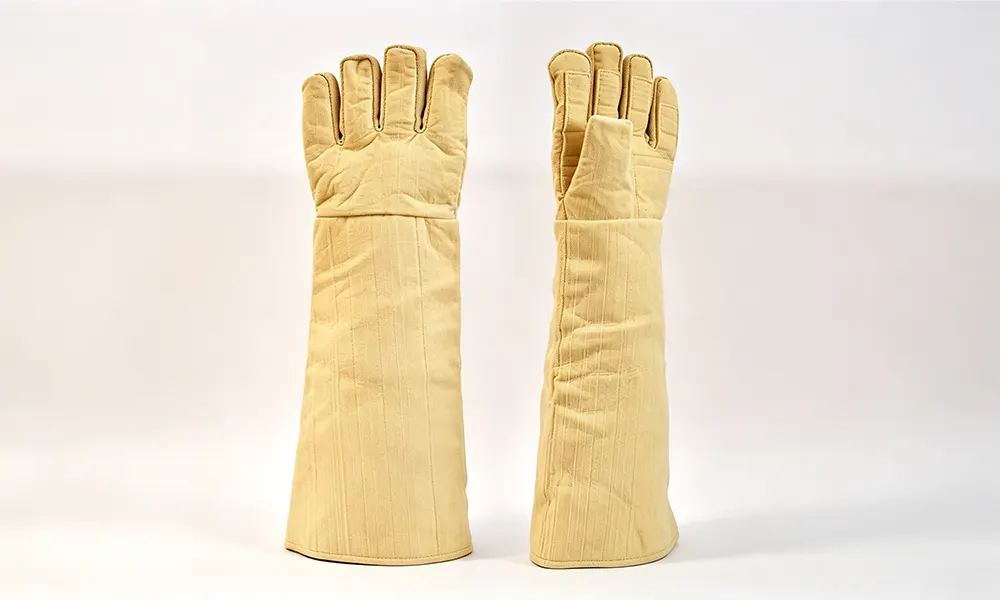
Extended cuffs can provide additional protection for wrists and lower arms against sparks and heat exposure.
FAQs
The best heat resistant gloves for welding depend on the welding method and working environment. Leather gloves are commonly used for general welding, Kevlar gloves provide additional strength and abrasion resistance, while PBO and advanced heat-resistant fibers are suitable for applications requiring enhanced thermal protection.
Yes. Kevlar gloves are suitable for many welding applications because they combine heat resistance, high strength, and abrasion resistance. They are commonly used where workers need protection from both high temperatures and mechanical wear.
Some specialized heat resistant gloves can provide protection against molten metal exposure, but performance depends on the material, glove design, and exposure conditions. Gloves should always be selected according to the specific application requirements.
Not always. Thicker gloves may provide better insulation, but they can reduce flexibility and hand control. The best welding gloves provide an appropriate balance between protection, comfort, and usability.
Conclusion
The right heat resistant gloves for welding depend on more than temperature resistance alone. Factors such as welding method, heat exposure, mechanical stress, and required flexibility all influence the best material choice.
Leather, Kevlar, and PBO each offer different advantages for different environments. Understanding these material differences helps workers select more reliable protection for welding and other high-temperature applications.
For industries requiring advanced heat protection, CALM provides high-performance heat resistant gloves made with specialized materials designed for demanding working conditions. Contact our team for professional recommendations based on your application requirements.
Have specific high-temperature protection requirements? Contact CALM at [email protected] for tailored heat resistant glove solutions.