
Endless Belt: Types, Benefits, Applications, and Selection Guide
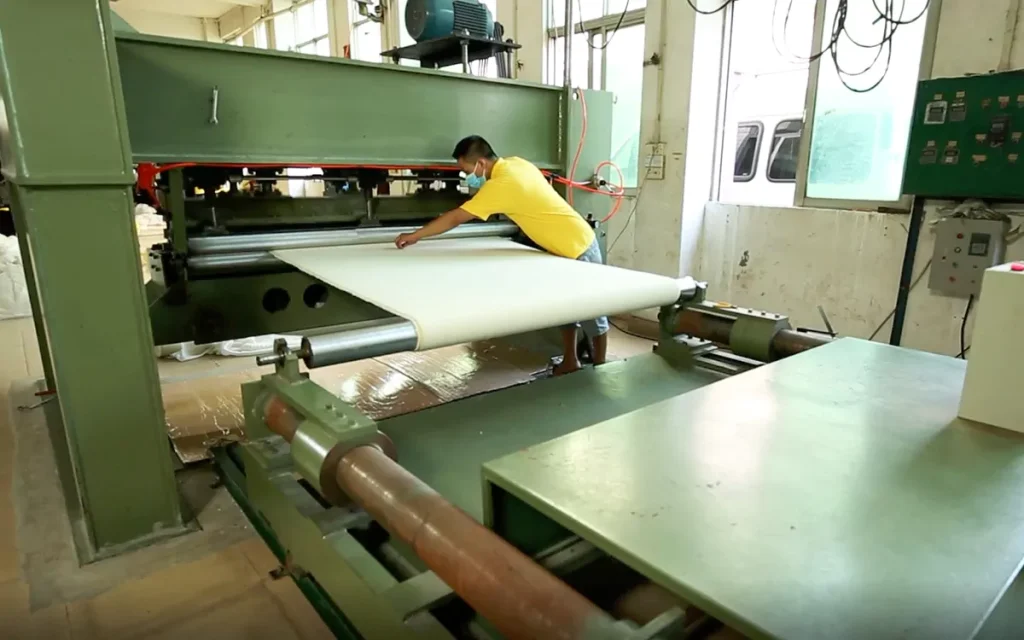
An endless belt is a continuous-loop belt designed to run around pulleys, rollers, or other rotating components without requiring the operator to connect two loose ends during installation. However, “endless” does not always mean “seamless.” Some belts form a truly jointless loop during manufacturing, while others become endless through welding, vulcanization, or mechanical joining. The difference can affect running stability, durability, surface consistency, and suitability for specific industrial applications.
Conveyor Belt: Types, Materials, Applications, and How to Choose the Right Supplier
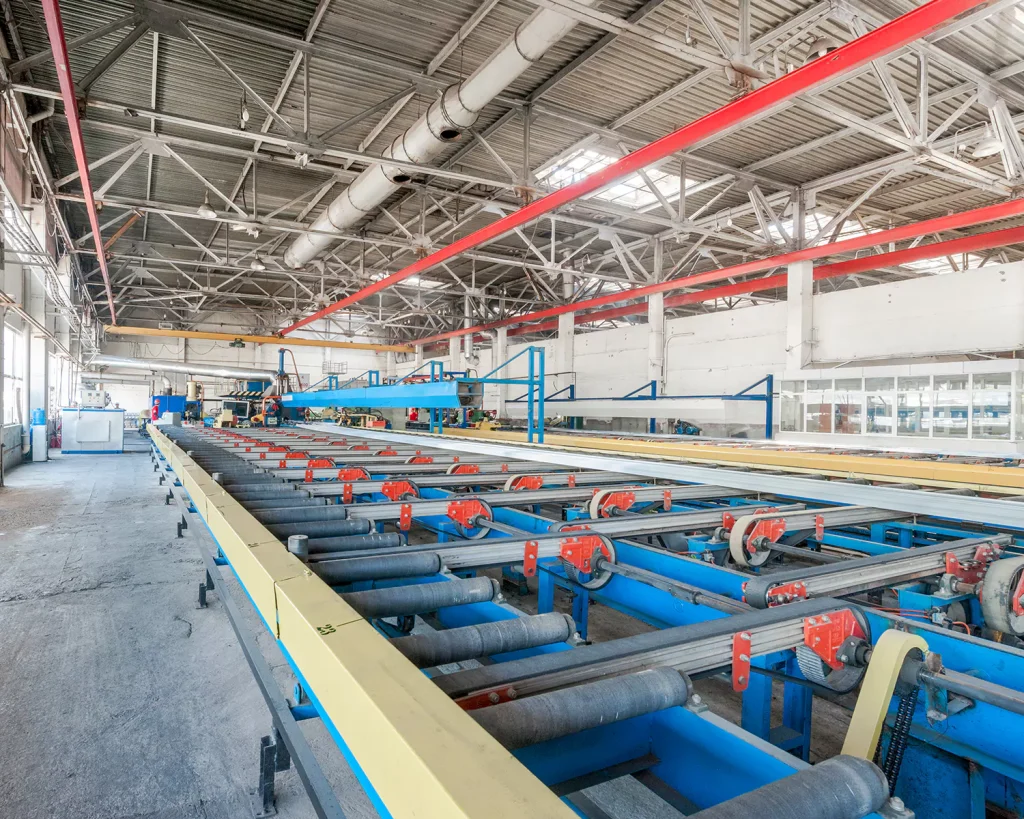
Conveyor belt manufacturers produce different types of belts for material handling, manufacturing, and specialized industrial processes. The right manufacturer depends on the belt material, operating temperature, conveying conditions, dimensions, and application requirements. For high-temperature and surface-sensitive applications, industrial felt belts provide a specialized solution that conventional rubber or plastic belts may not offer. This guide explains the main conveyor belt types, materials, applications, and key factors to consider when choosing a manufacturer, with a focus on industrial felt conveyor belts.
What Are the Main Benefits of Using Kevlar Gloves for Work?
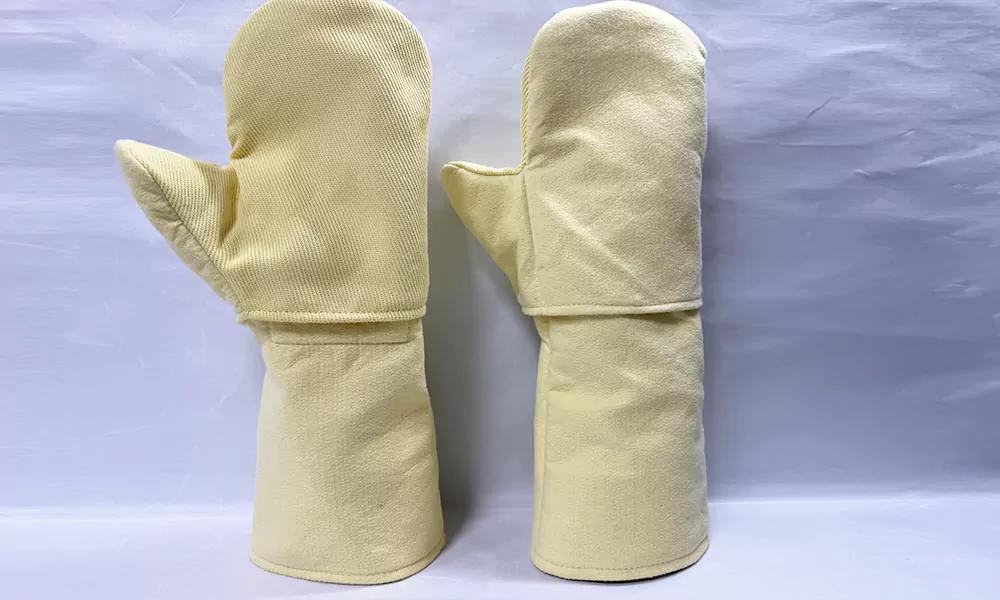
The main benefits of Kevlar gloves include cut resistance, heat resistance, abrasion resistance, durability, and relatively lightweight protection. These properties make Kevlar-based gloves useful for work involving sharp materials, rough surfaces, elevated temperatures, and repeated handling. However, the actual protection a worker receives depends on the complete glove construction, not simply on whether the glove contains Kevlar.
Can Kevlar Gloves Be Used for Industrial and Construction Purposes?
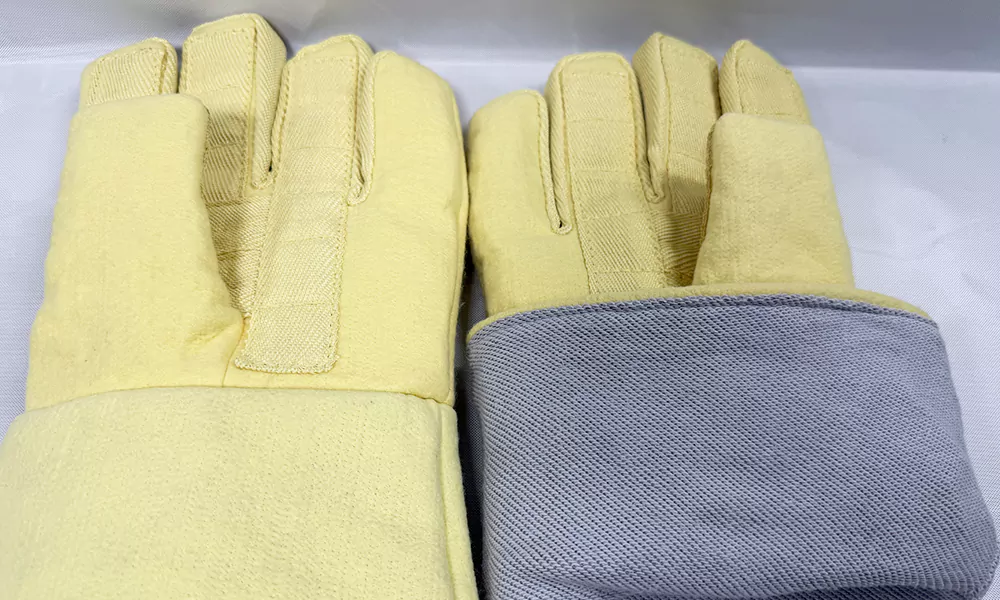
Yes, Kevlar gloves can be used for many industrial and construction applications, particularly when workers face cut, abrasion, sharp-edge, and certain heat-related hazards. They are commonly used in metal fabrication, glass handling, automotive manufacturing, construction, and other material-handling tasks. However, Kevlar alone does not determine whether a glove is suitable for a specific job. The glove’s construction, protection rating, and workplace hazards must all be considered.
Kevlar Gloves: Materials, Protection, Applications, and How to Choose
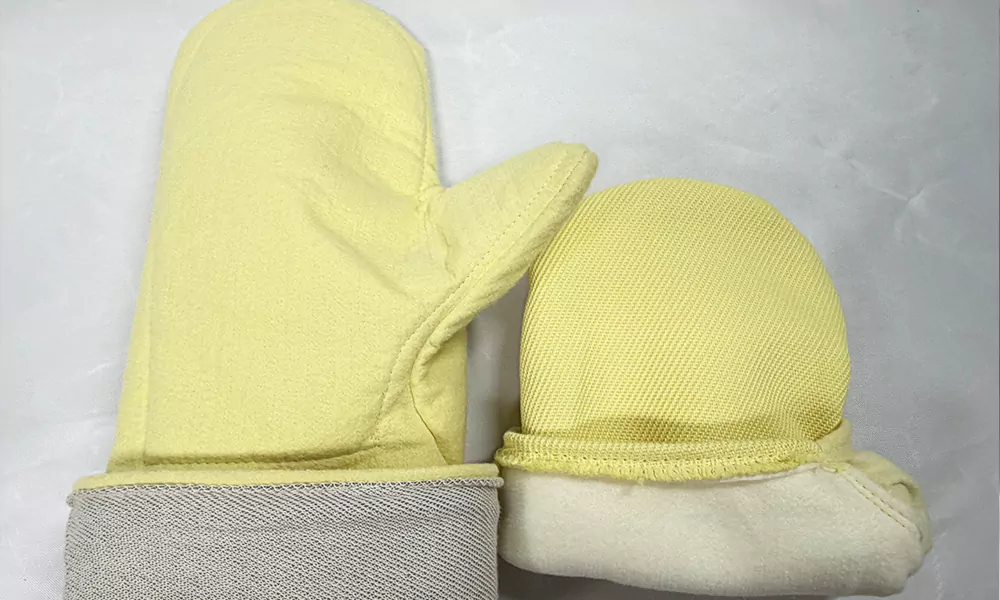
Kevlar® gloves are protective gloves that incorporate Kevlar, a para-aramid fiber, into the glove liner, yarn, stitching, reinforcement, or outer construction. They are widely used when workers need a combination of cut resistance, heat resistance, flame resistance, abrasion resistance, and mechanical strength. However, not every Kevlar glove provides the same protection. The finished glove’s construction, fiber blend, coating, thickness, and tested performance determine whether it is suitable for a particular task.
What Is a Timing Belt? How It Works, Types, Materials and Industrial Applications
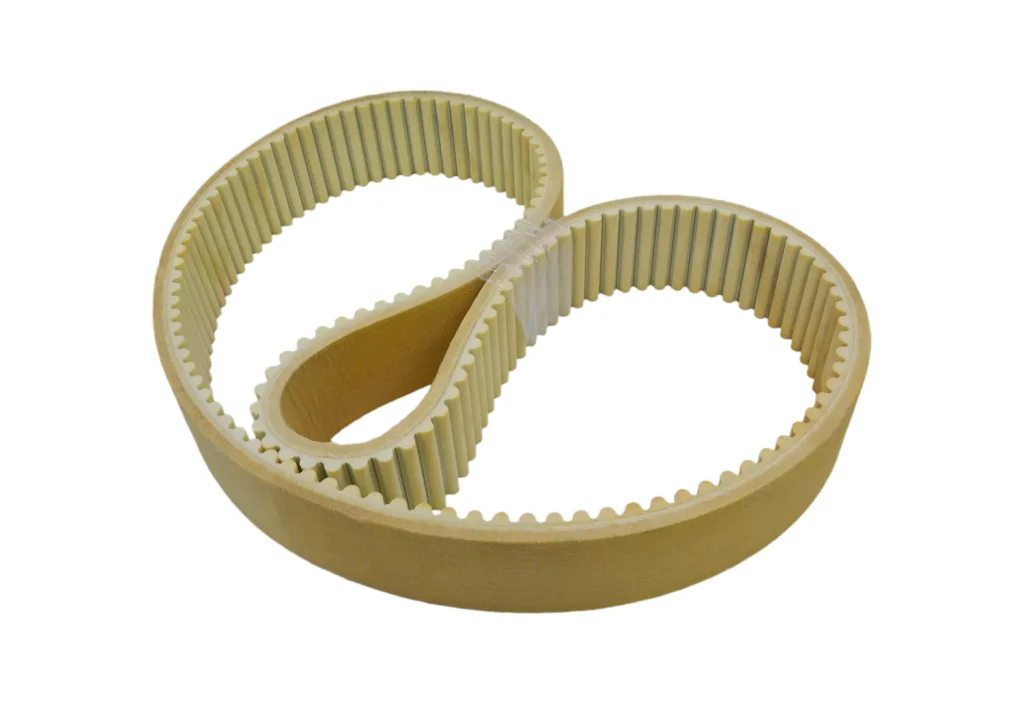
A timing belt is a toothed belt that transfers motion between pulleys while maintaining precise synchronization. Unlike friction-driven belts, it uses teeth that engage with matching pulley grooves to reduce slippage and maintain a predictable relationship between the driving and driven components. Timing belts are widely used in automotive engines, industrial machinery, automation systems, conveying equipment, and precision linear-motion applications.
Which Heat Resistant Gloves Are Recommended for Welding Tasks? A Material Guide
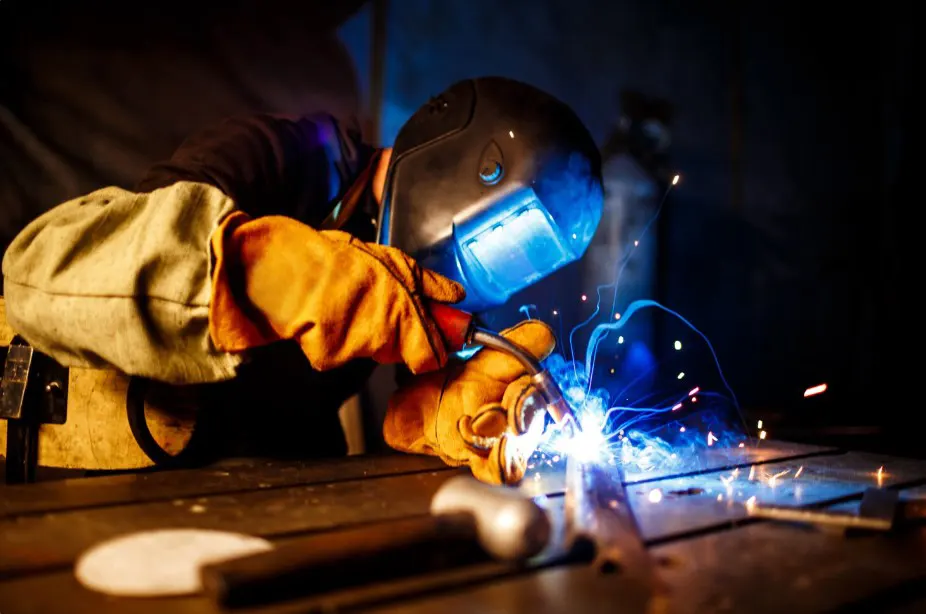
Welding requires heat resistant gloves that can protect against high temperatures, sparks, molten metal, and mechanical hazards. The most suitable gloves depend on the welding method, heat exposure level, and required balance between protection and flexibility. Leather, Kevlar, and advanced heat-resistant fibers such as PBO are commonly used materials, each offering different advantages for specific welding environments.
What Are the Best Gloves for Extreme Heat? A Complete Guide to High-Temperature Protection
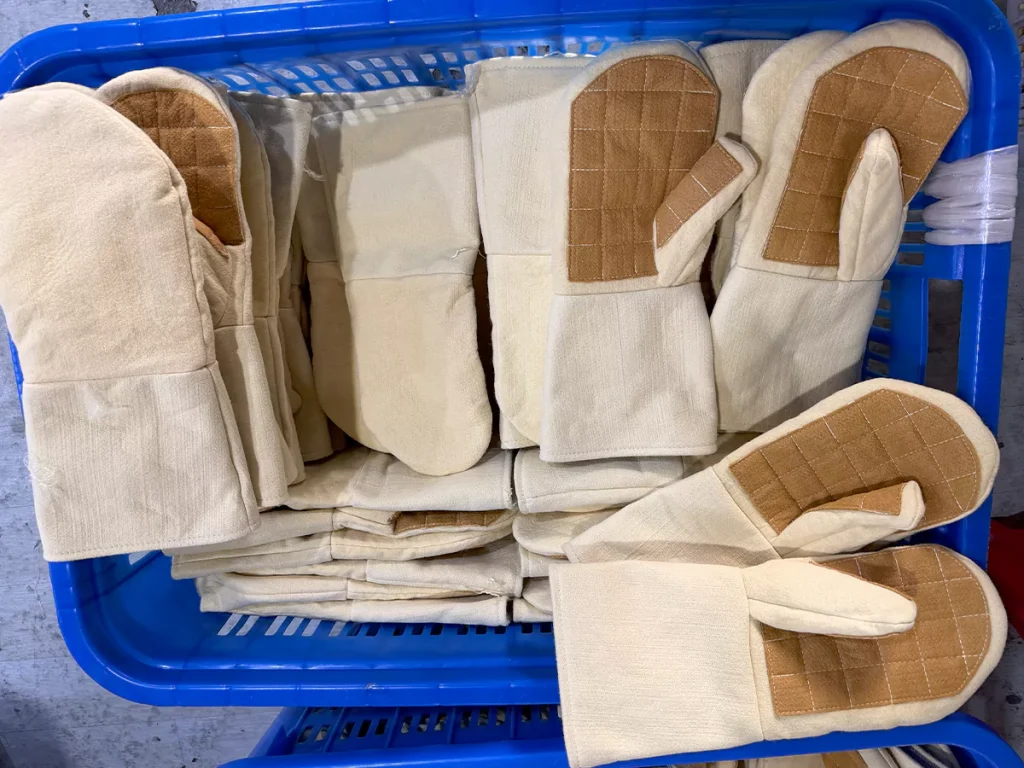
The best gloves for extreme heat depend on the type of heat exposure, working temperature, and application requirements. High-performance materials such as PBO, Kevlar, Nomex, aluminized fabrics, and leather are designed for different levels of thermal protection, mechanical stress, and working environments.