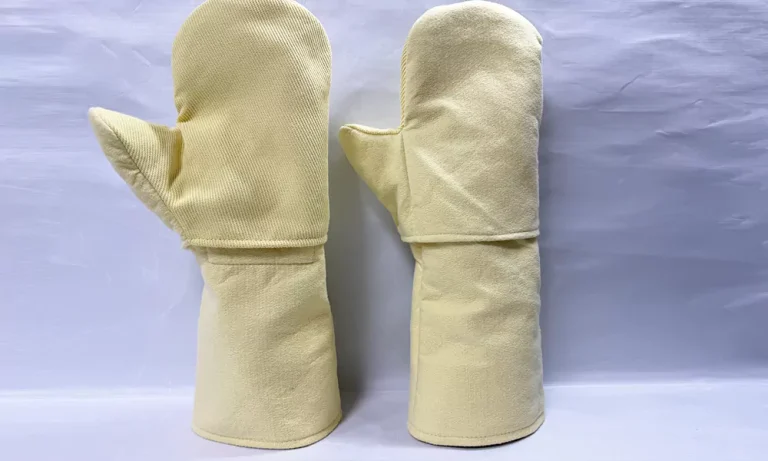
Yes, Kevlar gloves can be used for many industrial and construction applications, particularly when workers face cut, abrasion, sharp-edge, and certain heat-related hazards. They are commonly used in metal fabrication, glass handling, automotive manufacturing, construction, and other material-handling tasks. However, Kevlar alone does not determine whether a glove is suitable for a specific job. The glove’s construction, protection rating, and workplace hazards must all be considered.
Why Are Kevlar Gloves Suitable for Industrial Work?
Industrial work often exposes workers to multiple hand hazards at the same time. Kevlar is useful because it combines several properties that can support protective glove construction:
- Cut resistance when handling sharp edges and materials
- Abrasion resistance for repeated contact with rough surfaces
- Heat resistance for applications involving elevated temperatures
- Flame resistance in suitable glove constructions
- Strength and durability for demanding material-handling tasks
Commercial industrial gloves demonstrate how manufacturers use Kevlar in different constructions depending on the application. For example, some products combine Kevlar with nylon or acrylic for cut and abrasion protection, while others use Kevlar reinforcement in high-stress areas such as the thumb crotch.
This means a Kevlar glove can be appropriate for industrial work without necessarily being a heavy-duty glove for every type of hazard.
Can Kevlar Gloves Be Used for Construction Work?
Yes, but their suitability depends on the construction task. Kevlar gloves are particularly useful when workers handle sharp, rough, or abrasive materials.
Common applications include:
Sheet Metal Handling
Sheet metal can create significant cut hazards, particularly around unfinished edges. Kevlar-based gloves can provide cut protection while maintaining the dexterity needed for material handling.
Glass Handling
Glass handling requires protection against sharp edges and lacerations. Manufacturers use Kevlar gloves in glass-related applications because they provide mechanical protection without necessarily requiring a bulky glove construction.
HVAC and Ductwork
Installing and handling metal ductwork can expose workers to sharp sheet-metal edges. A cut-resistant Kevlar glove can be appropriate when this is the primary hand hazard.
Rebar and Sharp Construction Materials
Construction workers may regularly handle metal bars, fabricated components, and other materials with sharp or rough surfaces. Kevlar-based gloves can help address these mechanical hazards.
Demolition and Renovation
Demolition and renovation work can involve a mixture of sharp metal, broken materials, and abrasive surfaces. However, the glove should be selected according to the complete range of hazards rather than simply choosing a glove because it contains Kevlar.
What Industrial Applications Use Kevlar Gloves?
Kevlar gloves are used across several industries where cut, abrasion, or thermal protection is required.
Metal Fabrication and Metalworking
This is one of the most relevant applications. Workers may handle:
- Sheet metal
- Stamped parts
- Sharp metal components
- Structural parts
- Machined components
- Hot metal
Industrial Kevlar gloves are specifically marketed for metal fabrication, metal stamping, deburring, and similar operations.
Automotive Manufacturing
Automotive production involves frequent handling of metal panels, body components, chassis parts, and other sharp-edged materials. Kevlar-containing gloves are used for applications such as chassis assembly, body trimming, and structural-part handling.
Glass Manufacturing
Glass production and handling can combine sharp edges with thermal hazards. Kevlar gloves can provide useful cut protection for these environments, while the exact glove construction determines whether additional thermal protection is available.
Foundry and Casting
Foundry work can involve both sharp materials and high temperatures. Some Kevlar-based industrial gloves are specifically designed for foundry, casting, and high-heat applications.
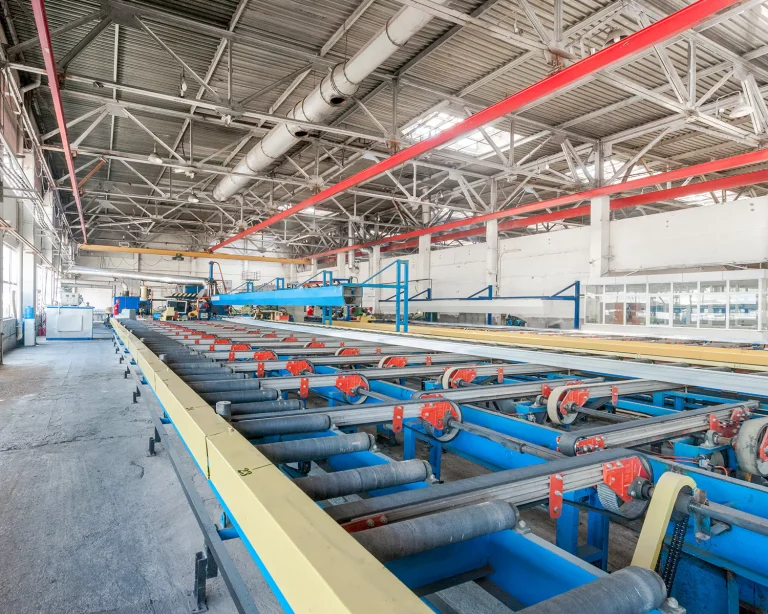
Aluminum Extrusion
Kevlar gloves can also be suitable for selected aluminum extrusion handling tasks, particularly where workers need protection from sharp edges and elevated temperatures.
The correct glove depends on the actual extrusion process, material temperature, contact time, and handling method. A general Kevlar glove should not automatically be treated as suitable for every stage of aluminum extrusion.
What Hazards Can Kevlar Gloves Help Protect Against?
Kevlar can contribute to several types of hand protection, but the finished glove determines the actual level of protection.
| Workplace Hazard | Kevlar Glove Suitability |
|---|---|
| Cuts and lacerations | Good potential |
| Abrasion | Good potential |
| Sharp edges | Good potential |
| Contact heat | Depends on construction and rating |
| Flame and sparks | Depends on construction and rating |
| Puncture | Depends on glove design |
| Chemical exposure | Not provided by Kevlar alone |
| Electrical hazards | Requires specifically rated protection |
For example, one industrial Kevlar glove may have an EN 388 cut rating and moderate EN 407 contact-heat protection, while another Kevlar glove may be designed primarily for mechanical protection.
Therefore, “Kevlar” should be treated as a material specification, not a complete protection rating.
Are Kevlar Gloves Suitable for High-Temperature Work?
Some are, but not all Kevlar gloves provide the same thermal protection.
Kevlar is inherently heat resistant, but the thermal performance of a finished glove depends on its construction, thickness, lining, outer material, and other components.
Industrial products illustrate this difference. For example, some Kevlar gloves are certified for moderate contact heat, while other specially constructed gloves are designed for substantially higher contact temperatures.
When selecting gloves for high-temperature work, distinguish between:
- Contact heat
- Radiant heat
- Convective heat
- Flame exposure
- Hot-metal handling
A glove suitable for brief contact with a hot surface is not necessarily suitable for prolonged exposure to intense radiant heat or molten metal.
Are Kevlar Gloves Suitable for Welding?
Some Kevlar-based gloves can be used for welding-related tasks, particularly when the glove provides the required combination of heat, cut, abrasion, and flame protection.
However, welding applications vary significantly. MIG welding, stick welding, TIG welding, grinding, and torch cutting expose the hands to different combinations of heat, sparks, abrasion, and mechanical hazards.
For welding, select the glove according to the specific welding process and its relevant test ratings, rather than relying only on the presence of Kevlar. Some industrial welding gloves, for example, combine Kevlar with leather and other materials to provide extended thermal and mechanical protection.
When Should You Not Choose Kevlar Gloves?
Kevlar is not a universal solution for every industrial or construction hazard.
A Kevlar glove may not be the right choice when the primary hazard is:
- Chemical exposure
- Electrical hazards
- Severe impact or crushing
- Specialized puncture hazards
- A hazard requiring protection that the glove has not been tested for
For example, strong cut resistance does not automatically mean strong puncture resistance. Likewise, a heat-resistant fiber does not automatically make the complete glove suitable for every high-temperature application.
The safest approach is to identify the hazard first and then select a glove with the appropriate tested performance.
How to Choose Kevlar Gloves for Industrial or Construction Work
Consider four factors before selecting a glove:
1. Identify the Main Hazard
Determine whether the primary risk is cutting, abrasion, heat, flame, puncture, or a combination.
2. Check the Required Protection Level
Look at the actual test results rather than choosing solely by fiber type.
3. Consider the Working Conditions
Temperature, exposure time, grip requirements, moisture, oils, and required dexterity can all affect glove selection.
4. Check Relevant Standards
Depending on the application, industrial buyers may need to consider standards such as EN 388, EN 407, and ANSI/ISEA 105.
These standards help buyers evaluate the protection provided by the finished glove rather than making assumptions based on its material composition.
Are Kevlar Gloves Right for Industrial and Construction Applications?
Kevlar gloves can be a strong option for applications involving sharp materials, cutting hazards, abrasion, and certain thermal conditions.
| Application | Potential Suitability |
|---|---|
| Sheet metal handling | High |
| Metal fabrication | High |
| Glass handling | High |
| Automotive manufacturing | High |
| General construction material handling | High |
| Aluminum extrusion handling | Application dependent |
| Foundry and casting | Application dependent |
| Welding | Application dependent |
| Chemical handling | Not based on Kevlar alone |
| Electrical work | Not based on Kevlar alone |
The key is to match the glove’s tested protection to the actual hazard.
FAQs
Can Kevlar gloves be used for construction?
Yes. They can be suitable for tasks such as sheet-metal handling, glass installation, HVAC work, and handling sharp construction materials when the glove provides the required protection.
Are Kevlar gloves good for industrial work?
Yes. Kevlar gloves are commonly used in metal fabrication, automotive manufacturing, glass handling, foundry work, and other industrial applications involving cuts, abrasion, and certain thermal hazards.
Can Kevlar gloves be used for welding?
Some can. The glove must have appropriate thermal and flame protection for the specific welding process.
Are Kevlar gloves heat resistant?
Kevlar fiber has inherent heat resistance, but the thermal protection of the finished glove varies by construction and testing.
Conclusion
Kevlar gloves can be used for many industrial and construction applications, especially where workers face cuts, sharp edges, abrasion, and certain heat-related hazards. However, the presence of Kevlar alone does not determine whether a glove is suitable. The right choice depends on the specific task, workplace hazards, glove construction, and tested protection level.
Looking for Kevlar gloves for your industrial application? Contact us at [email protected] to discuss your requirements.