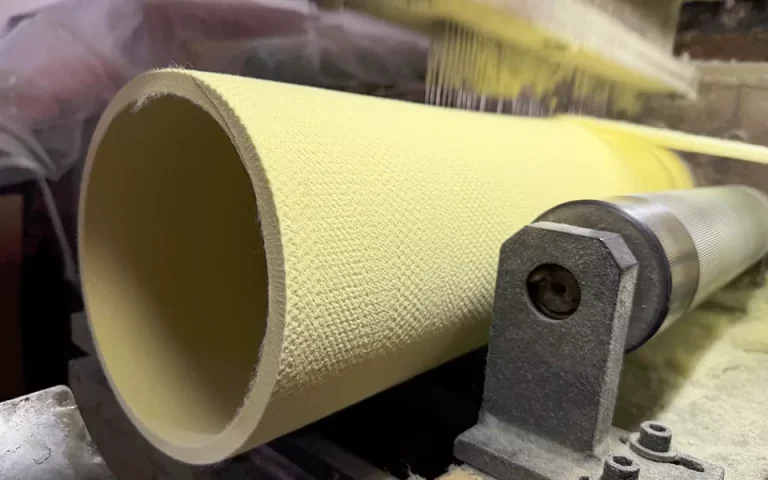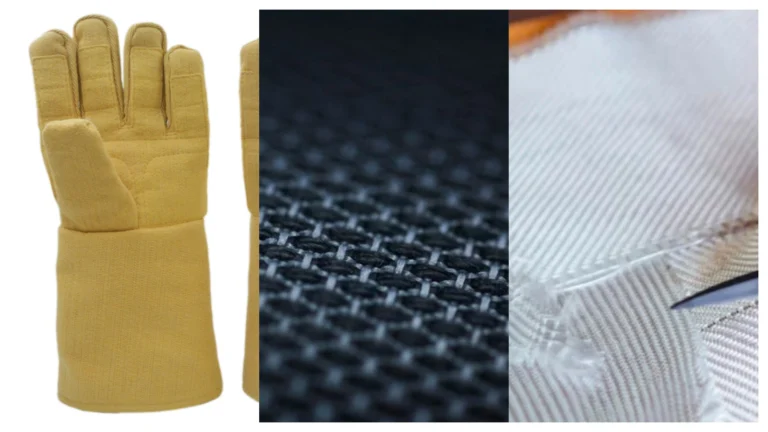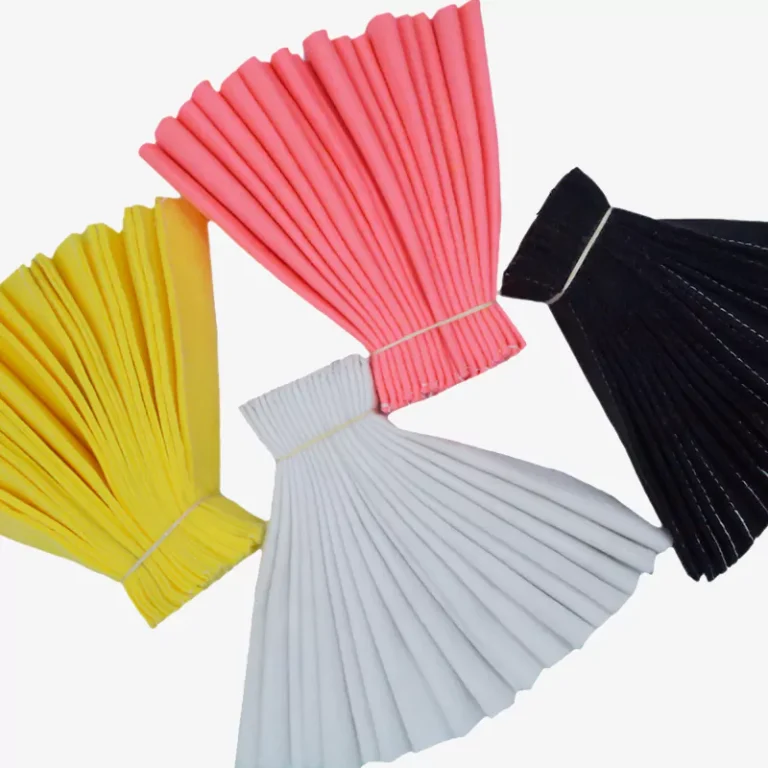
The best aramid fabric for high-temperature applications depends on the operating temperature, exposure duration, and required mechanical performance. Nomex® and other meta-aramid fabrics are strong candidates when heat resistance and flame resistance are priorities, while para-aramid fabrics are worth considering when tensile strength, abrasion resistance, and tear resistance are also important. For applications involving both heat and mechanical stress, an aramid blend may offer a more suitable balance.
Choosing the right fabric requires more than comparing temperature ratings. The fiber type, fabric construction, working environment, and performance requirements all affect service life.
1. What Is the Difference Between Aramid Fabric and Nomex Fabric?
Aramid is a family of synthetic fibers known for their strength, thermal stability, and other specialized properties. Nomex® is a brand of meta-aramid fiber, so Nomex fabric is one type of aramid fabric rather than a separate material category.
Aramid fabrics are commonly divided into two main types: meta-aramid and para-aramid. Although both offer useful heat-resistant properties, their molecular structures give them different performance characteristics.
Meta-Aramid Fabric
Meta-aramid fibers are widely used in heat-resistant and flame-resistant textiles. Nomex® is a well-known example. These fibers have inherent flame resistance and do not melt and drip in the same way as many conventional thermoplastic fibers.
Meta-aramid fabrics are used in applications such as thermal protective clothing, industrial filtration, and selected insulation products. Their suitability depends on the fabric construction and the conditions in which the finished product operates.
Para-Aramid Fabric
Para-aramid fibers, including Kevlar®-type fibers, are known for their high tensile strength and modulus. They are used where mechanical durability, resistance to tearing, or reinforcement is important.
Para-aramid can also be used in heat-exposed applications, but its mechanical strength does not automatically make it the best choice for every thermal application. The fabric must be evaluated for both heat exposure and the mechanical properties it needs to retain.
2. Nomex vs. Para-Aramid vs. Aramid Blends
The most suitable material depends on which properties matter most in the application.
| Material | Main advantages | Suitable applications to evaluate |
|---|---|---|
| Meta-aramid, including Nomex® | Inherent flame resistance and thermal stability | Protective textiles, selected filtration media, and insulation products |
| Para-aramid | High tensile strength and good resistance to tearing | Reinforcement, mechanically demanding textiles, and selected industrial components |
| Meta-aramid and para-aramid blends | Potential balance of thermal and mechanical performance | Applications involving both heat exposure and mechanical stress |
These categories are starting points for material selection, not universal performance rankings. Actual results depend on the fiber grade, blend ratio, yarn structure, fabric weight, thickness, and finishing process.
For example, a heavy woven fabric designed for industrial equipment may behave very differently from a lightweight protective garment fabric, even if both contain meta-aramid fibers.
3. What Temperature Can Aramid or Nomex Fabric Withstand?
There is no single maximum temperature that applies to every aramid fabric. Continuous operating temperature, short-term heat exposure, and thermal decomposition are different measurements and should not be used interchangeably.
DuPont’s Nomex® Fiber Technical Guide recommends a maximum continuous operating temperature of 400°F (204°C) for certain hot-gas filtration applications. This recommendation relates to long-term fiber strength retention and filter service life. It is not a universal temperature rating for every Nomex fabric or finished product.
Several factors affect temperature performance:
- Exposure duration: A brief temperature peak may produce a different result from continuous exposure over months or years.
- Mechanical loading: Tension, pressure, bending, and abrasion can affect how well a fabric retains its required properties.
- Chemical environment: Acids, alkalis, oxidizing agents, moisture, and other process conditions may accelerate degradation.
- Fabric construction: Thickness, density, weave, and fiber composition influence heat transfer and mechanical performance.
- Required service life: A material that survives a short exposure may not retain sufficient strength or flexibility for long-term operation.
A fiber’s decomposition temperature should not be treated as its recommended working temperature. A fabric may lose useful strength or flexibility well before it reaches the point of decomposition.
When selecting a high-temperature fabric, request technical data for the specific grade and product construction. If the application involves prolonged heat exposure, evaluate the expected operating conditions and the properties that must be retained throughout the intended service life.
4. How to Choose the Right Fabric for Different High-Temperature Applications
The best material depends on what the fabric needs to do, not just how hot the environment becomes.
Heat- and Flame-Protective Clothing
For protective garments exposed to heat or flame, meta-aramid fabrics are commonly considered because of their inherent flame resistance and thermal stability. Some garments use blends to balance thermal protection with strength, flexibility, and wear resistance.
Selection should be based on the specific hazard, heat exposure, garment construction, and applicable safety standards. A fabric’s flame resistance alone does not establish that a finished garment provides adequate protection against every type of thermal hazard.
High-Temperature Industrial Filtration
For hot-gas filtration, meta-aramid is a candidate when operating conditions fall within the selected product’s validated limits. Continuous temperature, gas chemistry, humidity, dust characteristics, and cleaning cycles all influence filter life.
If the process contains acidic gases or other aggressive substances, chemical compatibility must be checked alongside temperature resistance. The correct filtration material should be selected using the complete operating profile rather than temperature alone.
Electrical Insulation
Certain Nomex® products are designed for electrical insulation, including specific paper and other insulation forms. However, electrical insulation materials must be assessed according to their intended use, dielectric performance, thermal aging behavior, thickness, and the requirements of the complete insulation system.
A general Nomex textile should not automatically be considered interchangeable with a qualified electrical insulation product.
Industrial Components Exposed to Heat and Friction
Industrial components may experience a combination of elevated temperature, pressure, repeated contact, friction, and wear. In these conditions, para-aramid or a suitable aramid blend may be worth evaluating alongside meta-aramid.
The selection should account for both thermal stability and mechanical performance. Where the component contacts hot surfaces repeatedly, testing under representative contact time, load, speed, and surface conditions can provide more useful information than a generic fiber temperature rating.
For applications involving aluminum extrusion or other hot-material handling processes, the material must also meet the component’s specific requirements for surface protection, abrasion resistance, dimensional stability, and service life.
5. What Should You Check Before Selecting a High-Temperature Fabric?
Before choosing a fabric, define the actual working conditions and the properties the finished material must maintain.
Operating temperature and exposure time: Record the normal working temperature, peak temperature, duration of each exposure, and frequency of heating and cooling cycles.
Mechanical requirements: Identify whether the fabric will experience tensile loads, abrasion, compression, bending, impact, or repeated movement.
Fabric specifications: Check fiber composition, fabric weight, thickness, density, weave, and any coatings or treatments. These characteristics can significantly influence performance.
Environmental compatibility: Consider chemicals, moisture, oils, dust, oxidation, and cleaning procedures that may affect the material.
Testing and documentation: Request the technical data sheet and relevant test reports for the exact fabric grade. Depending on the application, these may need to cover thermal aging, flame resistance, tensile strength, abrasion resistance, chemical compatibility, or electrical properties.
Where failure could affect worker safety or critical equipment, test a representative sample under realistic operating conditions before committing to the final material.
FAQs
Is Nomex better than Kevlar for high-temperature applications?
Neither material is universally better. Nomex® is a meta-aramid commonly selected for heat- and flame-resistant textiles, while Kevlar® is a para-aramid known for high tensile strength. The better choice depends on the temperature profile, mechanical loads, and performance requirements of the application.
Does Nomex fabric have a maximum operating temperature?
There is no single maximum operating temperature for all Nomex fabrics. DuPont recommends 204°C (400°F) for continuous operation in certain hot-gas filtration applications. Other products and uses require their own technical specifications and validation.
Can aramid fabric withstand direct flame?
Some aramid fabrics are designed for flame-resistant applications, and meta-aramid fibers have inherent flame resistance. However, performance under direct flame depends on the fabric construction, exposure conditions, and the protection required. A generic aramid fabric should not be assumed to provide certified protection against every flame or heat hazard.
Is Nomex suitable for continuous industrial heat exposure?
It can be suitable for selected industrial applications when the operating conditions remain within the product’s validated limits. Continuous temperature, exposure duration, chemical environment, and required strength retention must all be considered.
Can aramid blends improve high-temperature performance?
A suitable blend can balance properties such as thermal stability, tensile strength, and abrasion resistance. However, blending does not automatically improve every property. The actual composition, fabric structure, and test results determine whether the blend meets the application’s requirements.
Conclusion
For high-temperature applications, meta-aramid fabrics such as Nomex® are worth evaluating when heat and flame resistance are priorities. Para-aramid and aramid blends may be more appropriate when mechanical strength and wear resistance are also essential.
The best choice is the fabric that maintains the required performance under the actual combination of temperature, exposure time, mechanical stress, and environmental conditions. Verify the specifications of the finished fabric and test it under representative operating conditions before final selection.
Looking for the right high-temperature fabric for your application? Contact CALM at [email protected] to discuss your material requirements and custom industrial felt solutions.