
Polyester Fiber: Properties, Types, Manufacturing Process and Uses
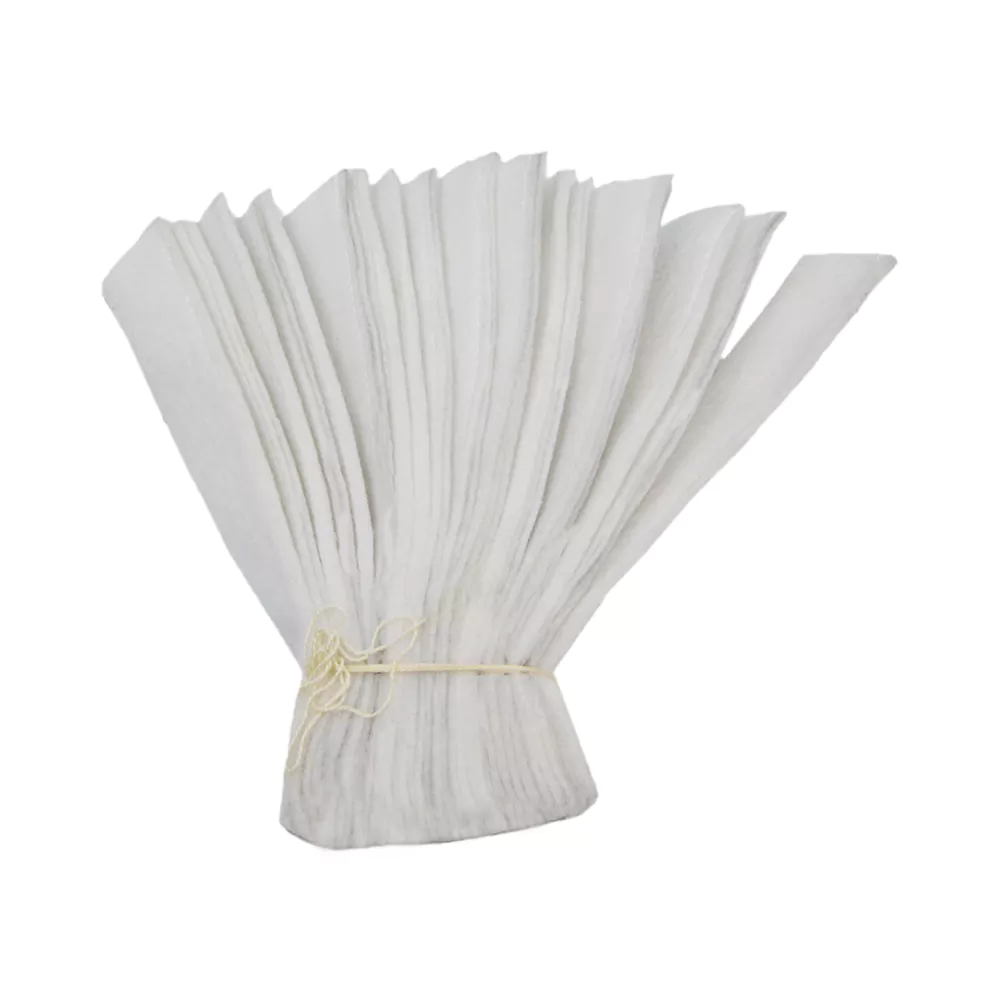
Polyester fiber is a synthetic fiber made primarily from polyester polymers, with polyethylene terephthalate (PET) being the most widely used polymer for fiber production. Manufacturers value polyester fiber for its strength, abrasion resistance, dimensional stability, low moisture absorption, and processing versatility. These properties make it useful not only for clothing and home textiles but also for industrial fabrics, reinforcement materials, ropes, conveyor components, and other technical applications.
Aluminum Extrusion Process: How Aluminum Profiles Are Made
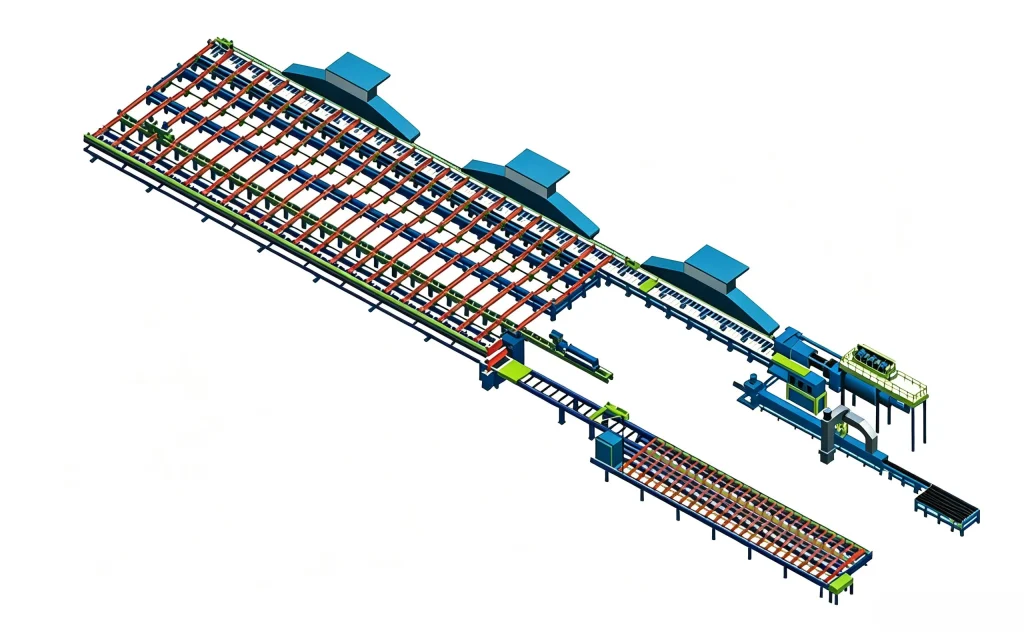
The aluminum extrusion process forces a heated aluminum billet through a shaped die to produce a continuous profile with a specific cross-section. The billet is heated until it becomes sufficiently soft and plastic for extrusion, but it remains solid rather than melting into a liquid. After the profile exits the die, manufacturers typically cool, stretch, cut, heat-treat, and finish it according to the required specifications.
Kevlar®: The Complete Guide to Properties, Types, Manufacturing and Uses
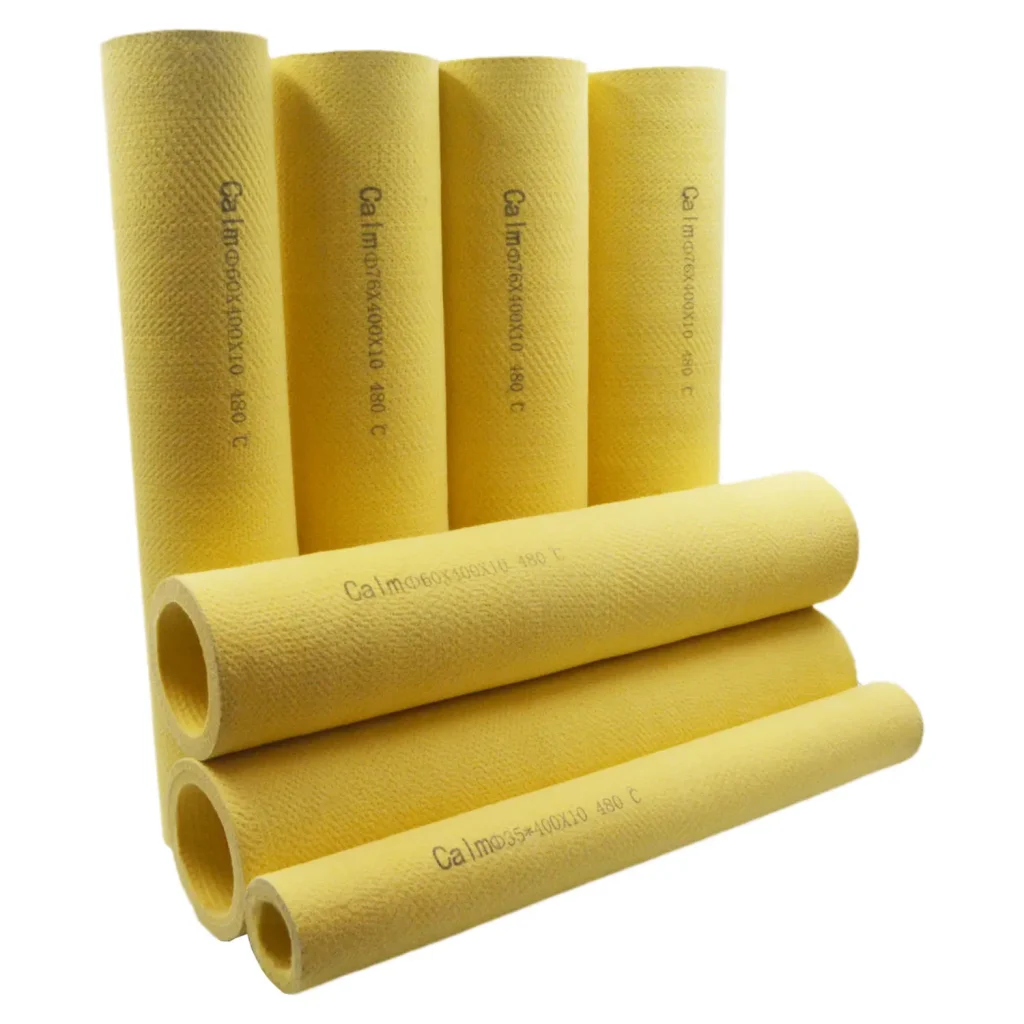
Kevlar® is a synthetic para-aramid fiber known for its high strength-to-weight ratio, thermal stability, abrasion resistance, and mechanical durability. Unlike natural fibers, Kevlar® is produced from synthetic aromatic polyamide polymers. Its combination of low weight and high mechanical performance makes it useful in protective equipment, industrial textiles, ropes and cables, composites, automotive components, aerospace applications, and many other demanding environments.
Kevlar® vs Nomex®: Key Differences in Strength, Heat and Flame Resistance
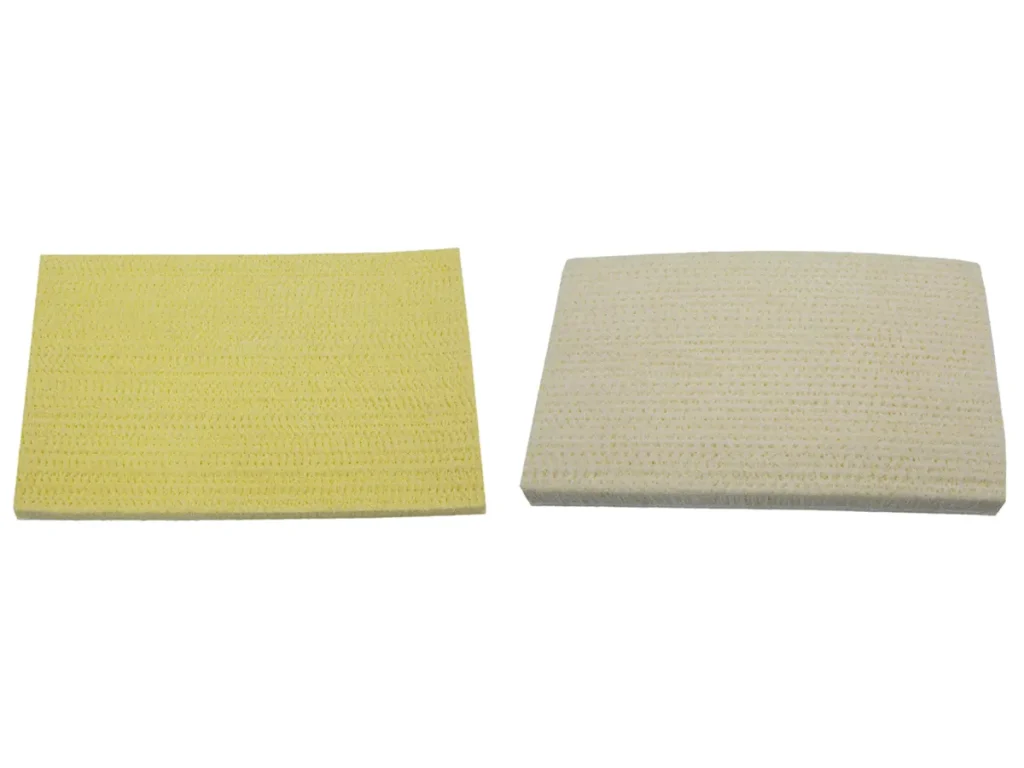
Kevlar® and Nomex® are both aramid fibers, but they belong to different aramid classes and provide different balances of mechanical strength, thermal stability, and flame resistance.
What Materials Are Used in Professional Heat Protection Handwear?
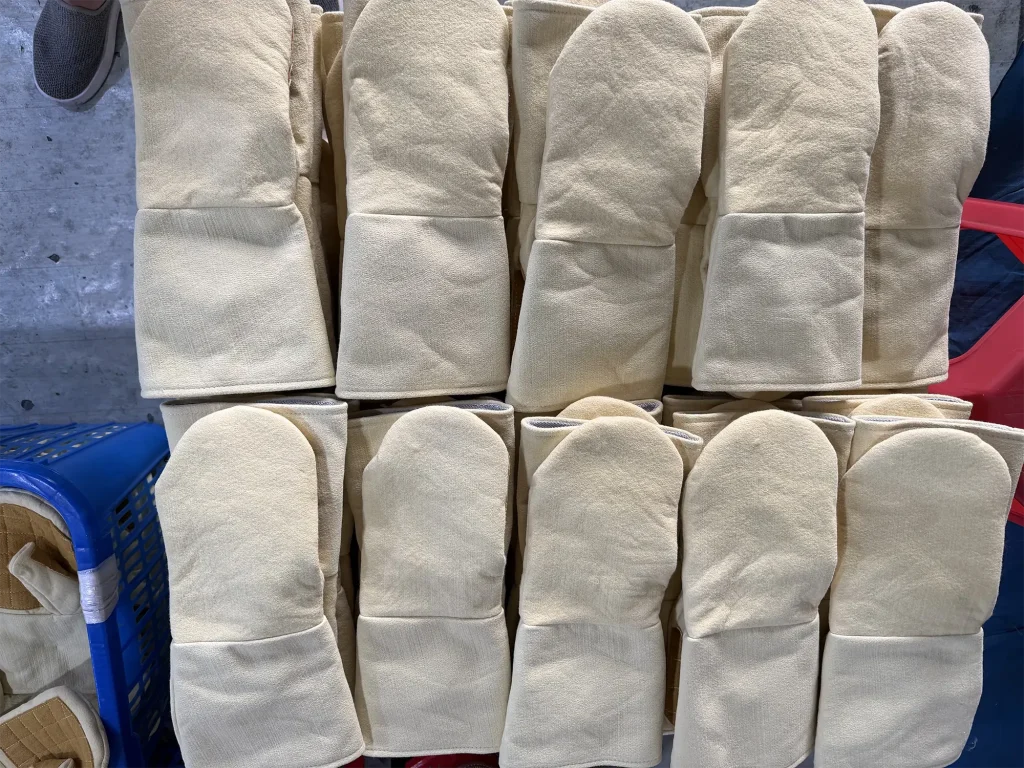
Professional heat protection handwear can use different materials depending on the heat source, exposure level, mechanical hazards, and required flexibility. Common materials include leather, aramid fibers such as Kevlar and Nomex, aluminized fabrics, and advanced high-temperature fibers such as PBO.
Which Heat Resistant Gloves Are Recommended for Welding Tasks? A Material Guide

Welding requires heat resistant gloves that can protect against high temperatures, sparks, molten metal, and mechanical hazards. The most suitable gloves depend on the welding method, heat exposure level, and required balance between protection and flexibility. Leather, Kevlar, and advanced heat-resistant fibers such as PBO are commonly used materials, each offering different advantages for specific welding environments.
What Are the Best Gloves for Extreme Heat? A Complete Guide to High-Temperature Protection
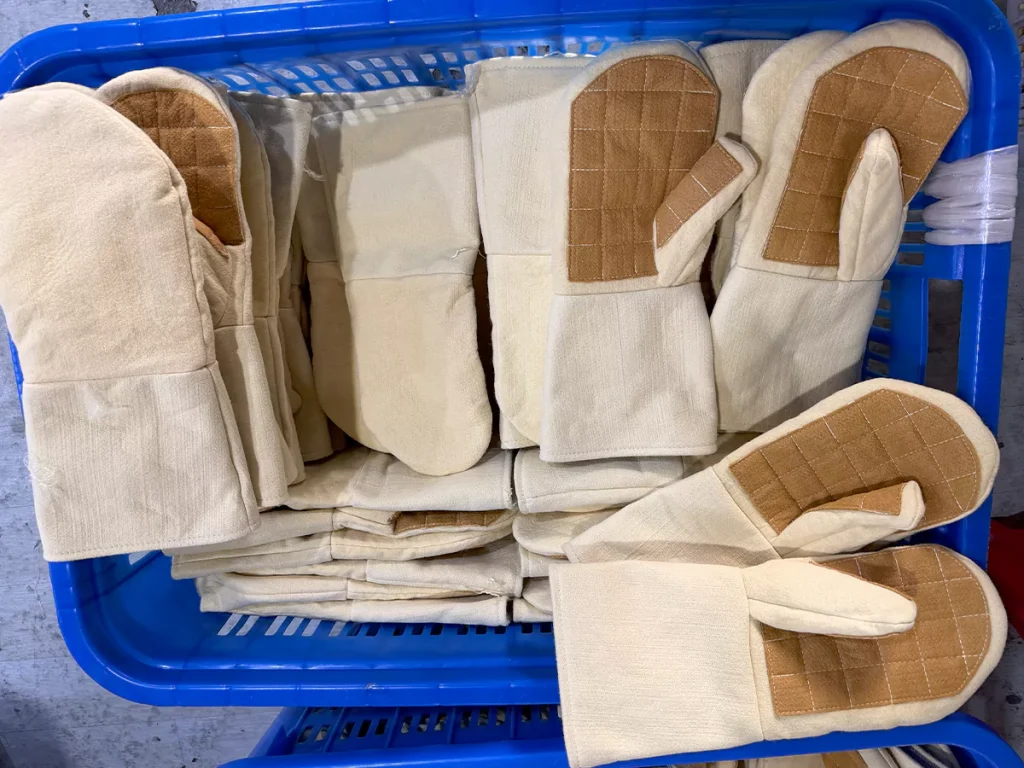
The best gloves for extreme heat depend on the type of heat exposure, working temperature, and application requirements. High-performance materials such as PBO, Kevlar, Nomex, aluminized fabrics, and leather are designed for different levels of thermal protection, mechanical stress, and working environments.
Nomex Felt: Properties, Applications, and Industrial Uses
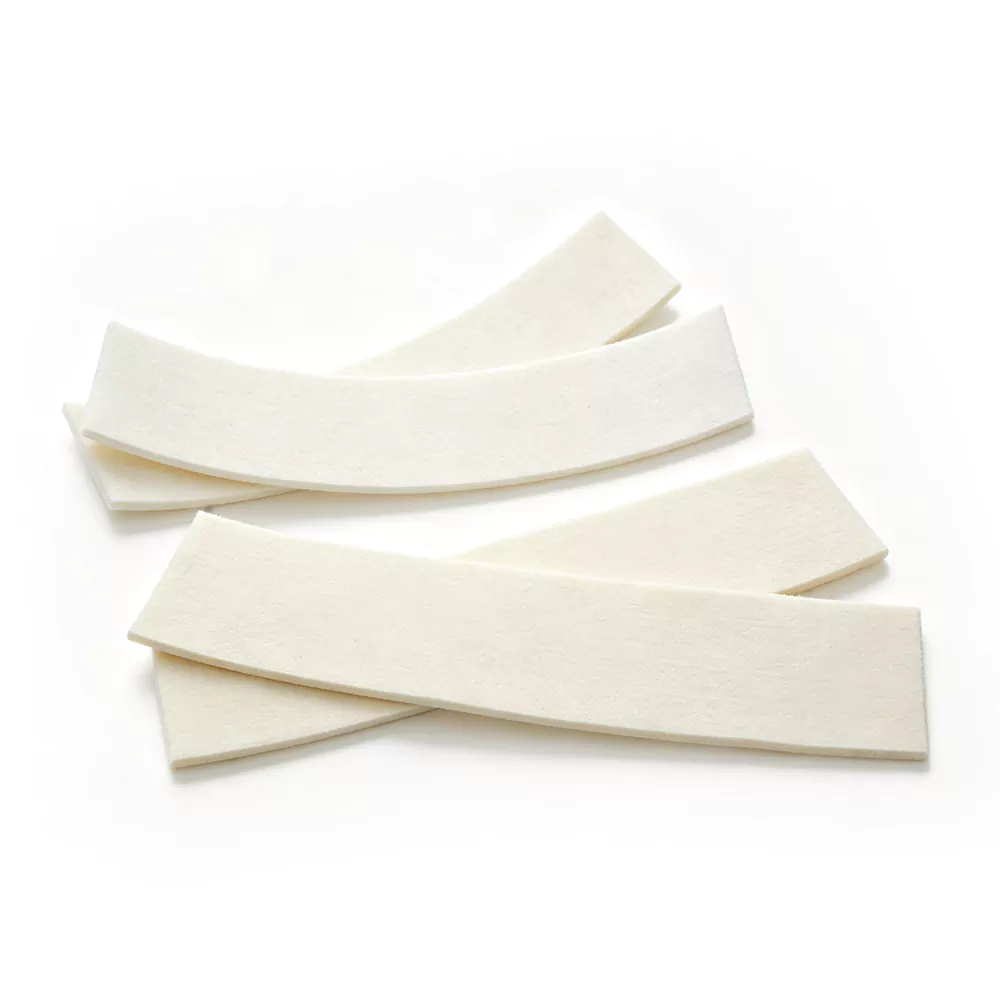
Nomex felt is a high-performance industrial felt made from Nomex® aramid fibers, known for its inherent flame resistance, thermal stability, and durability in demanding environments. Unlike conventional felt materials, Nomex felt maintains reliable performance when exposed to heat, friction, and continuous industrial operation, making it widely used in applications such as thermal protection, industrial insulation, metal processing, and high-temperature handling systems.
Kevlar Felt: Properties, Applications, and Industrial Uses
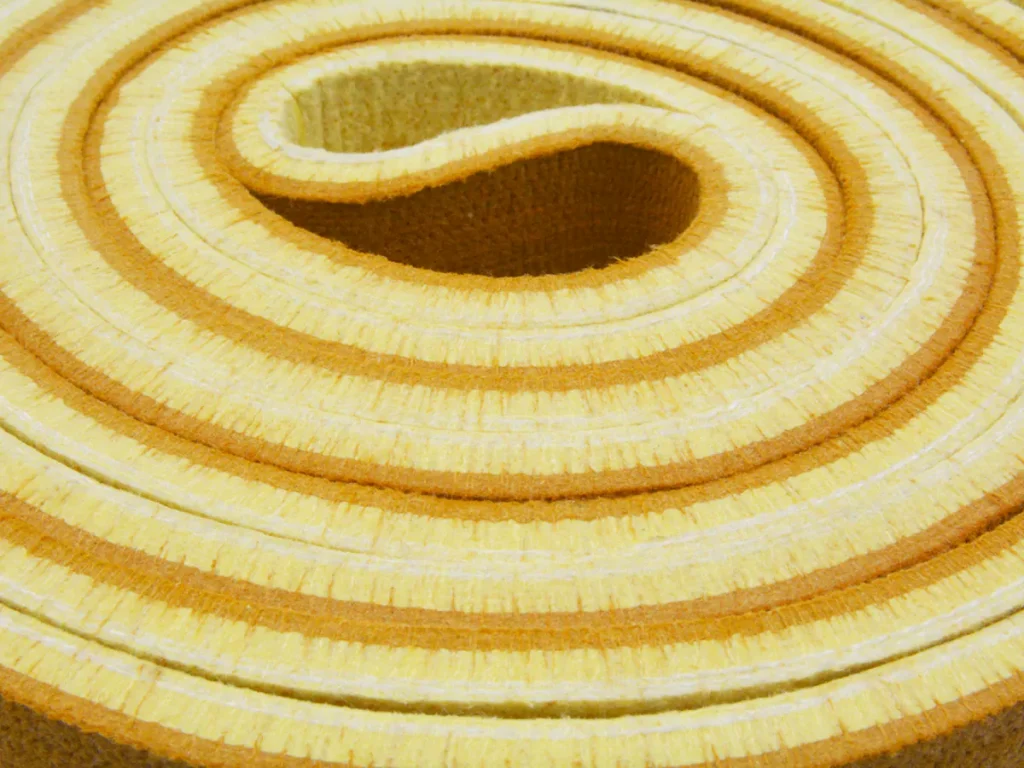
Kevlar felt is a high-performance industrial felt material made from para-aramid fibers, offering excellent heat resistance, high strength, abrasion resistance, and dimensional stability. It is widely used in demanding applications where conventional felt materials cannot withstand continuous mechanical stress or elevated temperatures.
PBO Fiber: Properties, Applications, and Industrial Uses
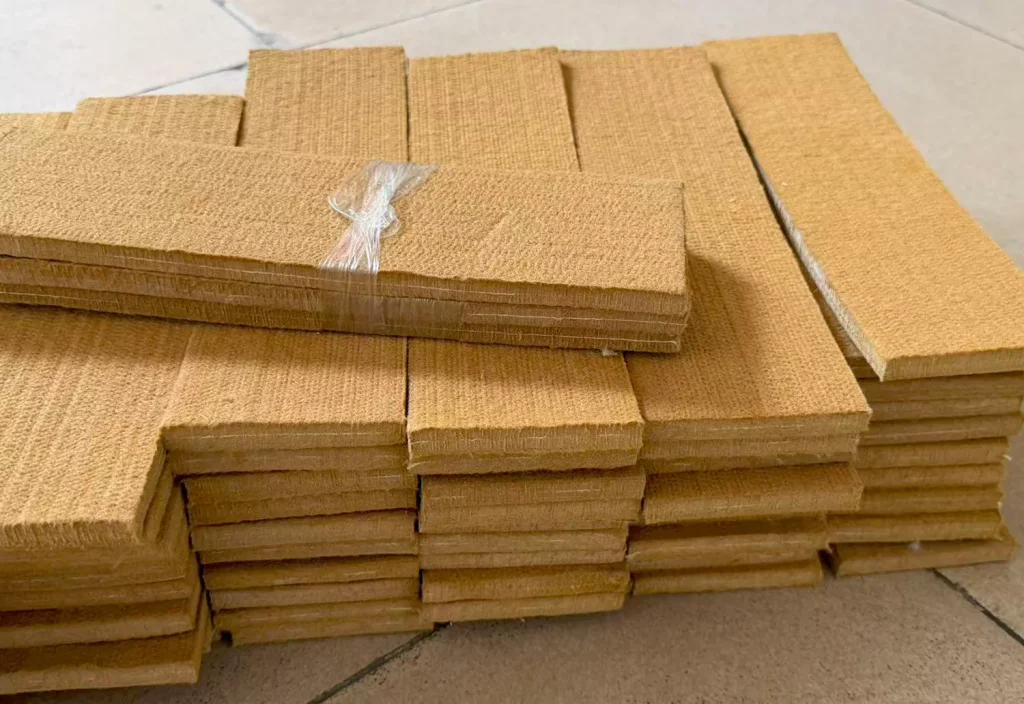
PBO fiber (Poly-p-phenylene benzobisoxazole fiber) is a high-performance synthetic fiber known for its exceptional strength, high modulus, flame resistance, and outstanding thermal stability. Originally developed for extreme-performance applications, PBO fiber can maintain its mechanical properties under temperatures far beyond the capabilities of many conventional fibers.