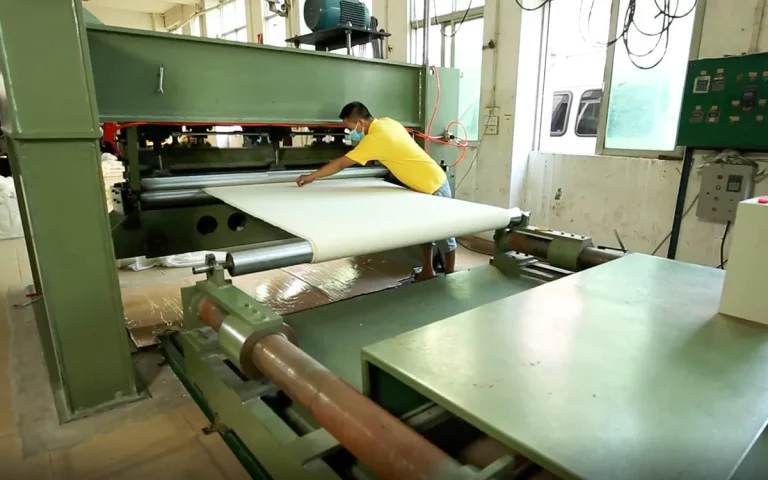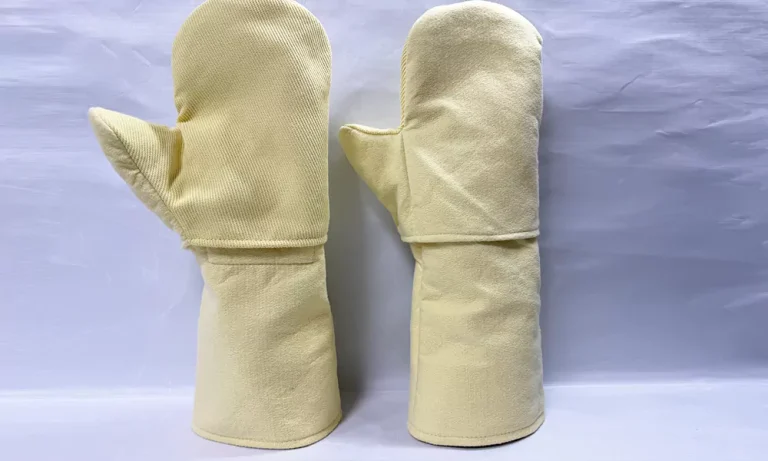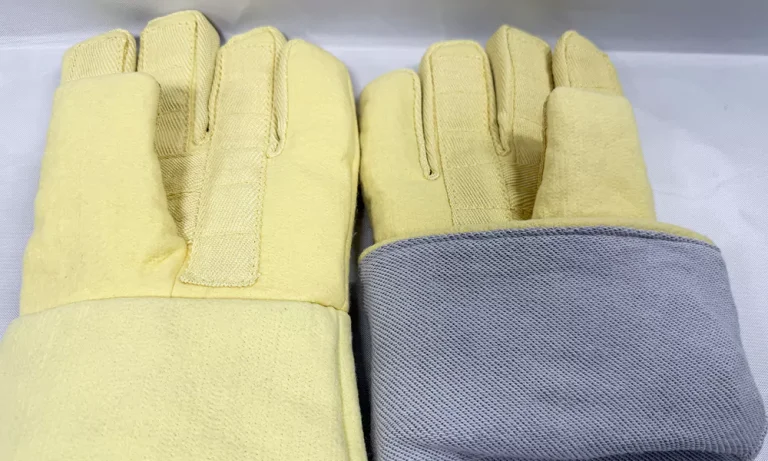
Conveyor belt manufacturers produce different types of belts for material handling, manufacturing, and specialized industrial processes. The right manufacturer depends on the belt material, operating temperature, conveying conditions, dimensions, and application requirements. For high-temperature and surface-sensitive applications, industrial felt belts provide a specialized solution that conventional rubber or plastic belts may not offer. This guide explains the main conveyor belt types, materials, applications, and key factors to consider when choosing a manufacturer, with a focus on industrial felt conveyor belts.
What Is a Conveyor Belt?
A conveyor belt is a continuous moving surface that transports materials or products from one location to another. Manufacturers design conveyor belts according to the material being conveyed, operating environment, conveying speed, temperature, load, and equipment configuration.
Different industries require different belt materials and constructions. A heavy-duty mining conveyor, for example, has very different requirements from a belt used to transport finished aluminum profiles.
For this reason, choosing a conveyor belt manufacturer involves more than comparing belt prices. Buyers need to match the belt’s material, construction, and performance with the production process.
What Types of Conveyor Belts Do Manufacturers Produce?
Conveyor belt manufacturers produce belts from various materials and in different constructions. The most suitable option depends on the application.
Rubber Conveyor Belts
Rubber conveyor belts are widely used for heavy-duty material handling. Their durability and resistance to abrasion make them suitable for applications involving bulk materials, mining, aggregates, and other demanding environments.
PVC Conveyor Belts
PVC belts are commonly used for general material handling and light- to medium-duty conveying. Manufacturers can produce them in different surface patterns and configurations to suit particular conveying requirements.
PU Conveyor Belts
Polyurethane belts offer a combination of flexibility, wear resistance, and cleanability. Industries such as food processing, packaging, and light manufacturing commonly use PU conveyor belts where hygiene and surface characteristics matter.
Fabric Conveyor Belts
Fabric conveyor belts use textile reinforcement to provide the required strength and flexibility. Manufacturers can combine different cover and reinforcement materials according to the application.
Modular Conveyor Belts
Modular belts use interlocking plastic modules that allow manufacturers to configure the belt for particular conveyor systems. They are common in processing, packaging, and material-handling applications.
Felt Conveyor Belts
Felt conveyor belts use industrial felt as the primary belt or contact material. Manufacturers can produce them from different felt materials to meet requirements for temperature resistance, surface protection, flexibility, and specialized material handling.
Unlike conventional rubber or plastic conveyor belts, industrial felt belts often serve applications where controlled contact and heat resistance are particularly important.
What Materials Do Conveyor Belt Manufacturers Use?
The belt material directly affects its performance, service life, and suitability for a particular production environment.
Common materials include:
- Rubber
- PVC
- Polyurethane
- Fabric
- Plastic
- Industrial felt
Industrial felt stands out for specialized applications because manufacturers can select different fiber materials according to operating temperature and process requirements.
For example, high-temperature applications may require PBO or Kevlar felt, while lower-temperature applications may use Nomex or polyester felt.
This material flexibility allows manufacturers to develop belts for different temperature zones and production processes.
What Is a Felt Conveyor Belt?
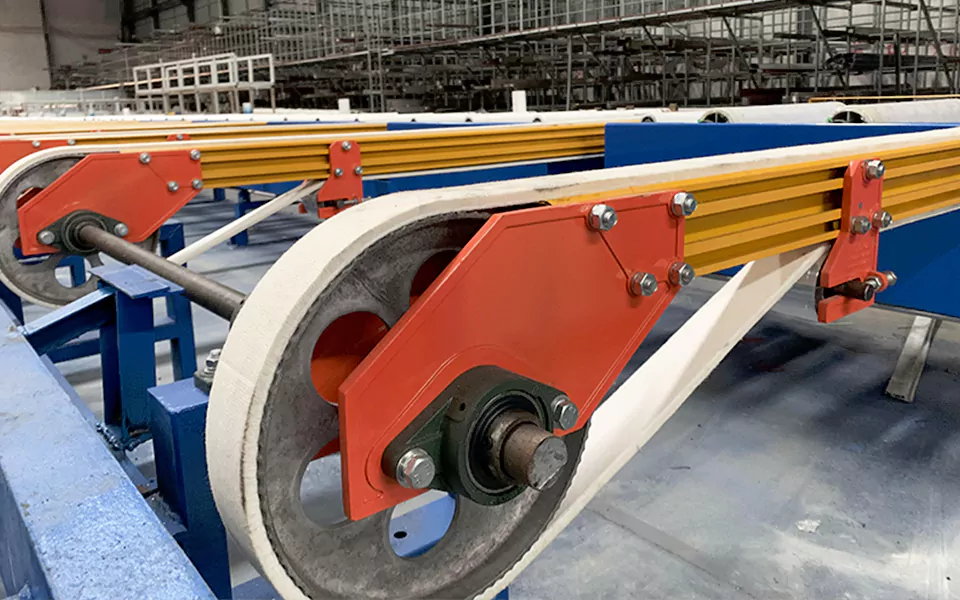
A felt conveyor belt uses industrial felt to provide a continuous conveying or contact surface. Manufacturers can produce felt belts in different materials, thicknesses, widths, lengths, and constructions to match specific equipment requirements.
Felt conveyor belts are particularly useful when a production process requires:
- High temperature resistance
- Controlled surface contact
- Reduced risk of surface marks
- Material handling at elevated temperatures
- Customized dimensions
- Endless or seamless construction
The term felt conveyor belt covers a range of industrial products rather than one standardized belt type. The appropriate material and construction depend on the equipment and operating conditions.
What Are the Advantages of Industrial Felt Belts?
Industrial felt belts provide several characteristics that make them suitable for specialized conveying applications.
High Temperature Resistance
Temperature is one of the most important factors when selecting an industrial felt belt.
Different felt materials provide different levels of heat resistance. This allows manufacturers to select a suitable material for different temperature zones rather than using one material throughout an entire production line.
For example, CALM offers several industrial felt materials for different operating conditions:
| Felt Material | Working Temperature* | Typical Position/Application |
|---|---|---|
| PBO | Up to 600°C | High-temperature zones |
| Kevlar | Up to 480°C | High-temperature applications |
| Nomex | Up to 280°C | Medium-temperature applications |
| Polyester | Up to 180°C | Lower-temperature applications |
*Actual performance depends on the operating environment and application conditions.
Selecting the material according to the actual operating temperature helps prevent premature wear and ensures that the belt matches the production process.
Surface Protection
Some manufactured products require more careful handling than others.
Finished aluminum profiles, polished surfaces, and other surface-sensitive products can develop scratches or marks if they come into contact with unsuitable conveying surfaces.
Industrial felt provides a relatively soft contact surface that can help reduce the risk of surface damage during material handling.
This makes felt belts particularly relevant to production environments where product appearance and surface quality matter as much as conveying performance.
Customized Dimensions
Industrial equipment rarely follows a single universal belt size.
Manufacturers may need to customize:
- Belt width
- Belt length
- Belt thickness
- Endless circumference
- Belt construction
Custom dimensions allow the belt to fit the existing conveyor system rather than forcing the equipment to accommodate a standard belt size.
Endless and Seamless Construction
Many industrial applications require continuous belts without conventional joints.
An endless or seamless felt belt can provide a continuous contact surface and help the belt operate consistently around the conveyor system.
The appropriate construction depends on the conveyor design and the manufacturer’s production capabilities.
Different Materials for Different Applications
Industrial felt is not a single material.
Manufacturers can select different fibers according to:
- Operating temperature
- Product characteristics
- Contact conditions
- Conveyor position
- Production speed
- Expected service conditions
This flexibility gives industrial felt belts an advantage in specialized applications where a standard conveyor belt may not provide the required combination of heat resistance and surface protection.
Where Are Felt Conveyor Belts Used?
Felt belts can serve a range of industrial applications, but their suitability depends on the specific process and operating conditions.
Aluminum Extrusion
Aluminum extrusion is one of the most important applications for industrial felt belts.
During extrusion, aluminum profiles move through several stages, including:
- Extrusion
- Run-out
- Cooling
- Stretching
- Cutting
- Packing and inspection
Manufacturers use felt belts and other felt products in selected areas of these production lines to provide controlled contact with aluminum profiles.
This becomes particularly important when manufacturers produce:
- Anodized aluminum profiles
- Polished aluminum profiles
- Architectural aluminum
- Other surface-sensitive aluminum products
A suitable felt belt can help reduce direct contact between the finished profile and harder surfaces during conveying.
High-Temperature Material Handling
Some industrial production processes expose conveyor belts to elevated temperatures.
In these environments, manufacturers need to consider not only the belt’s physical dimensions but also its temperature resistance.
PBO and Kevlar felt can serve higher-temperature applications, while Nomex and polyester can suit lower-temperature operating conditions.
The manufacturer should select the felt material according to the actual temperature at the belt’s working position rather than relying solely on the nominal process temperature.
Surface-Sensitive Material Handling
Manufacturers handling finished or polished materials may need to minimize contact marks and scratches.
Industrial felt belts can provide a softer interface between the conveyor system and the product.
This makes them relevant to applications where manufacturers need to balance:
Conveying performance + temperature resistance + surface protection
Felt Belt Materials: PBO vs. Kevlar vs. Nomex vs. Polyester
Selecting the right felt material is one of the most important decisions when ordering an industrial felt belt.
PBO Felt Belt
PBO felt provides the highest temperature capability among the felt materials offered by CALM, with a working temperature of up to 600°C under the specified application conditions.
It is suitable for demanding high-temperature areas where conventional felt materials may not provide sufficient temperature resistance.
Kevlar Felt Belt
Kevlar felt provides high-temperature performance and is widely relevant to demanding industrial applications.
CALM’s Kevlar felt products can operate at temperatures of up to 480°C under the specified conditions, making them suitable for high-temperature material handling applications.
Nomex Felt Belt
Nomex provides a lower temperature range than PBO and Kevlar while still offering heat resistance for medium-temperature applications.
CALM specifies a working temperature of up to 280°C for its Nomex felt products.
Polyester Felt Belt
Polyester felt is suitable for lower-temperature applications where extreme heat resistance is not required.
CALM specifies a working temperature of up to 180°C for its polyester felt products.
The right material should always come from the actual operating conditions rather than simply selecting the material with the highest temperature rating.
How to Choose the Right Conveyor Belt Manufacturer
Choosing a manufacturer is particularly important when you need a customized industrial belt.
A supplier should do more than manufacture a belt to a given size. The manufacturer should understand how the belt interacts with the equipment and production process.
1. Check Material Expertise
Ask whether the manufacturer has experience with the materials required for your application.
For industrial felt belts, this may include:
- PBO
- Kevlar
- Nomex
- Polyester
A manufacturer with knowledge of different felt materials can help match the material with the operating temperature and application.
2. Check Customization Capability
Standard dimensions may not fit specialized production equipment.
Before placing an order, confirm whether the manufacturer can customize:
- Width
- Length
- Thickness
- Circumference
- Construction
- Material
This is particularly important when replacing an existing belt.
3. Consider Application Experience
A manufacturer should understand the application rather than only the product.
For example, a felt belt used on an aluminum extrusion line may face very different requirements from a belt used in a lower-temperature material-handling system.
Providing information about the equipment and production process allows the manufacturer to recommend a more suitable solution.
4. Review Quality Control
Ask how the manufacturer controls product quality during production.
Depending on the product, quality control may include:
- Raw material inspection
- Dimensional inspection
- Surface inspection
- Construction inspection
- Finished product inspection
Consistent manufacturing is particularly important for endless industrial belts because dimensional variation can affect installation and operation.
5. Evaluate Communication and Technical Support
A good manufacturer should be able to communicate clearly about:
- Material selection
- Dimensions
- Operating temperature
- Application requirements
- Customization
- Delivery requirements
For customized industrial products, clear technical communication can prevent incorrect specifications and unnecessary replacement costs.
What Specifications Should You Provide When Ordering a Felt Belt?
When requesting a quotation, providing complete technical information can help the manufacturer recommend the right belt more efficiently.
Belt Dimensions
Provide:
- Width
- Length or circumference
- Thickness
If you are replacing an existing belt, photographs and measurements of the original belt can also help clarify the requirements.
Operating Temperature
Tell the manufacturer the approximate temperature at the belt’s actual working position.
If the temperature changes across the production line, provide the temperature range for the specific conveyor section.
Equipment Information
Useful information includes:
- Machine or conveyor type
- Conveyor position
- Roller dimensions
- Conveyor speed
- Product dimensions
- Product weight
The more information you provide, the easier it becomes to match the belt to the equipment.
Material Requirements
If you already know the required material, specify it:
- PBO
- Kevlar
- Nomex
- Polyester
If you are unsure, provide the operating conditions and application instead. A specialized manufacturer can then evaluate the appropriate material.
Construction Requirements
Specify whether you require:
- Endless belt
- Seamless belt
- Special surface treatment
- Specific thickness
- Other customized construction
Why Choose a Specialized Industrial Felt Belt Manufacturer?
A general conveyor belt supplier may offer a wide range of standard belts, but specialized applications often require a different approach.
An industrial felt manufacturer can focus on the factors that directly affect felt belt performance:
Material Selection
Different fibers provide different temperature and performance characteristics.
Application Matching
The manufacturer can consider how the belt operates within the production line.
Customized Dimensions
The manufacturer can produce the belt according to the required equipment dimensions.
High-Temperature Solutions
Specialized felt materials can address demanding temperature conditions.
Surface Protection
Felt can provide controlled contact for products where scratches and surface marks are a concern.
For these reasons, buyers looking for a specialized felt conveyor belt should evaluate a manufacturer’s material expertise and customization capabilities, rather than comparing suppliers solely by price.
CALM Industrial Felt Belt Solutions
CALM specializes in industrial felt products and provides felt belts for specialized production and material-handling applications.
Its felt belt range includes PBO, Kevlar, Nomex, and polyester, allowing customers to select materials according to operating temperature and application requirements.
CALM also provides customized belt dimensions and constructions to match different equipment configurations.
For aluminum extrusion applications, CALM’s industrial felt products can support different stages of the production process, including run-out, cooling, stretching, cutting, and other material-handling operations.
In addition to felt belts, CALM manufactures other industrial felt products such as felt rollers, felt pads, and felt spacer sleeves, providing manufacturers with additional options for surface protection and high-temperature material handling.
FAQs
1. What is a felt conveyor belt?
A felt conveyor belt uses industrial felt as its conveying or contact material. Manufacturers can customize its material, dimensions, thickness, and construction according to the application.
2. What is an industrial felt belt used for?
Industrial felt belts are used for specialized conveying and material-handling applications where heat resistance, controlled surface contact, or product protection is important.
3. Are felt conveyor belts heat resistant?
Yes. The temperature resistance depends on the felt material. PBO, Kevlar, Nomex, and polyester provide different temperature capabilities and should be selected according to the actual operating conditions.
4. What is the difference between PBO and Kevlar felt belts?
PBO and Kevlar both provide high-temperature resistance, but their temperature capabilities differ. CALM specifies up to 600°C for PBO and up to 480°C for Kevlar under the applicable conditions.
5. Can industrial felt belts be customized?
Yes. Manufacturers can customize factors such as material, width, length, thickness, circumference, and construction according to equipment and application requirements.
6. Are felt belts suitable for aluminum extrusion?
Yes. Felt belts are commonly used in specialized aluminum extrusion material-handling applications, particularly where manufacturers need controlled contact with aluminum profiles and resistance to elevated temperatures.
7. How do I choose the right felt belt material?
Start with the actual operating temperature, conveyor position, product characteristics, and equipment requirements. Then select a suitable felt material and belt construction based on these conditions.
8. What should I provide when requesting a felt belt quotation?
Provide the belt dimensions, operating temperature, equipment information, application, required material if known, and any special construction or surface requirements. This information helps the manufacturer provide a more accurate recommendation.
Conclusion
Choosing the right conveyor belt manufacturer starts with the application, not simply the belt price. For specialized conveying environments that require heat resistance and controlled surface contact, an industrial felt belt can provide advantages over conventional belt materials. PBO, Kevlar, Nomex, and polyester offer different performance levels for different operating conditions.
Need a custom industrial felt belt? Contact CALM [email protected] with your belt dimensions, operating temperature, and application requirements.