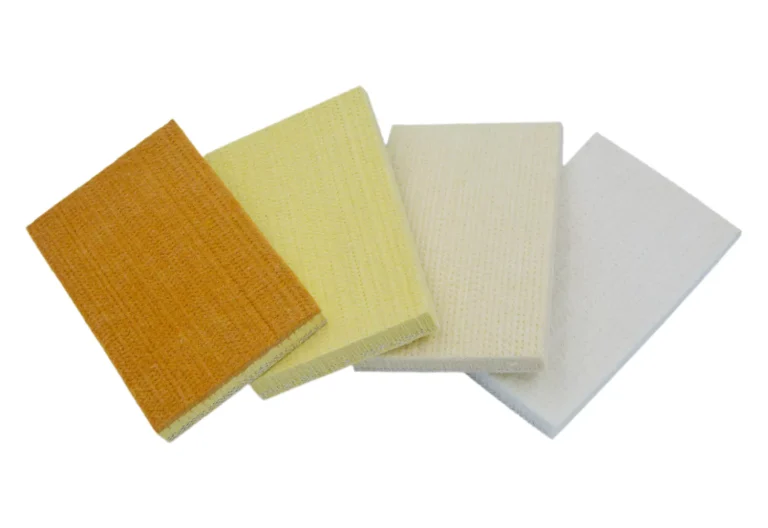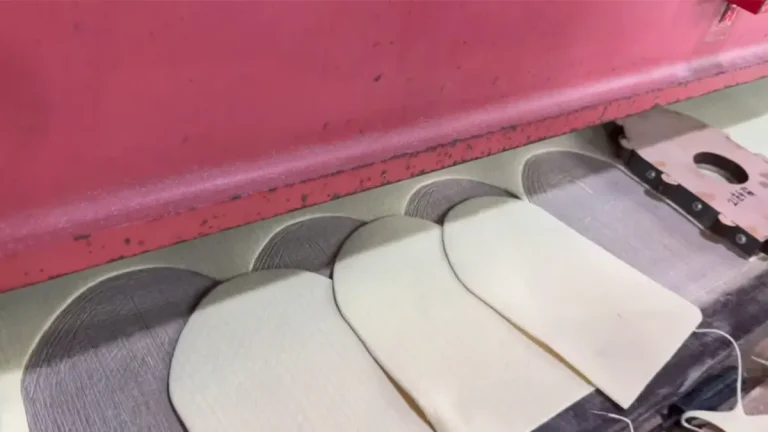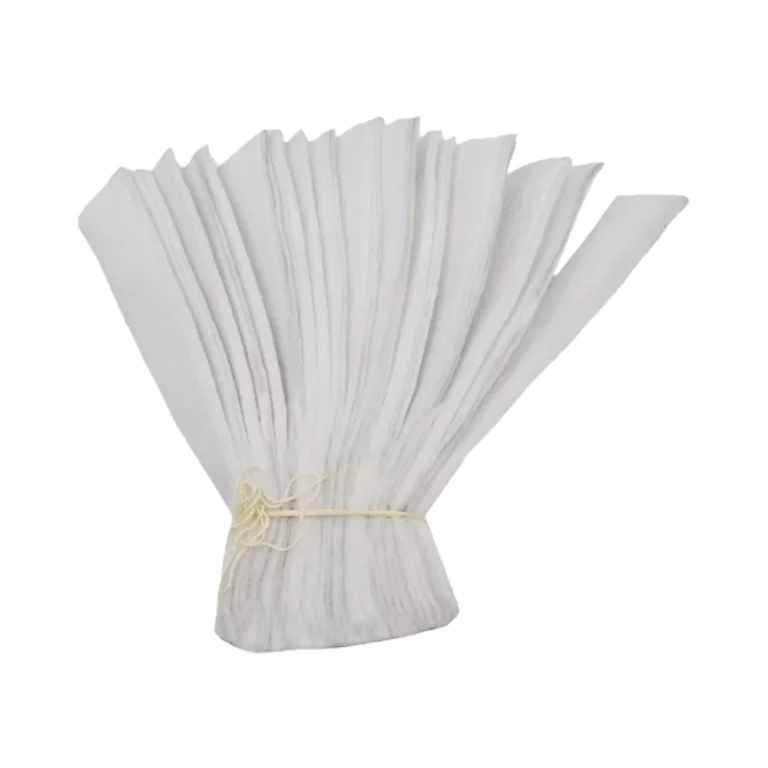
Professional heat protection handwear can use different materials depending on the heat source, exposure level, mechanical hazards, and required flexibility. Common materials include leather, aramid fibers such as Kevlar and Nomex, aluminized fabrics, and advanced high-temperature fibers such as PBO.
However, professional heat protection does not depend on the material alone. Glove construction, material thickness, insulation, exposure time, and the location of the highest heat load all affect the protection a glove can provide. For demanding applications, manufacturers may also combine materials to reinforce specific areas rather than making the entire glove from a single fiber.
What Materials Are Used in Professional Heat Protection Handwear?
Different materials provide different types of protection. Some primarily resist heat and flames, while others provide mechanical strength, abrasion resistance, or reflection of radiant heat.
Kevlar
Kevlar is a para-aramid fiber that combines high strength, heat resistance, and durability. These properties make it a common choice for industrial protective gloves that need to withstand both thermal and mechanical stress.
In heat resistant gloves, Kevlar can serve as the primary material because it provides a useful combination of:
- Heat resistance
- High tensile strength
- Abrasion resistance
- Mechanical durability
This makes Kevlar suitable for demanding applications where workers may handle hot materials while also facing friction, impact, or sharp edges.
Nomex
Nomex is a meta-aramid fiber widely used for flame-resistant protection. Its fiber structure provides inherent resistance to ignition and supports thermal stability under elevated temperatures.
Manufacturers commonly use Nomex in applications where flame exposure is a major concern. Its role differs from Kevlar, which is often selected when mechanical strength and durability are also important requirements.
The choice between aramid materials therefore depends on the specific hazards rather than simply which material has the highest temperature resistance.
Leather
Leather remains a widely used material for general heat and welding protection because it provides good abrasion resistance, mechanical durability, and a relatively comfortable feel.
Leather can work well in applications involving sparks, hot materials, and general welding hazards. However, applications involving prolonged or extreme thermal exposure may require more specialized high-performance fibers or layered constructions.
Aluminized Fabrics
Aluminized fabrics approach heat protection differently from many heat-resistant fibers. Their reflective surface can help reflect radiant heat away from the wearer.
This makes aluminized materials particularly useful in environments where radiant heat represents a significant hazard, such as certain furnace, foundry, glass, and metal-processing operations.
However, reflecting radiant heat and resisting direct contact with a hot surface are different protective functions. The material selection should therefore match the actual type of heat exposure.
PBO
PBO, or polybenzobisoxazole, is an advanced high-performance fiber that delivers outstanding thermal stability and strength retention in extreme temperature environments.
PBO can provide a higher level of thermal performance for applications where conventional heat-resistant materials may not provide sufficient protection.
Rather than assuming that an entire glove must consist of PBO, manufacturers can also use PBO strategically in areas exposed to particularly high thermal loads.
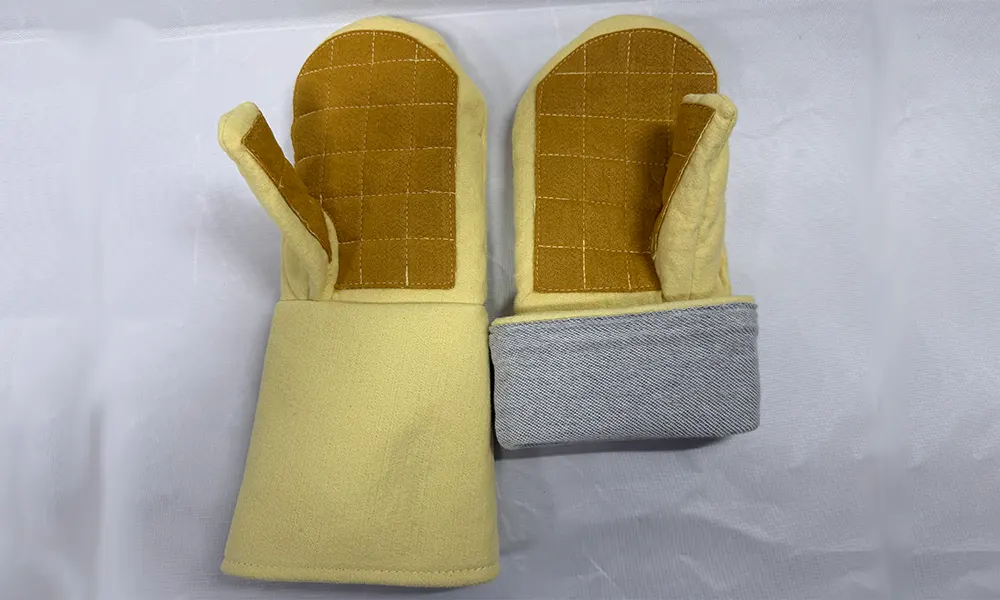
Why Is Kevlar Commonly Used as the Main Material?
A professional heat resistant glove needs more than thermal resistance. It also needs to withstand repeated handling, friction, and mechanical stress.
Kevlar offers a useful combination of thermal and mechanical properties, which allows it to function effectively as the main material in many industrial heat resistant gloves.
For example, a glove may need to protect the hand while the operator:
- Handles hot metal
- Works around heated equipment
- Moves abrasive materials
- Performs repetitive industrial operations
Using a durable material such as Kevlar as the primary structure can provide broad protection across the glove rather than concentrating protection only in one location.
This approach also allows manufacturers to reinforce specific areas when the application creates additional thermal demands.
Why Add PBO Reinforcement to Heat Resistant Gloves?
Not every part of a glove experiences the same level of heat.
Depending on the application, certain areas may receive greater thermal exposure because they are closer to the heat source or make more frequent contact with hot materials.
Manufacturers can address this by adding PBO reinforcement to selected areas while retaining Kevlar as the main glove material.
This creates a material structure based on:
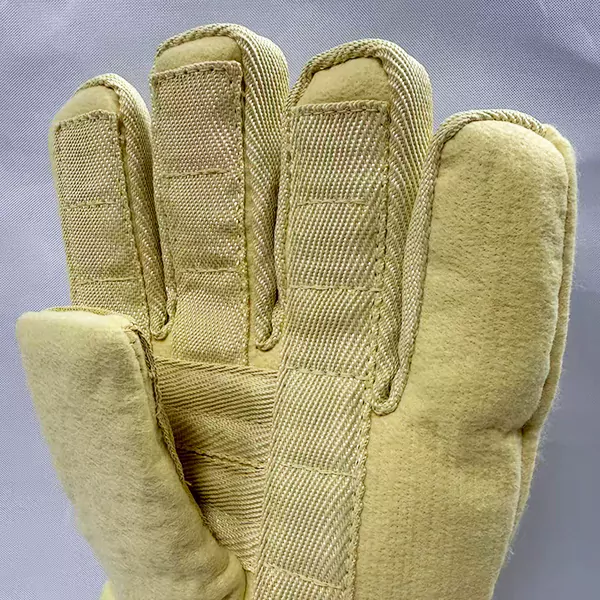
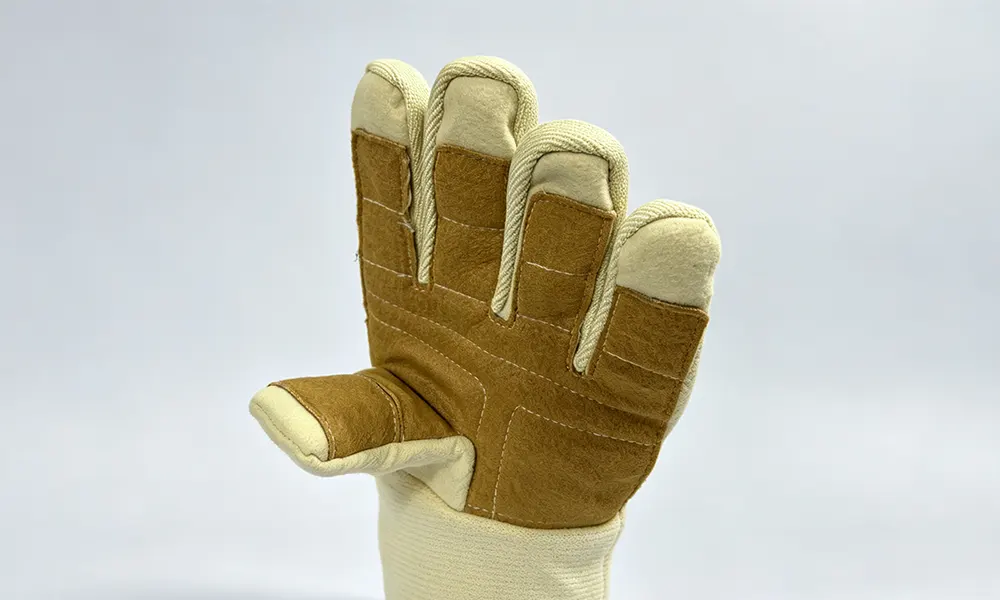
Kevlar base material + targeted PBO reinforcement
The purpose is not simply to replace Kevlar with PBO. Instead, PBO can strengthen the thermal protection of areas where the application creates a higher heat load.
For example, manufacturers may reinforce specific areas around the palm, fingertips, or other application-specific contact zones, depending on the glove design and working conditions.
This approach can provide a practical balance between overall durability and targeted high-temperature protection.
Are PBO Heat Resistant Gloves Made Entirely from PBO?
Not necessarily.
The term “PBO heat resistant glove” does not automatically mean that the entire glove uses PBO as its only material. Glove construction varies according to the intended application and manufacturer.
A glove can use Kevlar as its primary material and incorporate PBO into selected high-temperature areas. This construction allows the manufacturer to place advanced thermal protection where it provides the greatest benefit.
For demanding industrial applications, the more useful question is therefore not simply:
Which material has the highest temperature resistance?
Instead, consider:
Where does the glove experience the greatest thermal load, and which material can provide the appropriate protection in that area?
This application-based approach helps manufacturers design protection around the actual working conditions.
Kevlar Gloves vs. Kevlar Gloves with PBO Reinforcement
The difference between a standard Kevlar glove and a Kevlar glove with PBO reinforcement mainly concerns how the material is distributed within the glove.
| Feature | Kevlar Gloves | Kevlar + PBO Reinforcement |
|---|---|---|
| Main material | Kevlar | Kevlar |
| Reinforcement | Kevlar construction | PBO in selected areas |
| Thermal protection | High | Enhanced in reinforced areas |
| Mechanical durability | High | High |
| Target application | High-temperature industrial handling | Applications with higher thermal loads in specific areas |
| Material approach | Consistent Kevlar construction | Targeted thermal reinforcement |
Neither construction is universally better. A standard Kevlar glove may provide sufficient protection for many applications, while a Kevlar glove with PBO reinforcement can provide additional protection where certain areas experience more severe heat exposure.
How Does the Working Environment Affect Material Selection?
Choosing a heat resistant glove requires more than knowing the material’s maximum temperature capability.
Heat Source
First identify the type of heat involved:
- Direct contact heat
- Radiant heat
- Convective heat
- Flame exposure
- Hot particles or molten material
Different materials perform differently against these hazards.
Exposure Time
The duration of heat exposure also matters. Short-term contact with a hot surface creates different requirements from continuous exposure during an industrial process.
A material’s laboratory temperature performance should therefore not be treated as a direct prediction of how long a worker can safely handle a specific hot object.
Mechanical Stress
Workers may also need protection from:
- Abrasion
- Sharp edges
- Repeated friction
- Handling forces
This is one reason manufacturers often select materials such as Kevlar that provide both thermal and mechanical performance.
Required Flexibility
Protection must also support the operator’s movements.
A glove designed for extreme heat may require more material or reinforcement, but excessive thickness can reduce dexterity. Manufacturers therefore need to balance thermal protection with the hand movement required for the application.
How Are Professional Heat Protection Gloves Constructed?
A professional heat resistant glove can use different materials in different layers or locations rather than relying on a single material throughout the entire product.
A typical design may involve:
Main glove material → Thermal reinforcement → Insulation → Inner lining
Each component can serve a different purpose.
The outer material may provide mechanical durability and thermal resistance. A reinforcement layer can increase protection in high-stress or high-temperature areas. Insulation can slow heat transfer, while an inner lining can improve comfort during extended use.
The exact construction depends on the application and required performance.
This is why comparing gloves only by their fiber name can provide an incomplete picture. Two gloves made from the same fiber may perform differently because of differences in thickness, construction, reinforcement, and exposure conditions.
How Should You Choose the Right Heat Protection Glove Material?
Start with the actual working conditions rather than choosing a material based only on its reputation.
Consider these factors:
1. What temperature will the glove encounter?
Determine the approximate temperature of the hot material or heat source.
2. How long will the exposure last?
Short contact and prolonged exposure create different protection requirements.
3. What type of heat is involved?
Identify whether the main hazard comes from contact, radiation, flame, convection, or hot particles.
4. Which part of the glove experiences the most heat?
If certain areas receive significantly higher thermal exposure, targeted reinforcement may provide a more appropriate solution than increasing the thickness of the entire glove.
5. Does the application also require mechanical protection?
If workers handle abrasive or sharp materials, strength and abrasion resistance become important alongside thermal protection.
6. How much flexibility does the operator need?
Applications involving precise hand movements require a different balance between protection and dexterity than heavy-duty handling operations.
Is One Heat-Resistant Material Better Than Another?
There is no single material that provides the best protection for every application.
Kevlar offers a strong combination of heat resistance, strength, and durability. Nomex provides inherent flame resistance and thermal stability. Leather offers reliable mechanical protection for many general applications, while aluminized fabrics can help manage radiant heat. Advanced fibers such as PBO can provide additional thermal performance in extreme heat environments.
The most suitable solution depends on the actual heat source, exposure duration, mechanical hazards, and glove construction.
For demanding applications, manufacturers can also combine materials rather than relying on one material across the entire glove. A Kevlar glove with targeted PBO reinforcement, for example, can provide broad mechanical and thermal protection while adding enhanced protection to areas exposed to higher thermal loads.
FAQs
There is no universally best material. Kevlar, Nomex, leather, aluminized fabrics, and PBO each provide different protective properties. The appropriate choice depends on the heat source, exposure time, mechanical hazards, and required flexibility.
Yes. Kevlar combines heat resistance with high strength and abrasion resistance, making it suitable for many industrial heat protection applications.
Manufacturers can use PBO to reinforce areas that experience particularly high thermal loads. This approach provides targeted thermal protection without necessarily making the entire glove from PBO.
Not necessarily. Some PBO heat resistant gloves use Kevlar as the primary material and PBO as reinforcement in selected areas. The exact construction depends on the application and glove design.
Heat resistance refers to a material’s ability to withstand elevated temperatures without losing its required performance. Flame resistance concerns how the material behaves when exposed directly to flame or ignition. A material may perform differently under these different forms of thermal exposure.
Conclusion
Professional heat protection handwear does not rely on one universal material. Kevlar provides a strong foundation for gloves that require both thermal and mechanical protection, while PBO can reinforce areas exposed to particularly high thermal loads. Other materials serve different purposes depending on the working environment.
The right solution ultimately depends on the heat source, exposure duration, mechanical stress, and required hand mobility. By matching the material and glove construction to the actual application, manufacturers can provide more targeted and reliable heat protection.
Looking for the right material or heat resistant glove solution for your application? Contact CALM at [email protected] to discuss your specific requirements.