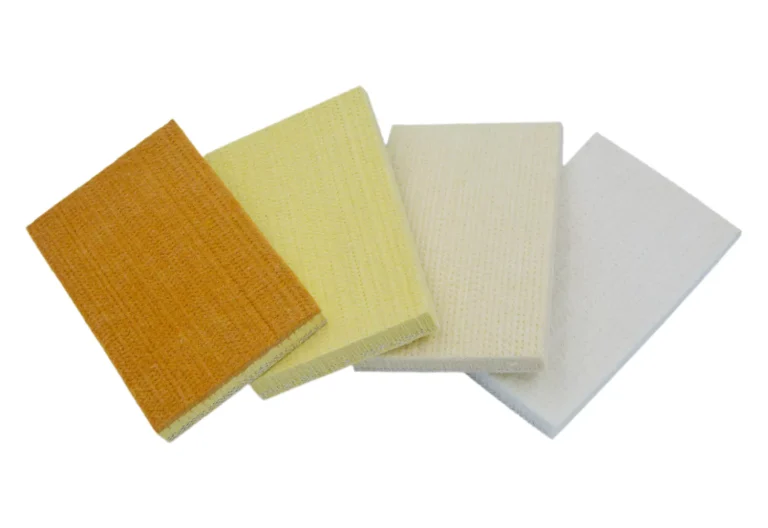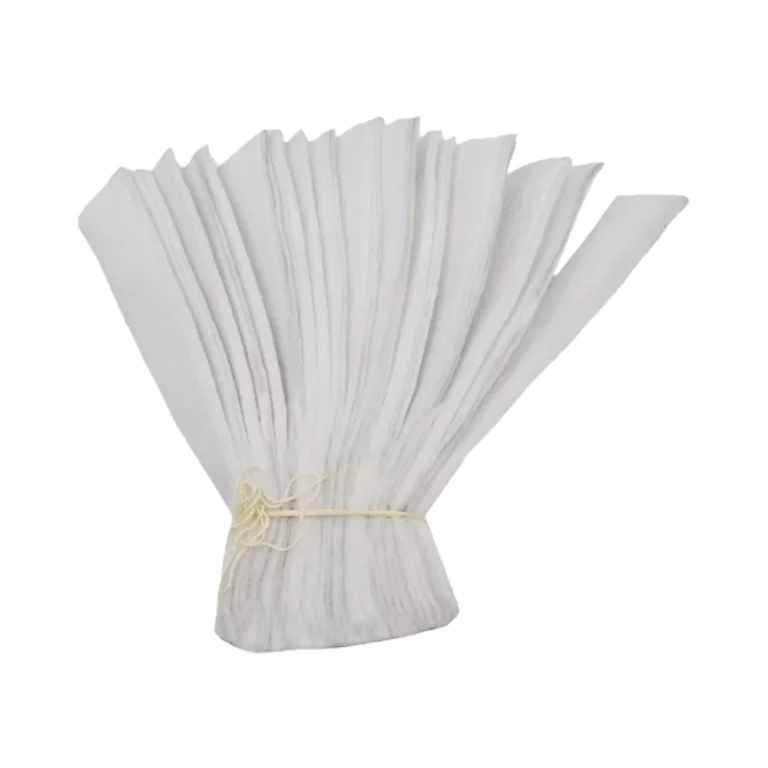
Kevlar felt is a high-performance industrial felt material made from para-aramid fibers, offering excellent heat resistance, high strength, abrasion resistance, and dimensional stability. It is widely used in demanding applications where conventional felt materials cannot withstand continuous mechanical stress or elevated temperatures.
Unlike general-purpose felt, Kevlar felt is engineered for industries that require reliable protection, durability, and thermal performance, including aluminium extrusion, heat-resistant conveyor systems, composite manufacturing, and industrial protection applications.
What Is Kevlar Felt?
Kevlar felt is a type of technical felt produced from Kevlar® aramid fibers, a high-performance synthetic fiber known for its exceptional strength-to-weight ratio and thermal stability.
Kevlar belongs to the para-aramid fiber family. Its molecular structure provides outstanding mechanical properties, allowing Kevlar felt to maintain performance under conditions involving:
- High temperatures
- Continuous friction
- Mechanical pressure
- Repeated operation
Unlike traditional wool felt or polyester felt, Kevlar felt is designed for industrial environments where durability and heat resistance are critical.
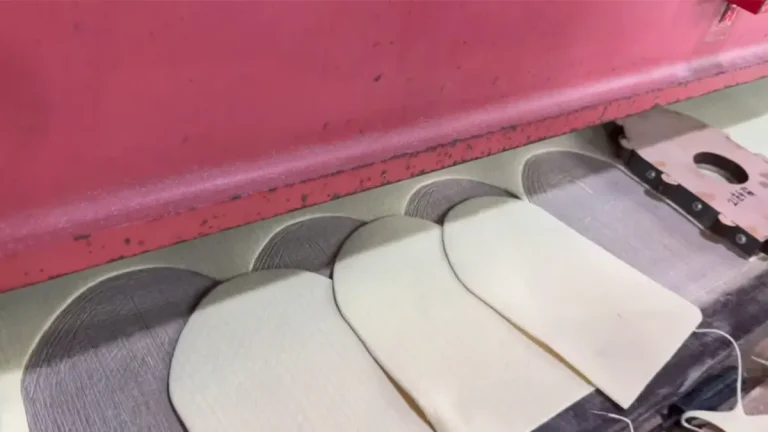
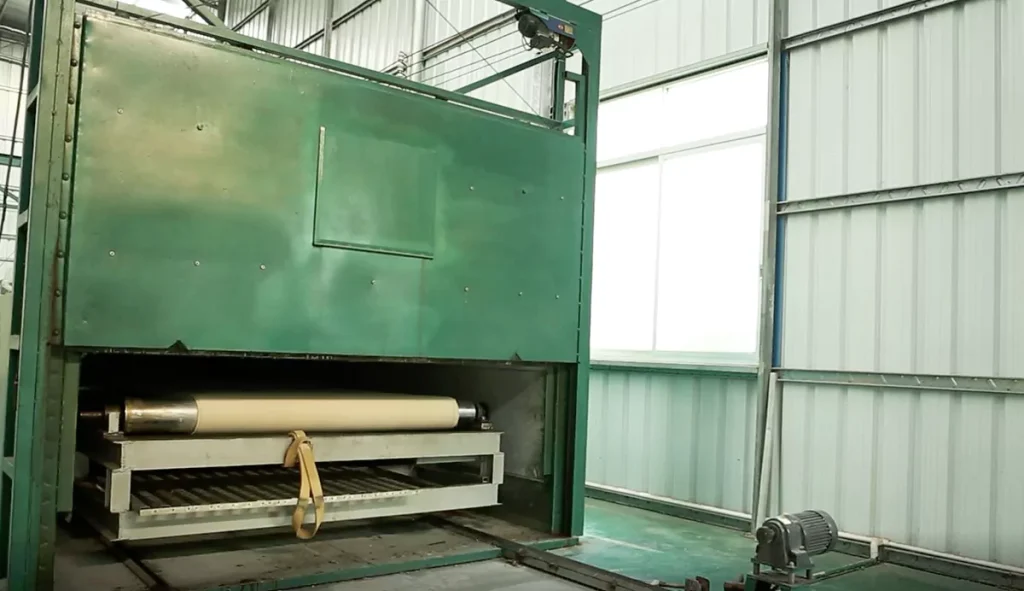
The final felt structure is usually created through a needle-punching process, where Kevlar fibers are mechanically interlocked to form a dense, stable material.
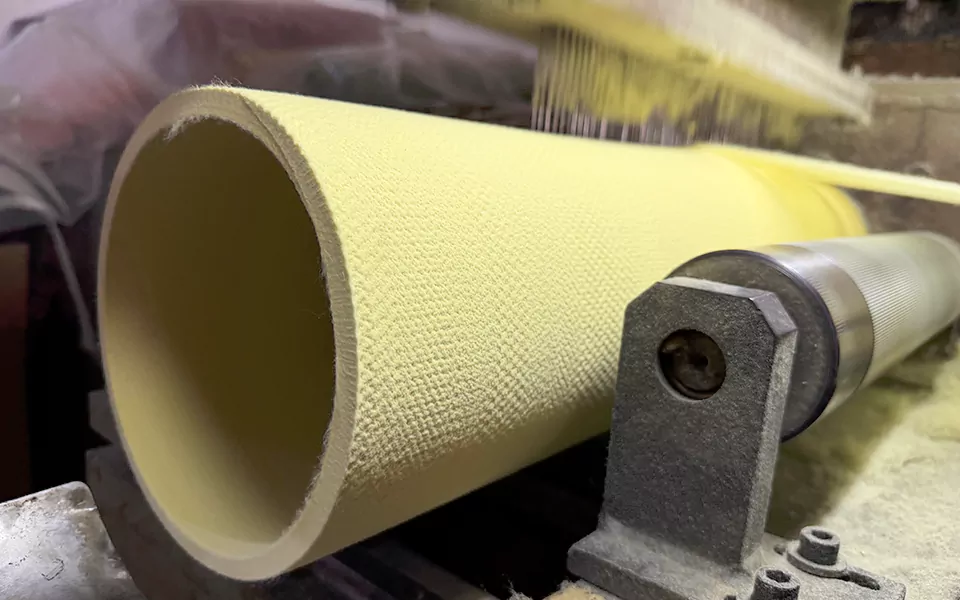
How Is Kevlar Felt Made?
The manufacturing process of Kevlar felt directly affects its strength, density, and performance.
A typical production process includes several key stages:
1. Fiber Preparation
The process begins with preparing Kevlar aramid fibers.
The fibers are opened and arranged to ensure uniform distribution, which helps create consistent felt performance.
2. Carding
During carding, Kevlar fibers are aligned and formed into a continuous fiber web.
This step controls:
- Fiber orientation
- Material uniformity
- Felt thickness consistency
A well-prepared fiber structure is essential for producing durable industrial felt.
3. Needle Punching
Needle punching mechanically entangles the Kevlar fibers to create a strong felt structure.
This process improves:
- Tensile strength
- Wear resistance
- Structural stability
The density of the needle-punched structure can be adjusted according to different application requirements.
4. Heat Setting and Finishing
After needle punching, the felt may undergo heat setting and finishing processes to improve:
- Dimensional stability
- Surface consistency
- Long-term durability
The finished Kevlar felt can then be converted into different industrial products according to customer requirements.
Key Properties of Kevlar Felt
Kevlar felt is selected for industrial applications because of several important performance advantages.
1. Excellent Heat Resistance
One of the main advantages of Kevlar felt is its ability to perform in high-temperature environments.
Kevlar fibers maintain their mechanical properties better than many conventional synthetic materials when exposed to heat.
This makes Kevlar felt suitable for applications involving:
- Hot material handling
- Heat protection
- Industrial insulation
- High-temperature conveying
In aluminium extrusion applications, Kevlar felt helps protect components and products during the transportation of hot aluminum profiles after extrusion.
2. High Mechanical Strength
Kevlar is recognized for its exceptional tensile strength.
When processed into felt, it provides a durable material structure capable of handling:
- Continuous loading
- Mechanical pressure
- Repeated contact
This strength helps extend service life in demanding industrial environments.
3. Superior Abrasion Resistance
Industrial materials often experience friction during operation.
Kevlar felt provides excellent abrasion resistance, helping reduce:
- Surface wear
- Material breakdown
- Frequent replacement
This property makes it especially valuable for conveyor systems and protective contact surfaces.
4. Dimensional Stability
In high-temperature environments, material deformation can affect production accuracy and equipment performance.
Kevlar felt maintains stable dimensions under heat and mechanical stress, helping ensure consistent operation.
This is particularly important for:
- Conveyor belts
- Rollers
- Industrial pads
5. Cut and Tear Resistance
The strong aramid fiber structure provides excellent resistance against cutting and tearing.
This makes Kevlar felt suitable for applications where the material needs to withstand sharp edges, heavy contact, or repeated handling.
Kevlar Felt Applications
Kevlar felt is used across multiple industries where heat resistance and durability are required.
However, the most suitable application depends on the working temperature, mechanical stress, and surface requirements.
1. Kevlar Felt for Aluminium Extrusion
Aluminium extrusion is one of the most demanding applications for heat-resistant felt materials.
After leaving the extrusion die, aluminum profiles remain at high temperatures and require careful handling to avoid:
- Surface scratches
- Pressure marks
- Deformation
- Production defects
Kevlar felt products are used in extrusion lines because they provide:
- Heat-resistant contact surfaces
- Stable transportation support
- Reduced surface damage
- Improved production reliability
Common Kevlar felt products used in aluminium extrusion include:
Kevlar felt belts provide continuous support and transportation for aluminum profiles.
They help manufacturers maintain stable conveying performance while reducing surface damage caused by direct contact with harder materials.
Kevlar felt rollers provide soft contact during profile transportation.
They are suitable for applications requiring:
- Smooth movement
- Surface protection
- Heat resistance
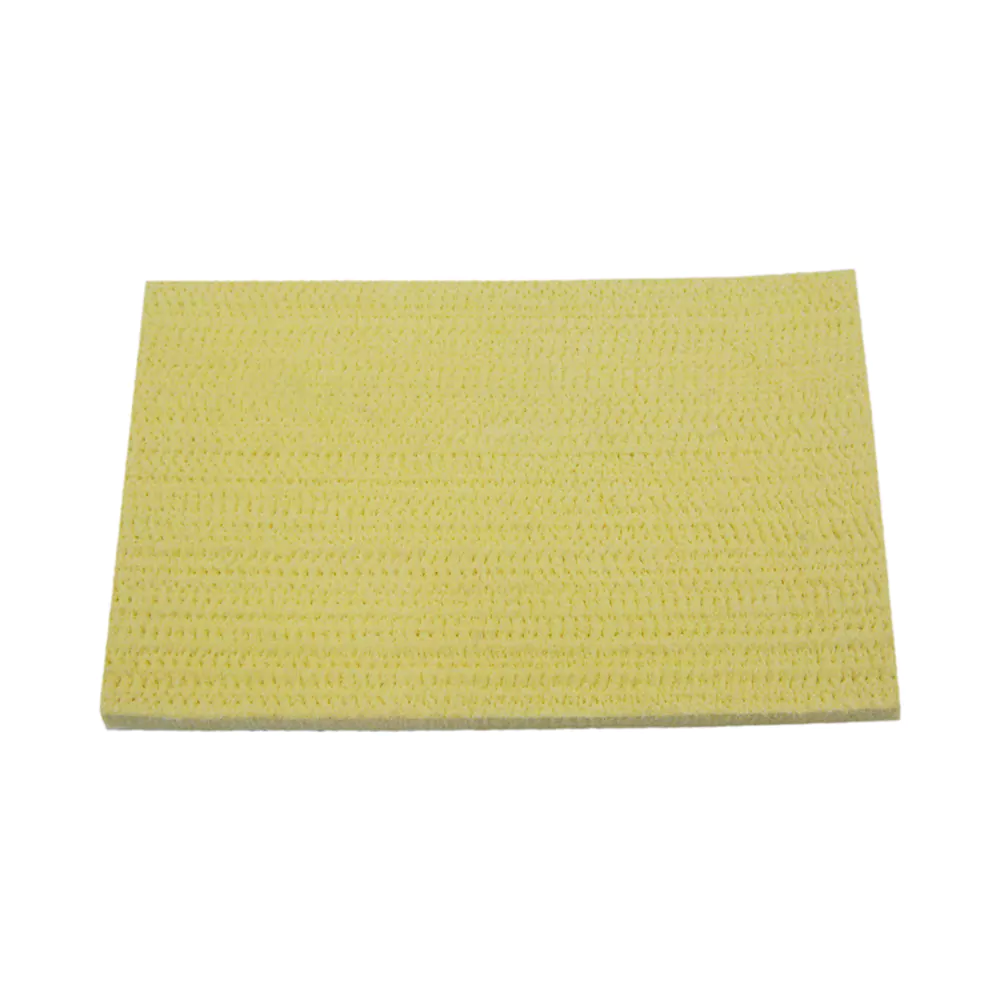
Kevlar felt pads are commonly used as protective and cushioning components.
They help reduce:
- Impact marks
- Heat transfer
- Surface contamination
2. Heat-Resistant Conveyor Systems
Kevlar felt is widely used in industrial conveyor applications where standard materials cannot withstand heat and friction.
Typical applications include:
- Metal processing
- Heat treatment processes
- Manufacturing lines
- High-temperature material handling
The combination of strength and thermal stability makes Kevlar felt suitable for continuous operation.
3. Composite Manufacturing
Kevlar felt is also used in composite applications where reinforcement and protection are required.
Its lightweight structure and high mechanical performance make it useful for:
- Composite reinforcement
- Protective layers
- Structural applications
4. Industrial Protection Applications
Due to its heat resistance and durability, Kevlar felt can be used for protective applications such as:
- Heat shields
- Protective covers
- Insulation layers
- Industrial protection pads
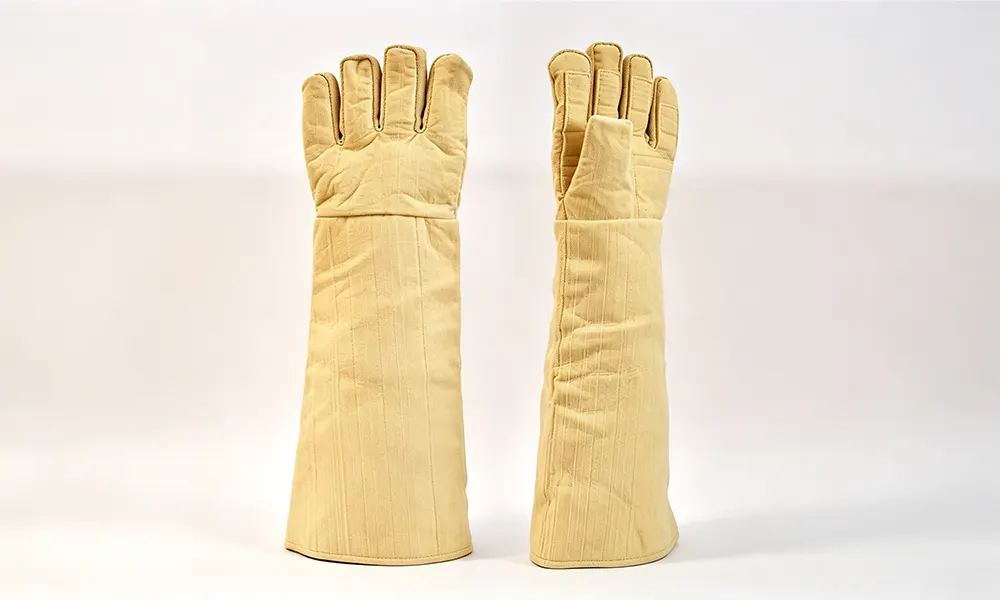
- Heat resistant kevlar gloves
Kevlar Felt vs PBO Felt vs Nomex Felt
Different industrial environments require different felt materials. Choosing the correct fiber depends on temperature, friction, and application requirements.
| Material | Main Advantages | Typical Applications |
|---|---|---|
| PBO Felt | Extreme heat resistance and high-temperature performance | Die exit protection, extreme aluminium extrusion applications |
| Kevlar Felt | High strength, abrasion resistance, and heat resistance | Conveyor belts, rollers, industrial protection |
| Nomex Felt | Balanced heat resistance and cost efficiency | Medium-temperature industrial applications |
| Polyester Felt | Economical and versatile | General-purpose applications |
Kevlar felt is often selected when the application requires a balance between:
- Heat resistance
- Mechanical strength
- Wear resistance
For environments with extremely high temperatures, PBO felt may provide better performance.
How to Choose the Right Kevlar Felt Product?
Selecting the correct Kevlar felt depends on several factors.
1. Operating Temperature
Temperature is one of the most important considerations.
You should evaluate:
- Actual contact temperature
- Continuous operating temperature
- Heat exposure duration
A material suitable for short-term heat exposure may not be suitable for continuous high-temperature operation.
2. Mechanical Stress
Consider how the felt will be used:
- Is it under tension?
- Does it experience repeated friction?
- Does it support heavy products?
Applications with higher mechanical stress require stronger felt structures.
3. Surface Protection Requirements
For industries such as aluminium extrusion, surface quality is critical.
The felt material should provide:
- Smooth contact
- Low marking risk
- Stable performance
4. Product Design Requirements
Industrial Kevlar felt can be customized according to:
- Thickness
- Width
- Length
- Density
- Belt structure
- Roller dimensions
A customized solution ensures better compatibility with existing equipment.
Why Choose Calm for Kevlar Felt Solutions?
With decades of experience in industrial felt manufacturing, Calm focuses on developing high-performance felt solutions for demanding manufacturing environments.
Rather than simply supplying felt materials, Calm helps customers select the right solution based on:
- Working temperature
- Production requirements
- Equipment design
- Surface protection needs
Our industrial felt products include:
- Kevlar felt belts
- Kevlar felt rollers
- Felt pads
- Heat-resistant conveyor solutions
By combining high-performance fibers with advanced manufacturing processes, Calm provides durable felt solutions designed for continuous industrial operation.
Manufacturing Capability for Reliable Kevlar Felt Products
Producing reliable Kevlar felt requires precise manufacturing control.
Calm applies professional production processes including:
Carding
Creates a uniform fiber structure for consistent material performance.
Needle Punching
Forms a dense felt structure with improved strength and durability.
Heat Setting
Enhances dimensional stability for long-term industrial use.
Precision Cutting and Assembly
Allows customized production according to different equipment requirements.
FAQs
Kevlar felt is used for high-temperature and high-strength applications, including aluminium extrusion, heat-resistant conveyor systems, industrial protection, and composite manufacturing.
Kevlar felt provides excellent heat resistance, but the actual operating temperature depends on the product structure, exposure time, and application conditions.
Yes. Kevlar felt provides significantly higher strength, abrasion resistance, and thermal stability compared with conventional wool or polyester felt.
Kevlar felt generally provides higher mechanical strength and abrasion resistance, while Nomex felt is often chosen for balanced heat resistance and cost efficiency.
Yes. Kevlar felt is commonly used in aluminium extrusion applications where manufacturers require heat resistance, surface protection, and durable material handling solutions.
Conclusion
Kevlar felt is a high-performance industrial material designed for applications where traditional felt cannot provide sufficient durability, strength, or heat resistance.
From aluminium extrusion lines to heat-resistant conveyor systems, Kevlar felt helps manufacturers improve product protection, reduce wear, and maintain stable production performance.
For industrial applications requiring reliable performance under heat and friction, choosing the right Kevlar felt solution can significantly improve equipment efficiency and product quality.
Calm provides customized Kevlar felt solutions for demanding industrial applications. Contact us at [email protected] to discuss your requirements and find the right material solution.