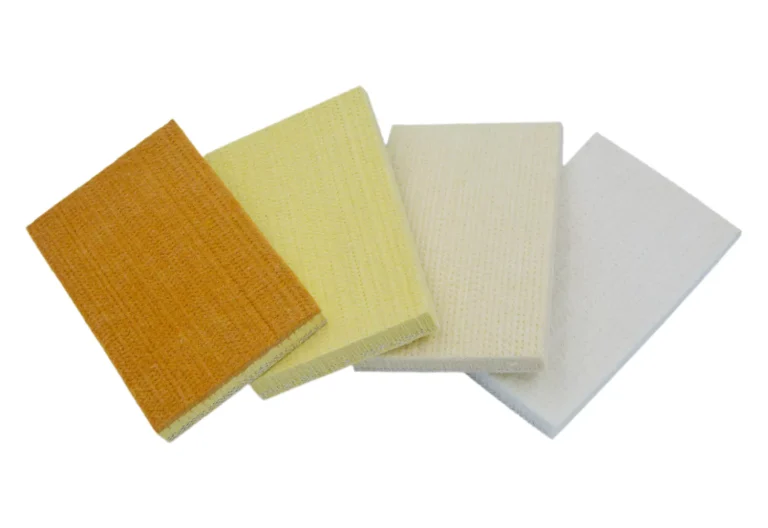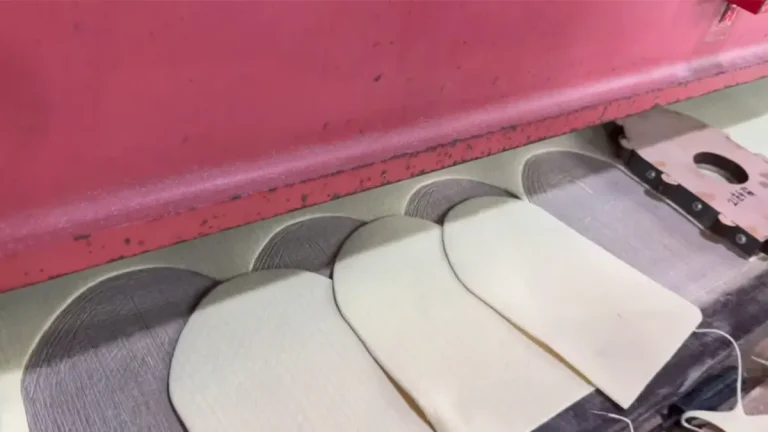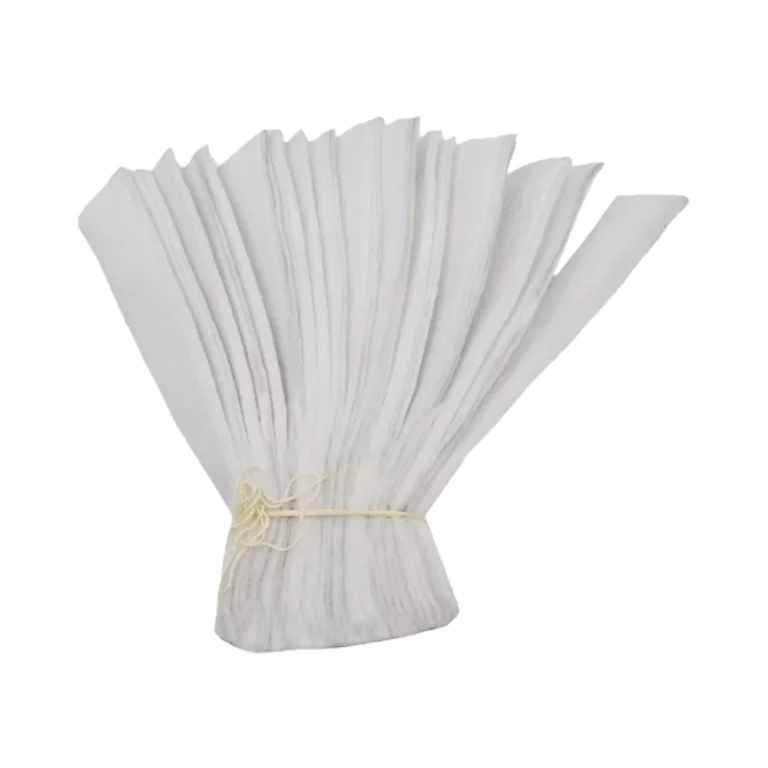
Nomex felt is a high-performance industrial felt made from Nomex® aramid fibers, known for its inherent flame resistance, thermal stability, and durability in demanding environments. Unlike conventional felt materials, Nomex felt maintains reliable performance when exposed to heat, friction, and continuous industrial operation, making it widely used in applications such as thermal protection, industrial insulation, metal processing, and high-temperature handling systems.
What Is Nomex Felt?
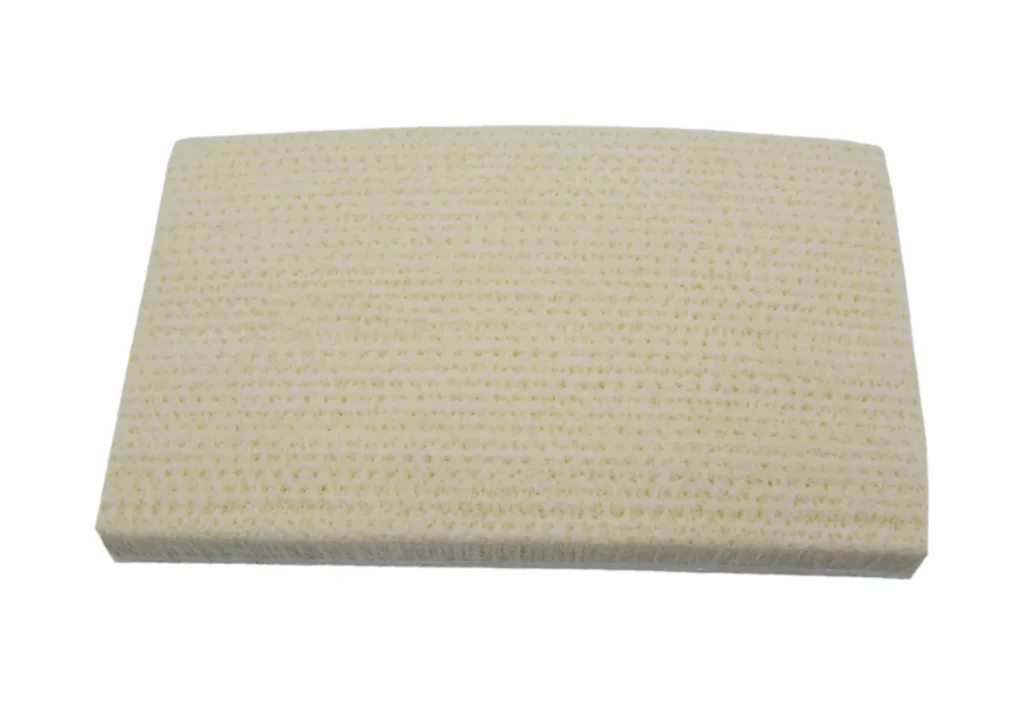
Nomex felt is a type of industrial felt manufactured from Nomex® fibers, a meta-aramid material developed for applications requiring excellent thermal protection and long-term stability.
Unlike traditional felt made from wool or general synthetic fibers, Nomex felt is engineered to perform under challenging conditions where heat resistance, flame protection, and material reliability are essential.
During manufacturing, Nomex fibers are processed through methods such as carding and needle punching to form a dense felt structure. The final material combines the inherent properties of Nomex fibers with the flexibility and adaptability of industrial felt.
Depending on the manufacturing process and application requirements, Nomex felt can be produced in different forms, including:
- Nomex felt sheets
- Nomex felt pads
- Nomex felt strips
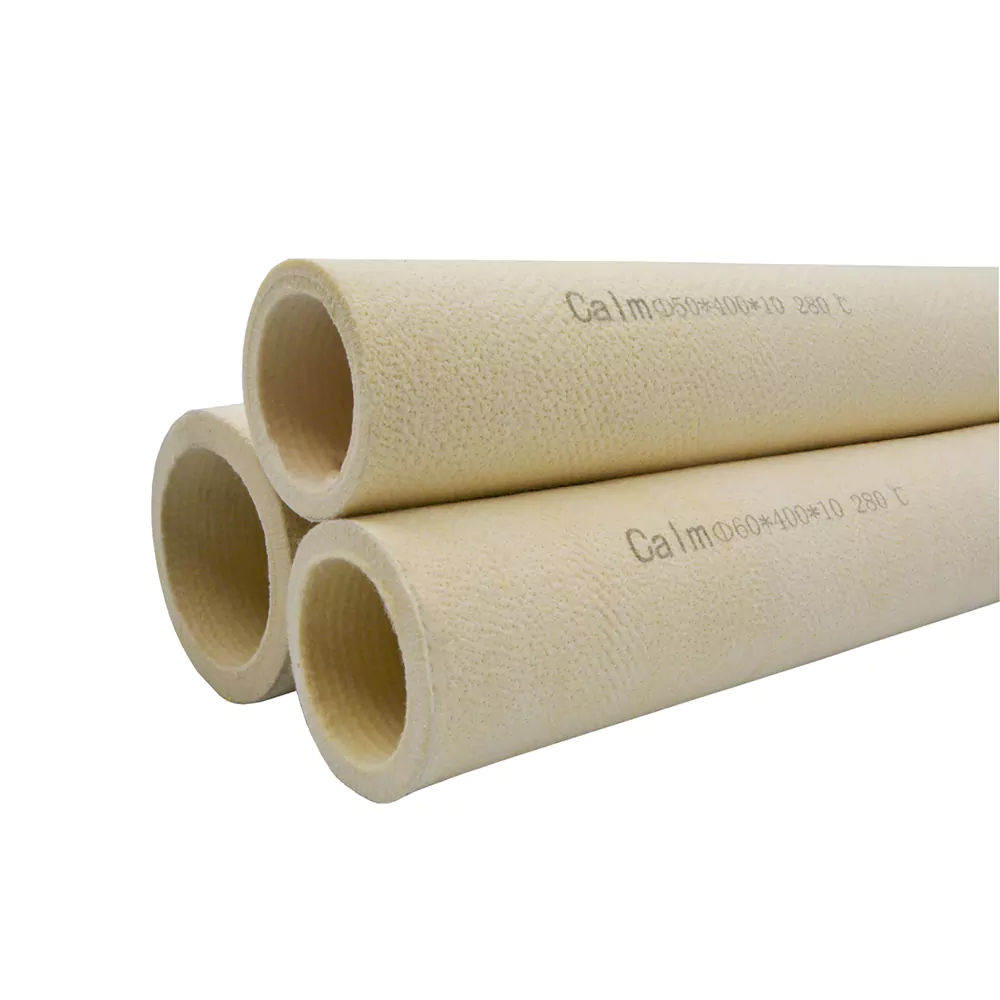
- Nomex felt sleeves
- Custom-shaped felt components
These different forms allow Nomex felt to be adapted for various industrial applications.
How Is Nomex Felt Different from Ordinary Felt?
The main difference between Nomex felt and conventional felt materials lies in their performance under heat and demanding operating conditions.
Traditional felt materials may provide cushioning, insulation, or surface protection in general applications, but they often lose strength or stability when exposed to high temperatures.
Nomex felt is designed specifically for environments where thermal performance is critical.
| Property | Conventional Felt | Nomex Felt |
|---|---|---|
| Heat resistance | Limited | Excellent thermal stability |
| Flame resistance | Usually requires treatment | Inherent flame resistance |
| Dimensional stability | May shrink under heat | Maintains structure under thermal stress |
| Industrial durability | Suitable for general applications | Designed for demanding environments |
| High-temperature protection | Limited | Reliable protection performance |
Because of these advantages, Nomex felt is commonly selected when material failure caused by heat exposure could affect production efficiency, equipment protection, or product quality.
Key Properties of Nomex Felt
1. Inherent Flame Resistance
One of the most important characteristics of Nomex felt is its inherent flame resistance.
Unlike materials that rely on surface coatings or chemical treatments, Nomex fibers have flame-resistant properties built into their molecular structure.
This allows Nomex felt to:
- Resist ignition
- Reduce flame spread
- Provide thermal protection in high-risk environments
This property makes Nomex felt widely used in industries where fire safety and heat exposure are important considerations.
2. Excellent Thermal Stability
Nomex felt is designed to maintain its performance in elevated-temperature environments.
When exposed to heat, many conventional materials may soften, shrink, or lose their mechanical properties. Nomex felt, however, provides better structural stability under thermal stress.
This makes it suitable for applications involving:
- Continuous heat exposure
- Hot material handling
- Thermal barriers
- High-temperature production environments
3. Dimensional Stability
Industrial applications often require materials to maintain consistent dimensions during long-term operation.
Nomex felt provides good dimensional stability, helping reduce problems caused by:
- Heat-related deformation
- Shrinkage
- Material distortion
This is especially important for precision applications where the felt component must maintain a consistent position and thickness.
4. Chemical Resistance
Industrial environments may involve exposure to oils, solvents, and other chemicals.
Nomex fibers provide resistance against many common industrial chemicals, helping improve service life and reliability in challenging working conditions.
5. Durability and Wear Resistance
Although Nomex felt is mainly recognized for thermal protection, it also provides good mechanical durability.
Its dense felt structure allows it to withstand:
- Repeated contact
- Mechanical pressure
- Continuous operation
This makes Nomex felt suitable for protective and supporting components used in industrial equipment.
Types of Nomex Felt Products
Nomex felt can be manufactured into different shapes and structures depending on the application requirements.
1. Nomex Felt Sheets
Nomex felt sheets are flat felt materials commonly used for:
- Thermal insulation layers
- Protective barriers
- Equipment lining
- Heat shielding applications
They can be cut into different sizes and shapes according to specific requirements.
2. Nomex Felt Pads
Nomex felt pads are designed for applications requiring heat-resistant cushioning and surface protection.
They are commonly used where materials need protection from:
- Heat transfer
- Surface scratches
- Mechanical impact
Nomex felt pads are widely used in industrial handling systems, metal processing, and high-temperature equipment.
3. Nomex Felt Strips
Nomex felt strips provide flexible protection and support in applications requiring narrow or customized felt components.
Typical uses include:
- Protective contact surfaces
- Sealing applications
- Heat-resistant support components
4. Nomex Felt Sleeves
Nomex felt sleeves are designed to provide thermal protection around specific components.
They are commonly used in applications requiring:
- Heat insulation
- Surface protection
- Controlled contact between materials
For example, in aluminium processing, Nomex felt sleeves can help protect profiles and equipment components during high-temperature handling.
Common Applications of Nomex Felt
Due to its combination of heat resistance, flame resistance, and durability, Nomex felt is used across multiple industries.
1. Aluminium Extrusion Applications
Aluminium extrusion is one of the important applications where Nomex felt provides value.
During extrusion, aluminium profiles leave the die at elevated temperatures and require careful handling to avoid surface damage and production issues.
Nomex felt can be used in:
- Protective pads
- Spacer sleeves
- Handling components
- Heat-resistant contact surfaces
Its soft surface helps reduce scratches, while its thermal stability allows it to perform in hot processing environments.
2. Heat-Resistant Conveyor Systems
Nomex felt is commonly used in conveyor applications where materials are transported under high-temperature conditions.
Compared with ordinary conveyor materials, Nomex felt provides better resistance against thermal degradation and helps maintain stable operation.
Applications include:
- Metal processing lines
- Hot material transportation
- Industrial production systems
3. Industrial Thermal Protection
Nomex felt is also used as a thermal protection material in various industrial environments.
Typical applications include:
- Heat shields
- Thermal insulation layers
- Protective covers
- High-temperature equipment protection
Its combination of flexibility and thermal performance makes it suitable for customized industrial solutions.
4. Aerospace and Protective Applications
Nomex is widely recognized for its use in aerospace and protective equipment due to its flame resistance and thermal protection capabilities.
Nomex felt can be used in applications where lightweight and reliable thermal protection materials are required.
Nomex Felt vs Kevlar Felt vs PBO Felt: Understanding the Differences
Nomex felt, Kevlar felt, and PBO felt are all high-performance industrial felt materials, but they are designed for different working conditions. Choosing the right material depends on the application requirements, including temperature exposure, mechanical stress, wear conditions, and expected service life.
A common mistake is selecting a felt material only based on heat resistance. In industrial applications, factors such as friction, pressure, surface protection, and operating environment are equally important.
| Material | Main Characteristics | Best Suited Applications |
|---|---|---|
| Nomex Felt | Excellent flame resistance, thermal stability, and balanced durability | High-temperature protection, thermal insulation, aluminium processing, industrial applications |
| Kevlar Felt | High tensile strength, excellent abrasion resistance, and mechanical durability | Applications involving friction, impact, and repeated mechanical stress |
| PBO Felt | Extremely high temperature resistance and outstanding thermal performance | Extreme heat environments, such as high-temperature aluminium extrusion applications |
When Should You Choose Nomex Felt?
Nomex felt is usually the right choice when the main challenge is continuous heat exposure combined with the need for reliable material stability.
It is especially suitable for applications requiring:
- Long-term thermal performance
- Flame resistance
- Stable dimensions under heat
- Soft contact protection
- Reliable industrial operation
For applications where mechanical abrasion is the primary concern, Kevlar felt may be more suitable. For extreme temperature conditions beyond the capability of conventional heat-resistant materials, PBO felt may provide better performance.
How to Choose the Right Nomex Felt?
Selecting Nomex felt requires understanding the actual operating conditions rather than choosing only based on material type.
Several factors should be considered before selecting a Nomex felt solution.
1. Operating Temperature
Temperature is the first factor to evaluate.
Consider:
- Continuous working temperature
- Peak temperature exposure
- Contact time with hot materials
- Heat transfer conditions
A Nomex felt product used for short-term heat exposure may require a different structure compared with one operating continuously under elevated temperatures.
2. Felt Thickness and Density
The thickness and density of Nomex felt directly influence its performance.
A thicker felt layer may provide:
- Better thermal insulation
- Improved cushioning
- Higher protection capability
A denser structure may provide:
- Better durability
- Improved wear resistance
- Longer service life
The optimal choice depends on the application requirements.
3. Contact Conditions
The working environment determines how the felt will perform.
Important questions include:
- Is the felt exposed to continuous friction?
- Does it contact moving materials?
- Does it need to protect a sensitive surface?
- Is compression resistance required?
For example, a protective pad and a conveyor felt belt may require different felt structures even if both use Nomex material.
4. Product Structure and Customization Requirements
Industrial applications often require customized felt components rather than standard sheets.
Nomex felt can be customized into different forms, including:
- Felt pads
- Felt strips
- Felt sleeves
- Felt rollers
- Conveyor felt belts
Customization options may include:
- Thickness
- Width
- Length
- Density
- Shape
- Sewing structure
A properly designed felt component can improve equipment compatibility and overall performance.
Manufacturing Process of High-Quality Nomex Felt
The performance of Nomex felt depends not only on the raw material but also on the manufacturing process.
A controlled production process helps achieve consistent quality, density, and dimensional stability.
Fiber Preparation
High-quality Nomex fibers are carefully prepared before production.
This stage ensures:
- Uniform fiber distribution
- Stable material structure
- Consistent product performance
Carding
During carding, Nomex fibers are opened and arranged into a continuous fiber web.
This process influences:
- Felt thickness
- Fiber orientation
- Material uniformity
Needle Punching
Needle punching mechanically interlocks the fibers to form the felt structure.
This improves:
- Strength
- Density
- Structural stability
The needle punching process can be adjusted according to different application requirements.
Heat Setting
Heat setting helps improve the dimensional stability of the finished Nomex felt.
This allows the material to maintain its shape during long-term operation under changing temperatures.
Precision Cutting and Assembly
According to customer requirements, Nomex felt can be processed into different industrial components.
Precision manufacturing ensures:
- Accurate dimensions
- Better equipment compatibility
- Reliable application performance
FAQs About Nomex Felt
Nomex felt is made from Nomex® aramid fibers, a meta-aramid material known for its excellent flame resistance and thermal stability. These fibers are processed into a dense felt structure, allowing the material to provide reliable heat protection and durability in demanding industrial environments.
The main difference is its performance under heat and fire exposure. Unlike conventional wool or synthetic felt, Nomex felt has inherent flame resistance and maintains better dimensional stability when exposed to elevated temperatures, making it suitable for industrial applications where ordinary felt may fail.
Yes. Nomex felt is widely used in high-temperature environments because it can maintain its structure and performance under continuous heat exposure. However, the suitable temperature range depends on factors such as felt thickness, density, contact time, and actual working conditions.
Nomex felt and Kevlar felt are designed for different performance requirements. Nomex felt is generally preferred when flame resistance and thermal stability are the main concerns, while Kevlar felt is often selected for applications requiring higher mechanical strength and abrasion resistance.
The right Nomex felt depends on several factors, including operating temperature, material contact conditions, required thickness, density, and expected service life. For industrial applications, selecting the correct felt structure is often as important as choosing the fiber material itself.
Yes. Industrial Nomex felt can be customized into different forms, such as pads, strips, sleeves, and other components. Manufacturers can adjust dimensions, thickness, density, and structure according to specific equipment requirements.
Conclusion
Nomex felt is a high-performance industrial material that combines flame resistance, thermal stability, and durability. Its unique properties make it suitable for a wide range of applications, from industrial insulation and heat protection to aluminium processing and high-temperature handling systems.
Selecting the right Nomex felt requires considering the complete working environment, including temperature, mechanical stress, and application requirements.
With experience in industrial felt manufacturing, Calm provides customized Nomex felt solutions designed to help manufacturers improve protection, reliability, and production efficiency. For your specific application requirements, contact us at [email protected] to discuss the right felt solution.